New - Just Now




When you buy a home in Colorado, you do not automatically get the mineral rights. The Colorado contract (CBS1 section 8.8) warns that the surface and the minerals underneath can be owned separately, and that whoever owns or leases the oil, gas or minerals can have the right to enter and use the surface to reach them. You get a Mineral Rights Examination Deadline to check, and you can terminate if what you find is not acceptable. Here is how mineral rights and oil and gas activity work for home buyers near Denver, Erie, Frederick, Brighton and Greeley, and what to check before that deadline passes.
Call or text 303-955-4220. A live person answers. Not a robot, not a phone tree.
8.8 CBS1 section with the Oil, Gas, Water and Mineral Disclosure Colorado Real Estate Commission contract, mandatory since January 1, 2026 | 8.9 CBS1 section that lets you terminate over mineral rights By the Mineral Rights Examination Deadline (sec 3, line 30) |
500 ft Closest a new oil and gas pad can sit to a home Without owner and tenant consent (ECMC Rule 604, Nov 12, 2026) | 2,000 ft Zone where a new pad needs consent or a special finding Pads 500 to 2,000 feet from homes (ECMC Rule 604) |
Not by default. Colorado land can be split into two estates: the surface you live on and the mineral estate under it. CBS1 section 8.8.1, the Oil, Gas, Water and Mineral Disclosure, tells every buyer in capital letters that the surface estate can be owned separately from the minerals, that transferring the surface does not necessarily transfer the minerals or water rights, and that third parties can own or lease oil, gas, minerals, geothermal energy or water under the property. Those owners can hold the right to enter and use the surface to reach what they own. An earlier owner can reserve the minerals long before the homes go up, so ask the question on every home, new or old.
| CBS1 section | What it says | What you do |
|---|---|---|
| 2.7 Water Rights/Well Rights | Lists deeded water rights, a well, and water stock that transfer at closing | Write in any water right or well you are buying |
| 3 (line 30) | Sets the Mineral Rights Examination Deadline | Pick a date that leaves time to read the title documents |
| 8.8.1 to 8.8.4 | Disclosure: minerals and surface can be split; drilling, wells and gathering lines can happen on or next to the property | Read it, then look up the area on the ECMC map |
| 8.8.2 Surface Use Agreement | Access to the minerals can be governed by a surface use agreement recorded with the county clerk | Ask the title company for any recorded agreement or memorandum |
| 8.8.5 Title exclusions | Mineral matters can be excepted from the owner title policy | Read the exceptions in your title commitment |
| 8.9 Mineral Rights Review | You can terminate if the mineral rights review is unsatisfactory, on or before the deadline | Send a written Notice to Terminate in time, or move ahead |
| 19 Legal counsel | Brokers recommend an attorney when mineral or water rights are included or excluded | Hire a Colorado real estate attorney for anything unusual |
The surface is what you see. The minerals are what you do not. In Colorado, buying one does not mean you bought the other.
The Colorado Energy and Carbon Management Commission (ECMC), the state agency that permits oil and gas, sets the distances in Rule 604. Under the rules as of November 12, 2026, no new working pad surface goes less than 500 feet from a home unless every owner and tenant signs a surface use agreement or waiver with informed consent. Between 500 and 2,000 feet, a new pad is allowed only if the nearby owners and tenants agree, the site sits inside an approved area plan, all wells, tanks and compressors stay more than 2,000 feet away, or the Commission finds after a hearing that the plan gives equal protection. A well itself must sit at least 200 feet from buildings when it is drilled.
ECMC distance rules for new oil and gas sites near homes, in feet (Rule 604, November 12, 2026)
1 | Open the ECMC Interactive Map The ECMC map shows the location of oil and gas facilities and sites pending approval. Type in the address and look at what sits within a half mile. |
2 | Read the title commitment Look for mineral reservations, oil and gas leases, surface use agreements and right-of-way documents in the exceptions. Pair it with our ILC vs. land survey guide. |
3 | Ask the seller and the HOA Ask whether the seller owns any minerals, receives royalty checks, or got notice of a drilling plan. Ask the HOA about any surface use agreement for the neighborhood. |
4 | Set the Mineral Rights Examination Deadline Put it early enough to read everything, alongside your inspection objection deadlines. |
5 | Decide before the deadline Move ahead, negotiate, or send a written Notice to Terminate. Read earnest money in Colorado to see how a timely termination protects your deposit. |
Yes, if you live close enough. Under ECMC Rule 303, once the state finds an Oil and Gas Development Plan complete, the operator has 7 days to send notice to mineral owners and to surface owners, home owners, tenants and residents within 1/2 mile of any working pad surface in the plan. The plan is posted on the ECMC website with a public comment period of 30, 45 or 60 days, depending on how close the sites are to homes. The ECMC home page posts these notices, and you can sign up for its newsletter.
| Right | What it covers | How it moves at closing |
|---|---|---|
| Surface rights | The land and the house you live in | The deed from the seller |
| Mineral rights | Oil, gas and other minerals under the land | Only if the seller owns them and the contract and deed include them |
| Water rights and wells | Deeded water rights, a domestic well, water stock | Listed in CBS1 2.7; a well needs a Change in Ownership form |
Rural homes with a well or septic system add a second check: read wells and septic systems before you write an offer.
Buyers. Mineral rights matter most in the northern Front Range suburbs and on acreage. Check the ECMC map, read the title exceptions, and set a real Mineral Rights Examination Deadline. Browse Erie homes, Frederick homes, Firestone homes and Brighton homes with that list in hand.
Sellers. If you own minerals or receive royalties, say so up front and decide whether they go with the house. Write it into the contract so the title company knows. Start with a home value estimate and our cost to sell a house in Colorado guide.
New construction buyers. An earlier landowner or the developer can reserve the minerals before the lots are platted. Ask the builder for the title commitment early, and read Colorado HOA laws 2026 for the HOA side.
What to watch out for (what not to do)
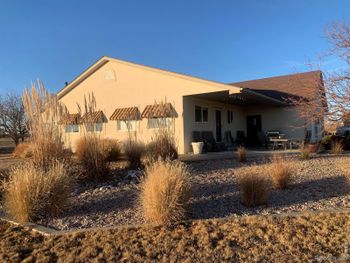
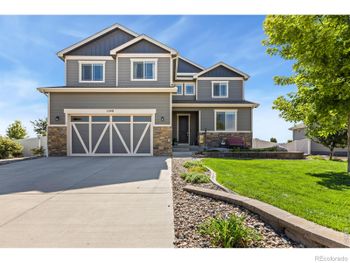
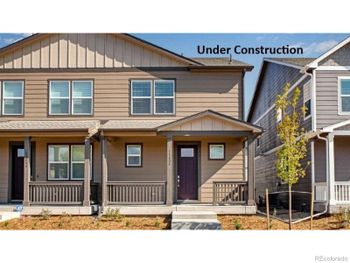
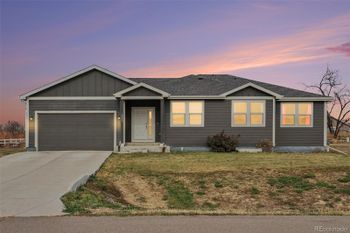
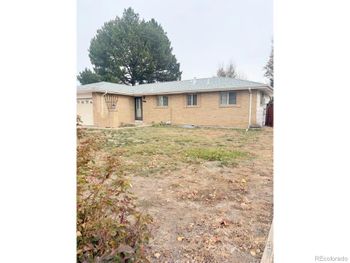
These Weld County homes, just listed, are pulled live from the MLS every time you open this page.


Not by default. CBS1 section 8.8 says the surface and the minerals can be owned separately and that transferring the surface does not necessarily transfer the minerals. You get them only if the seller owns them and the contract and deed include them.
It is a date in section 3 of the Colorado CBS1 contract. Under section 8.9 you can terminate if your review of the mineral rights is unsatisfactory, but only by written notice on or before that deadline.
Under ECMC Rule 604 as of November 12, 2026, a new working pad surface cannot sit less than 500 feet from a home without owner and tenant consent, and a pad 500 to 2,000 feet away needs consent, an approved plan, equipment kept beyond 2,000 feet, or a Commission finding.
Use the ECMC Interactive Map from the Colorado Energy and Carbon Management Commission. It shows oil and gas facilities and sites pending approval. Then read the title commitment for leases and surface use agreements.
It is an agreement that governs how a mineral owner or operator uses the surface to reach oil, gas or minerals. CBS1 section 8.8.2 says a memorandum or notice of it can be recorded with the county clerk and recorder.
Call The Kenna Group at Keller Williams DTC at 303-955-4220. A live person answers. Our brokers check mineral and water rights deadlines on homes in Erie, Frederick, Firestone and Brighton.
The Kenna Group at Keller Williams DTC helps buyers in Greeley, Brighton, Windsor and the rest of the northern Front Range check wells, water rights and mineral rights before the deadlines. Call 303-955-4220.
Call or text 303-955-4220. A live person answers. Not a robot, not a phone tree.
Colorado mineral rights disclosure: this guide to mineral rights, the mineral estate, oil and gas rights, surface use agreements, water rights, the Oil, Gas, Water and Mineral Disclosure, the Mineral Rights Examination Deadline and oil and gas setbacks near Colorado homes summarizes the Colorado Real Estate Commission Contract to Buy and Sell Real Estate (Residential) adopted August 5, 2025 and the Colorado Energy and Carbon Management Commission rules (600 Series as of November 12, 2026; 300 Series as of April 30, 2025), read on November 24, 2026. Rules change; check the ECMC site for the current version. Your own contract, title commitment and recorded documents control your deal, and an owner title policy can except mineral matters. This is general real estate information for Denver, Erie, Frederick, Firestone, Brighton, Broomfield, Thornton, Greeley, Windsor, Fort Collins, Longmont, Aurora and Colorado Springs home buyers and sellers from The Kenna Group at Keller Williams DTC (Keller Williams Realty DTC, LLC). It is not legal, title or tax advice; for mineral or water rights, talk to a Colorado real estate attorney.
Brian Lee Burke, the hardest working man in real estate
The Kenna Group at Keller Williams DTC. Helping You With Your Pad™. Licensed since 2003.
The Kenna Group is a real estate group with Keller Williams Realty DTC, LLC (Keller Williams DTC), serving Denver metro and Colorado home buyers and sellers.