New - 1 Day Ago
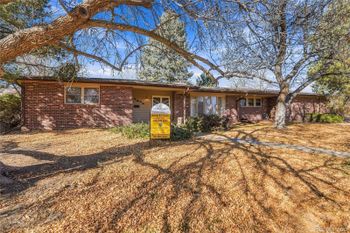
$736,000
Coming Soon
4
Beds
3
Baths
2472
Sqft
0.33
Acres
7215 S Platte Canyon Dr, Littleton, CO 80128
MLS#: 7653495



Meth testing in Colorado is the buyer's legal right: state law lets any buyer of a home test it for methamphetamine, and if a certified test shows contamination that was never cleaned up, the buyer can terminate the contract. A Colorado home is clean only when every sample is at or below 0.5 micrograms of meth per 100 square centimeters, and that standard covers homes where meth was smoked, not only old meth labs. Here is how meth testing works for Denver, Aurora, Lakewood and Littleton home buyers and sellers in 2026: who tests, what the numbers mean, what a seller has to disclose and how to check the state's list.
Call or text 303-955-4220. A live person answers. Not a robot, not a phone tree.
0.5 Micrograms per 100 cm²: the Colorado cleanup standard 6 CCR 1014-3, Part 1, section 7.1 | 0.2 Screening result that triggers more work Composite samples above 0.2 (section 3.6) |
5 years Time a cleaned home stays on the state list After the final certificate of compliance (CDPHE) | 3 years Time a buyer has to sue a seller who hid a meth lab After closing (C.R.S. 38-35.7-103) |
No. Colorado does not require a meth test on every sale. It gives the buyer the right to test. C.R.S. 38-35.7-103 says a buyer of residential real property has the right to test the property for meth, and the contract cannot limit that right or the right to cancel on the results. The 2026 Colorado Real Estate Commission contract repeats this in section 10.12, Methamphetamine Disclosure, and ties the termination to the buyer's Right to Terminate in section 24.1. The law covers houses, condos, townhomes, mobile homes and rental property.
Buyers order a meth test most when a home sat vacant, was a rental with heavy turnover, shows stains or odors the inspector flags, or sells as-is. A test adds a few days to your inspection period, so book it the day your offer is accepted.
The Colorado Board of Health rule, 6 CCR 1014-3, sets the numbers. Every sample in a living area must come in at or below 0.5 µg/100 cm². Attics, crawl spaces and wall cavities that are not living space or duct runs have a 4 µg/100 cm² limit, and painted-over surfaces have a 1.5 µg/100 cm² limit. When a buyer's screening uses composite samples and any result comes back above 0.2 µg/100 cm², the owner must either treat the home as meth-affected or run full clearance sampling.
Colorado meth numbers, micrograms per 100 square centimeters (6 CCR 1014-3)
For a buyer's test under the disclosure law, a certified industrial hygienist or industrial hygienist following the Board of Health rules. For a full assessment and the clearance after cleanup, a consultant certified by the Colorado Department of Public Health and Environment (CDPHE). Cleanup itself is done by a CDPHE-certified contractor. CDPHE posts a searchable list of certified firms and people and updates it every weekday morning, so check the name before you hire.
| Who | What they do | Rule |
|---|---|---|
| Buyer | Orders the test and sends the seller written notice of the results | C.R.S. 38-35.7-103(1) and (2)(a) |
| Industrial hygienist | Runs the buyer’s test to state standards | C.R.S. 38-35.7-103(2)(a) |
| Seller | Discloses a known meth lab in writing; can order a second test within 30 days of the buyer’s notice | C.R.S. 38-35.7-103(2)(b) and (3)(a) |
| Certified consultant | Assesses, samples and signs the certificate of compliance | 6 CCR 1014-3, section 8.8 |
| Certified contractor | Cleans the home to the 0.5 standard or removes materials | 6 CCR 1014-3, sections 5 and 7 |
| CDPHE | Keeps the certified list and the public meth-affected property list | C.R.S. 25-18.5-106 and 25-18.5-110 |
In Colorado, meth smoked in a home counts the same as meth cooked in it. Test before your deadline, not after closing.
Yes, when they know. C.R.S. 38-35.7-103 says the seller shall disclose in writing whether the seller knows the property was used as a meth lab. The 2026 contract goes further: section 10.12 says a seller who knows meth was ever manufactured, processed, cooked, disposed of, used or stored at the property must disclose it. A seller who hid a known meth lab is liable for the cleanup cost, health-related injuries to later residents and attorney fees, and the buyer has three years after closing to sue. The one exception: a seller who cleaned the home to state standards and received certificates of compliance does not have to disclose. Read our guide to disclosing property issues as a Colorado seller.
1 | Search the CDPHE list CDPHE keeps a public list of meth-affected residential properties discovered after August 7, 2023, reported by law enforcement or a certified consultant. A cleaned home stays on it for five years after the final certificate of compliance, unless it was demolished. |
2 | Ask the local health department For homes found before August 2023, CDPHE points buyers to the local health department, building department or law enforcement agency that handled the cleanup. |
3 | Read the seller’s disclosure Look for the meth question and ask for any certificates of compliance. Pair it with our inspection objection guide. |
4 | Order a certified test Hire a certified industrial hygienist inside your inspection window. Send the seller written notice of the results right away. |
5 | Decide: terminate, negotiate or buy and clean State law lets a buyer terminate on a failed test. A buyer can also buy and take on the cleanup by notifying CDPHE and the local governing body at closing and finishing the cleanup within 90 days after closing. |
The owner meets the cleanup standard or demolishes the home. C.R.S. 25-18.5-104 bars anyone except trained workers from entering until the certificates are issued. A certified contractor cleans, a certified consultant samples and signs the certificate of compliance, and the owner sends copies to the local governing body and CDPHE. That filing gives the owner immunity from health-based lawsuits by later owners, renters and neighbors. An owner who ignores the rules faces a public health nuisance order and penalties up to $15,000 per day per violation under C.R.S. 25-18.5-107. CDPHE says the same laws apply to vehicles.
Buyers. You hold the right to test, and the contract cannot take it away. Add a meth test to your inspection list on vacant, rental or as-is homes, and budget for it next to your Colorado closing costs. See why Colorado buyers never waive the inspection and how earnest money works in Colorado.
Sellers. If you know meth was in the home, disclose it or clean it with certified contractors and get the certificates of compliance. Hiding it can cost you the full cleanup bill plus attorney fees for three years after closing. Start with a home value estimate and read cost to sell a house in Colorado.
Landlords and renters. Colorado's warranty of habitability (C.R.S. 38-12-505) lists meth remediation: a rental used as a meth lab and never remediated counts as uninhabitable, and the tenant has a path to end the lease without penalty under C.R.S. 38-12-507. Landlords, read becoming a landlord in Colorado.
The Colorado market. Homes that sell as-is, foreclosures and long-vacant rentals are where buyers test most. If you shop those, see what happens after a failed inspection in Colorado and our radon testing guide for Denver homes, the other test Colorado buyers add.
What to watch out for (what not to do)
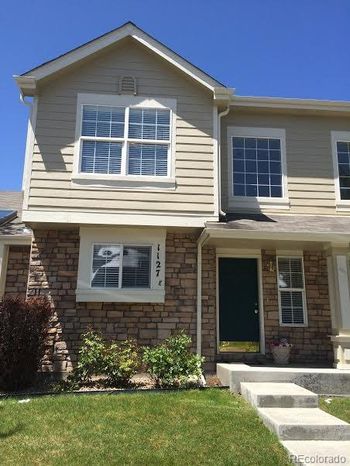
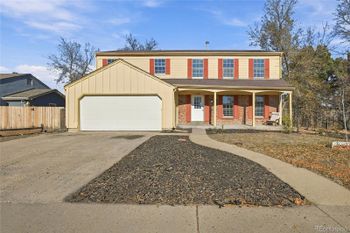
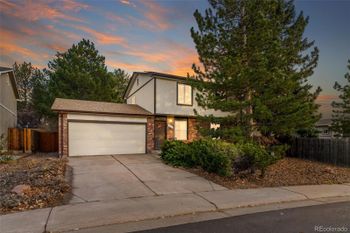
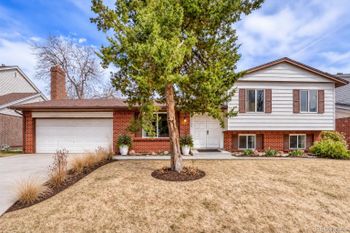
These Arapahoe County homes, from Aurora and Englewood to Littleton and Centennial, are pulled live from the MLS every time you open this page.

No. Colorado gives every home buyer the right to test for meth, and the contract cannot limit that right. If a certified test shows contamination that was never cleaned to state standards, the buyer can terminate the contract.
The Colorado cleanup standard is 0.5 micrograms of meth per 100 square centimeters in living areas, 4 in attics and crawl spaces and 1.5 on painted-over surfaces (6 CCR 1014-3). A composite screening result above 0.2 means more testing or treating the home as meth-affected.
Yes. The Colorado rule covers homes where meth was manufactured, processed, cooked, disposed of, used or stored, and CDPHE says contamination also happens when meth is smoked in a property.
Yes, when the seller knows. The seller discloses in writing, and a seller who hid a known meth lab is liable for cleanup costs, health-related injuries and attorney fees for three years after closing. A seller who cleaned the home and holds certificates of compliance does not have to disclose.
Search the CDPHE meth-affected residential property list, which covers homes found after August 7, 2023 and keeps them listed five years after cleanup. For older cases, ask the local health department, then order a certified test.
Use the CDPHE list of certified meth consultants, which updates every weekday morning, and hire a certified industrial hygienist for a buyer's test. The Kenna Group at Keller Williams DTC schedules the test inside your inspection window. Call 303-955-4220.
Yes. Colorado lets a buyer purchase a meth-affected home and take on the cleanup by notifying CDPHE and the local governing body at closing and finishing the cleanup within 90 days. The Kenna Group at Keller Williams DTC (Keller Williams Realty DTC, LLC) walks you through it. Call 303-955-4220.
Call or text 303-955-4220. A live person answers. Not a robot, not a phone tree.
Colorado meth testing disclosure: this guide to meth testing in Colorado homes, methamphetamine contamination, the Colorado meth cleanup standard of 0.5 micrograms per 100 square centimeters, the 0.2 screening level, the CDPHE meth-affected property list, the seller meth disclosure law (C.R.S. 38-35.7-103), the buyer right to test and terminate, certificates of compliance, and meth in Colorado rentals summarizes 6 CCR 1014-3, the 2026 Colorado Revised Statutes, Colorado Department of Public Health and Environment pages and the Colorado Real Estate Commission Contract to Buy and Sell Real Estate (Residential), all read on November 27, 2026. Your signed contract controls your deal; older contracts signed on earlier forms read differently. This is general real estate information for Denver, Aurora, Lakewood, Littleton, Englewood, Centennial, Commerce City, Thornton, Westminster, Arvada, Colorado Springs, Pueblo, Greeley and Fort Collins home buyers, sellers and landlords from The Kenna Group at Keller Williams DTC (Keller Williams Realty DTC, LLC). It is not legal, health, environmental or lending advice. Real estate brokers are not attorneys, hygienists or meth consultants: hire a state-certified consultant for testing and read your contract with your own attorney.
Brian Lee Burke, the hardest working man in real estate
The Kenna Group at Keller Williams DTC. Helping You With Your Pad™. Licensed since 2003.
The Kenna Group is a real estate group with Keller Williams Realty DTC, LLC (Keller Williams DTC), serving Denver metro and Colorado home buyers and sellers.