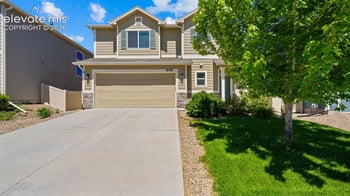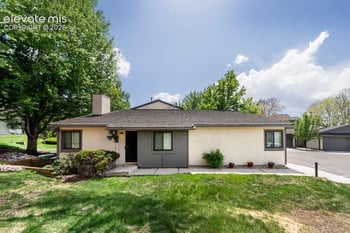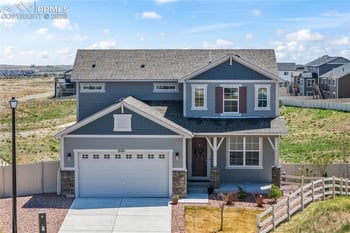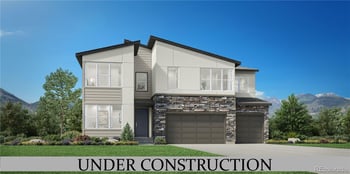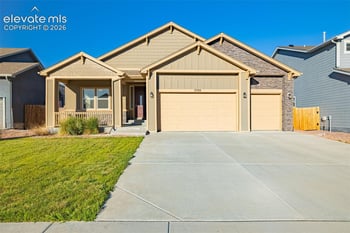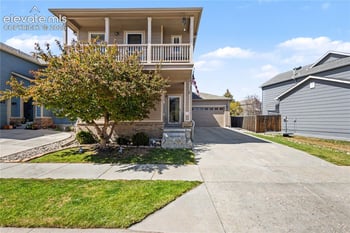
$450,000
Pending
4
Beds
4
Baths
2305
Sqft
0.1062
Acres
6450 Silverwind Cir, Colorado Springs, CO 80923
MLS#: 1731433
.jpg)



Modern design technology helps a Colorado home stay comfortable through 300 days of sun, winter humidity near 10 to 25 percent, and a wide day-to-night temperature swing at altitude. The tools below cover planning, airflow, and efficiency systems that matter most for Front Range homeowners and buyers.
Digital floor planning, airflow modeling, smart ventilation, and energy-efficient glazing all address problems specific to a high-altitude, low-humidity, high-UV climate. Denver, Aurora, Lakewood, Littleton, and Colorado Springs homes benefit most from tools that manage sun exposure and dry air rather than generic smart-home gadgets.
Digital planning software maps window placement, door locations, and room flow before construction starts, using 3D building information modeling to visualize how light and air move through the home. In Colorado, that means placing windows to capture winter sun for passive heating while avoiding excessive west-facing glass that overheats a room in July. Builders working with 3D BIM space planning services can model this before a wall goes up, which is far cheaper than fixing a glare or heat problem after the home is built.
UV intensity is higher at altitude than at sea level, so a home with unplanned south- or west-facing glass gets more heat gain and more fading of floors and furniture than an identical floor plan at lower elevation. Design software that models sun angles across the seasons helps place overhangs, shades, or tinted glazing where they matter most: on Colorado's west-facing rooms that catch the afternoon sun.
Indoor humidity in a Front Range home commonly drops to 10 to 25 percent once heat runs continuously from November through March. Airflow planning that positions supply and return vents correctly reduces the static, dry feel of winter heating and helps distribute humidity from a whole-home humidifier evenly instead of concentrating it near one register.
Mechanical ventilation systems rely on components like butterfly valves to regulate airflow precisely, which matters in a climate with both dry winters and smoke-season air quality concerns in late summer. A well-controlled system lets a homeowner shift between fresh-air ventilation and filtered recirculation during wildfire smoke days without losing comfort.
Large-format barn fans and power exhaust fans move significant air volume, which suits Colorado's dry climate where evaporative cooling and cross-ventilation work well for much of the year without full air conditioning. Because humidity stays low, moving air feels cooler here than the same airflow would in a humid climate, which is why many Front Range homes rely on fans and swamp coolers instead of central AC.
Colorado can swing 30 to 40 degrees between a sunny afternoon and a clear, cold night. Smart thermostats that respond to real-time conditions rather than a fixed schedule perform better here than in more temperature-stable climates, cutting energy use during the mid-day sun while ramping heat before the evening drop.
Buyers increasingly ask about efficiency upgrades during showings, and homes with documented improvements like new glazing, sealed ductwork, or a modern HVAC system tend to generate more buyer confidence, though the dollar return varies by price point. See our guide to adding value before you sell for which upgrades matter most in this market.
Materials that handle UV exposure and low humidity without warping, such as fiber-cement siding, low-E glazing, and engineered wood, work better with smart planning tools than materials chosen for looks alone. A design that accounts for freeze-thaw cycles and expansive bentonite clay soils common on the Front Range also protects the technology investment inside the home.
Late-summer wildfire smoke drives demand for MERV-13 or higher filtration integrated into HVAC systems, along with sealed building envelopes that keep outdoor smoke from infiltrating. Homes designed with this in mind hold indoor air quality steady during smoke advisories, which matters increasingly to Front Range buyers.
Some HOA covenants in communities like Highlands Ranch and Castle Rock regulate visible equipment such as exterior HVAC units or solar panels. Metro districts can also carry separate utility or infrastructure rules. Check governing documents before installing exterior-facing efficiency equipment.
Ask about the age and type of HVAC system, whether ductwork has been sealed and tested, what filtration level is installed, and whether the home has smart thermostat zoning. In a climate with this much temperature swing, zoning matters more than in milder climates.
Colorado's winter roads get treated with magnesium chloride to control ice, and the fine residue it leaves behind becomes airborne dust that tracks into a home through open doors, shoes, and unfiltered air intakes near a street-facing garage or entry. Homes designed with a mudroom air-lock entry and a properly filtered fresh-air intake handle this better than a home with a direct street-facing entrance into living space.
Yes, as a rule. New builds in areas like Castle Rock, Erie, and Commerce City increasingly ship with zoned HVAC, smart thermostats, and tighter building envelopes as standard, while older homes in established Denver neighborhoods need retrofits to reach the same comfort and efficiency level. That gap is worth factoring into a buy decision between new construction and an established neighborhood with more character but older systems.
Air is thinner at altitude, which changes how efficiently both furnaces and air conditioning equipment perform compared to sea-level ratings. A qualified HVAC contractor should size equipment using a Manual J load calculation adjusted for your specific elevation rather than a generic sizing chart, especially for homes above 6,000 feet in foothill communities.
The underlying climate factors, altitude, dry air, intense sun, apply across the Front Range, but local buyer expectations differ somewhat by market. Denver metro buyers in a more competitive price bracket increasingly expect documented efficiency upgrades, while Colorado Springs and Fort Collins markets show similar trends at a slightly slower pace. In both markets, a well-documented upgrade history helps a listing stand out regardless of exact location.
Start with the building envelope, air sealing and insulation, before adding smart controls to an inefficient system. A smart thermostat on a leaky, poorly insulated home saves less energy than the same thermostat paired with sealed ductwork and adequate attic insulation, which matters most given Colorado's wide seasonal temperature range.
Whether you are buying a home with modern efficiency systems already in place or planning upgrades before you list, the Kenna Real Estate Group can help you understand what matters to Front Range buyers and what to prioritize. Call or text 303-955-4220. A live person answers. Not a robot, not a phone tree. Ready to see what's on the market? Search every home for sale in Colorado.
Questions about any home in Colorado? Call or text 303-955-4220. A live person answers.
Indoor humidity falls to 10 to 25 percent from November through March, so airflow and humidification design keep a home comfortable and protect wood finishes.
Yes. UV intensity is higher at 5,280 feet, so unplanned west- or south-facing glass causes more heat gain and fading than the same layout at sea level.
They perform well here because daily temperature swings of 30 to 40 degrees reward a system that adjusts in real time instead of a fixed schedule.
MERV-13 or higher filtration and a sealed building envelope keep indoor air quality steadier during late-summer smoke advisories.
Some communities regulate visible exterior equipment like HVAC units or solar panels, so check governing documents before installing anything street-facing.
It builds buyer confidence and can support a stronger offer, though the exact dollar return depends on price point and neighborhood.
Ask the system's age, whether ductwork was sealed and tested, the filtration level installed, and whether the thermostat supports zoning.
Large day-to-night temperature swings make single-zone systems work harder, so zoned heating and cooling improves comfort and efficiency here.