$675,000
Active
5
Beds
4
Baths
3454
Sqft
0.2988
Acres
3335 Hollycrest Dr, Colorado Springs, CO 80920
MLS#: 2649756
.jpg)


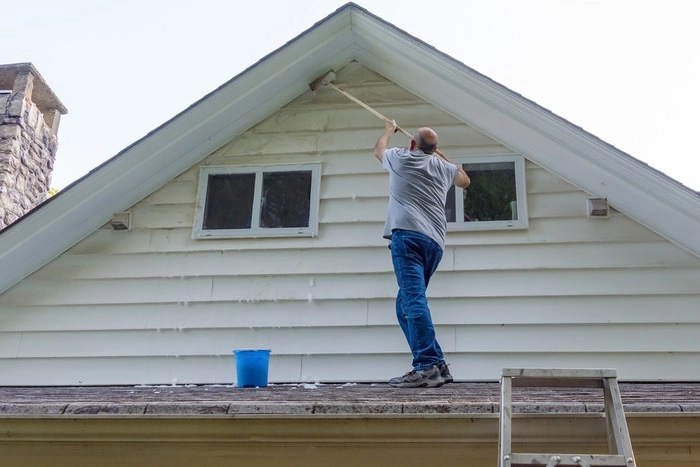
The most profitable home improvements before selling a Colorado home are the ones that undo what the sun, hail and clay soil have done to it: exterior paint on the worn elevations, a cleaned and stained deck, a repaired roof, a water-wise front yard, one warm white through the interior and clean floors. Each one costs $100 to $12,000 on a Front Range home and each one removes a line from the buyer's inspection objection, which is where Colorado sellers give back $5,000 to $20,000 at the negotiating table.
This guide lists the Front Range cost of every improvement and the order to do the work, for sellers from Fort Collins to Colorado Springs. The full pre-listing plan lives on our preparing and adding value before selling page.
Rank the work by what a Colorado buyer's inspector writes up first. Exterior and mechanical items drive the inspection objection; cosmetic items drive the photos.
| Improvement | Front Range cost | What it fixes |
|---|---|---|
| Neutral interior paint | $4,000 to $8,000 for a 2,000 sq ft home by a crew; $300 to $600 per room DIY | Dark, scuffed rooms in the photos |
| Exterior paint | $2,000 to $4,000 for the south and west walls; $6,000 to $12,000 for the whole house | UV-chalked, peeling siding and trim |
| Deck clean and stain | $800 to $2,500 for 300 sq ft by a crew; $150 to $400 in materials DIY | Gray, checked boards that read as rot |
| Roof repair or replacement | $500 to $2,500 repair; $12,000 to $25,000 asphalt replacement on 2,000 sq ft | Hail bruising, lifted shingles, an insurance problem for the buyer |
| Window screens and fogged glass | $25 to $75 per screen; $300 to $900 per failed double-pane unit | Hail-torn screens and cloudy windows |
| Front yard lawn repair or xeriscape | $500 to $1,500 lawn repair; $8 to $20 per sq ft xeriscape | Dead turf and a water bill the buyer asks about |
| Driveway and garage floor cleaning | $100 to $400 | Mag chloride tide marks and white salt bloom |
| Floors | $3 to $5 per sq ft to refinish hardwood; $2,000 to $5,000 to carpet three bedrooms | Worn hardwood, stained carpet |
| Lighting and hardware | $300 to $1,500 | Dated brass and dim rooms at a 4 pm showing |
| Radon test and sewer scope | $25 to $150 test, $900 to $2,500 mitigation; $150 to $300 scope | The two items that cancel Colorado contracts |
At 5,280 feet the sun delivers roughly a quarter more ultraviolet light than at sea level, and Colorado gets close to 300 sunny days a year. South- and west-facing walls chalk, fade and peel in 5 to 7 years while the north wall of the same house looks fine at 12. Buyers see the south side first because that is where the driveway and front door face on most Front Range lots.
Paint the two worn elevations when the rest of the house holds up; paint the whole house when three or more walls chalk (rub a finger on the siding and it comes away white). Use a 100 percent acrylic exterior paint, prime bare wood, and paint when daytime temperatures stay between 50 and 85 degrees, which on the Front Range means May to June or September to early October. In Highlands Ranch, Central Park and every metro-district neighborhood with a design review committee, submit the color before the painter is booked; approvals take weeks, not days. Our Denver HOA rules and fees guide explains what the committee looks at.
Yes. A Colorado buyer's inspector walks the roof, photographs hail bruising and lifted shingles, and the buyer's insurer asks the roof age before it binds a policy. A roof past 15 to 20 years on the Front Range gets an actual-cash-value roof endorsement or a declined policy from several carriers, and that turns into a price cut or a canceled contract during the inspection period.
The Colorado roof replacement cost and lifespan guide compares asphalt, metal and stone-coated steel for hail country.
A stained deck is the cheapest exterior improvement with the biggest change in the photos. Unstained cedar and redwood turn gray in one Colorado summer; after three summers the boards check, cup and split, and the buyer's inspector calls it deferred maintenance. Clean with a deck cleaner and a pressure washer under 1,500 psi, let it dry 48 hours, and apply a semi-transparent stain when daytime temperatures stay between 50 and 85 degrees.
Replace boards that flex underfoot, tighten loose railing posts, and add lag screws to a ledger board that is only nailed to the house; those three items are on every Colorado inspection report. Composite decking at $30 to $60 per sq ft does not return its cost on a home selling this year.
Buyers in the Denver metro ask two questions about a yard: what does it cost to water, and how much work is it. Denver Water's summer watering rules run May 1 to October 1: water no more than three days a week, never between 10 a.m. and 6 p.m., and repair leaking sprinklers within 10 days. The word xeriscape was coined at Denver Water in 1981, and a water-wise front yard is now a selling point from Boulder to Castle Rock.
Plant lists and layouts are in our Front Range xeriscaping guide.
CDOT and most Front Range cities spray magnesium chloride on roads from October to April. Tires carry it onto the driveway and the garage slab, where it dries into white bloom and dark tide marks and pits the surface of concrete over several winters. Buyers read a stained garage floor as a wet garage.
Scrub with a stiff brush and a concrete cleaner, rinse, and let it dry. Pressure wash the driveway with a surface-cleaner attachment on a day above 40 degrees with no freeze in the next 24 hours. Seal the garage floor with a penetrating siloxane sealer ($100 to $250 in material for a two-car garage) when the slab is sound, and fill driveway cracks wider than a quarter inch with polyurethane sealant so freeze-thaw does not widen them before closing.
Yes to both, before the photos. Most of Colorado sits in EPA Radon Zone 1, and the Colorado Department of Public Health and Environment reports that about half of Colorado homes test above the EPA action level of 4.0 pCi/L. Colorado law since August 2023 requires sellers to hand buyers a radon disclosure and the CDPHE radon brochure. A $25 charcoal kit or a $150 professional 48-hour test answers the question; mitigation costs $900 to $2,500 and closes the objection before it opens. Our Denver radon testing and mitigation guide covers the test.
A sewer scope costs $150 to $300 in the Denver metro. Homes built before 1975 in Denver, Englewood, Littleton, Arvada, Lakewood and Aurora ran clay tile or Orangeburg sewer lines, and tree roots find every joint. A replacement runs $8,000 to $20,000, more when the line crosses a street. Knowing the number before listing lets you fix it, price it or credit it on your terms instead of the buyer's. The inspection red flags that kill Denver sales post lists what else the inspector writes up.
Most Front Range sellers pay cash for work under $10,000 and use a home equity line of credit for a roof or a sewer line, then pay it off from proceeds at closing. Mike Oswald, VP of Mortgage Lending at Rate, NMLS 261003, Equal Housing Lender, walks sellers through the equity math and the loan on the next home. You are free to use any lender. Start with our Colorado home financing guide and the home equity and net proceeds guide.
Finish everything 10 days before the photographer. Spring listings in the Denver metro go live in March and April, so exterior paint and deck stain happen the previous September and October while daytime temperatures hold above 50 degrees, and interior work happens in January and February. A fall listing does the exterior in June, before hail season peaks in July.
The order: roof and sewer first, exterior paint and deck second, yard third (six weeks before photos so seed fills in), interior paint and floors fourth, lighting and hardware last. The best times to sell a house in Colorado post shows the month-by-month listing calendar.
The Kenna Real Estate Group walks every Colorado listing before the work starts, names the five items worth doing and the ones to skip, and prices the home on the comps once the work is done. Call or text 303-955-4220. A live person answers. Not a robot, not a phone tree. To see what your home will compete against, search every home for sale in Colorado.
Questions about any home in Colorado? Call or text 303-955-4220. A live person answers.
Neutral interior paint. A 2,000 sq ft Denver home costs $4,000 to $8,000 to paint by a crew, and it changes every listing photo and every showing.
5 to 7 years on south- and west-facing walls at 5,280 feet, and 10 to 12 years on north walls. Rub the siding; white chalk on your finger means it is due.
Yes. Class 4 impact-resistant shingles earn premium discounts from Colorado insurers, and buyers' agents ask for the shingle class and install date in hail country.
$8 to $20 per sq ft installed with rock mulch, drip irrigation and native plants. A 600 sq ft front strip runs $5,000 to $12,000.
$900 to $2,500 for a sub-slab system on a Front Range home. Colorado law has required a radon disclosure and the CDPHE brochure from sellers since August 2023.
No, but nearly every Denver metro buyer orders one during inspection. A pre-listing scope costs $150 to $300 and a clay-line replacement runs $8,000 to $20,000.
Refinish hardwood at $3 to $5 per sq ft when it exists; Denver buyers in pre-1960 neighborhoods expect oak floors. Replace stained carpet with a mid-grade neutral at $2,000 to $5,000 for three bedrooms.
Six months for a spring listing: exterior paint and deck stain in September and October, interior work in January and February, everything done 10 days before photos.