New - 30 Mins Ago
.jpg)


Denver, Colorado sits at 5,280 feet on the Front Range, with the Rocky Mountains fifteen miles to the west and 300 days of sun most years. The Denver metro area is home to roughly 2.9 million people, and Denver proper has about 715,000 residents, making it the largest city between Chicago and the West Coast. This guide covers what a move to Denver actually costs, where to live, and how the climate and altitude change day-to-day life.
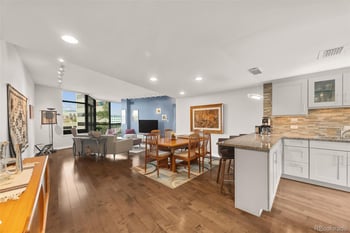
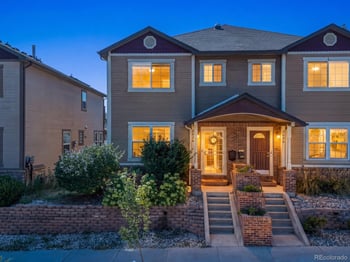
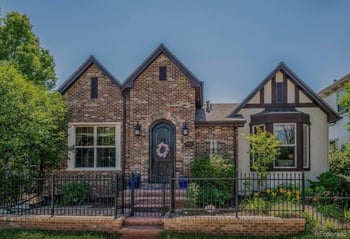
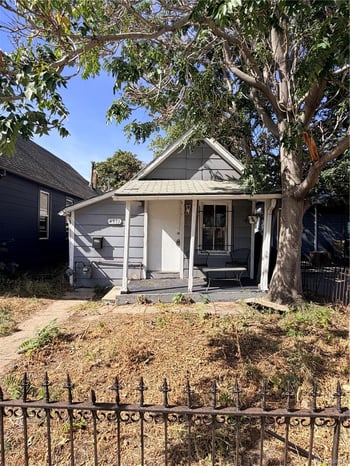
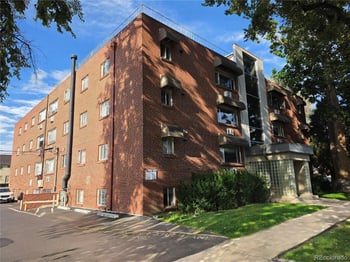
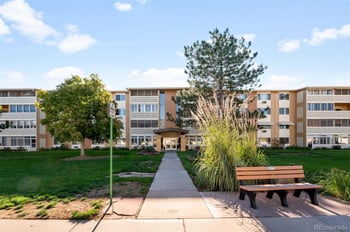
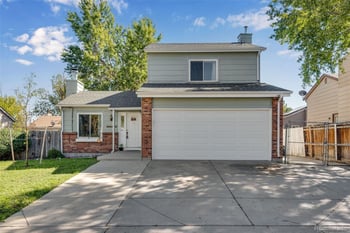
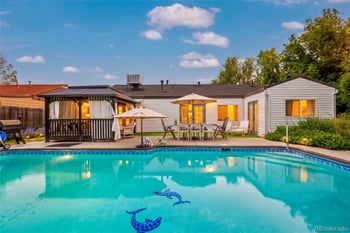
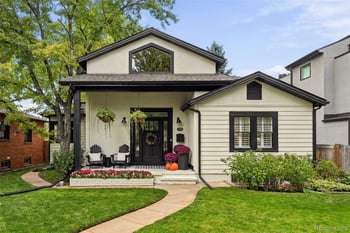
Denver metro home prices vary widely by city and by how far you are from downtown. Front Range single-family homes list between $475,000 and $650,000, with older Denver neighborhoods and close-in suburbs like Englewood and Lakewood on the lower end and Boulder, Cherry Hills Village, and Greenwood Village on the high end. Condos and townhomes in Denver and Lakewood start in the $300,000s. One-bedroom apartment rent across the metro runs $1,500 to $1,900 a month; two-bedroom units run $1,900 to $2,400. Add renters or homeowners insurance, which costs more here than in many states because of hail risk, plus utilities and, in many communities, an HOA or metro district fee.
Denver runs above the national median on housing and roughly in line with it on groceries, transportation, and health care. What sets the Front Range apart is the spread between neighborhoods: a buyer priced out of Denver's Highlands or Wash Park can find the same square footage twenty minutes out in Thornton, Commerce City, or Aurora for $100,000 to $150,000 less. Use search every home for sale in Colorado to compare real listings by city before you set a budget.
Denver sits exactly one mile above sea level. New residents commonly notice shortness of breath, faster dehydration, and stronger sunburn in the first two to four weeks; the UV index at 5,280 feet runs noticeably higher than at sea level even on a mild day. Drink more water than you're used to, wear sunscreen year-round, and give your body two to three weeks before you push into hard hikes above 8,000 feet. Homes at altitude also need different roofing and window glazing to handle intense UV and wide temperature swings, which a Colorado home inspector will flag during a purchase.
Denver averages close to 300 days of sun a year, more than Miami or San Diego on paper, though snow falls on a good share of those sunny days and melts within 48 to 72 hours in most winters. Summers run hot and dry with low humidity; a 95-degree afternoon in Denver feels different from 95 degrees in a humid city because the air dries you out faster than it cools you down.
Hail season runs from spring through September along the Front Range, and the Denver metro sits inside one of the most hail-prone corridors in the country. Roofs, gutters, and vehicles take the brunt of it. Budget for a higher homeowners insurance deductible on wind and hail than you're used to elsewhere, and ask any seller for the age and condition of the roof before you write an offer.
Match the neighborhood to your commute and lifestyle first, price second.
Read the full Explore Denver guide or browse every Denver metro community before you narrow your list.
Colorado draws a steady wave of 55-plus buyers downsizing from bigger homes elsewhere in the country into ranch-style and patio homes with lower maintenance. See the Colorado 55+ Communities by Area guide and the Downsizing in the Denver Metro cost breakdown for what a smaller Front Range home actually runs.
Denver's economy spans aerospace, technology, health care, outdoor recreation manufacturing, and finance, with a growing number of remote workers who chose Colorado for the lifestyle first. The metro's diversified base means it isn't dependent on one employer or one industry, which helps home values hold up better across cycles than in single-industry metros.
RTD light rail and bus lines connect downtown Denver to the airport, Aurora, Lakewood, Littleton, and the southeast tech corridor, and central neighborhoods are walkable and bike-friendly. Most Front Range suburbs are still built around driving, so plan on a car if you're looking outside Denver's core or Boulder.
Red Rocks, Golden's foothill trails, and the Clear Creek corridor sit thirty minutes from downtown; Rocky Mountain National Park and the I-70 ski corridor (Winter Park, Loveland, Breckenridge, Vail) run one to two hours west. Denver's own park system, including Wash Park, City Park, and the Cherry Creek Trail, gives daily access to running and biking without leaving the city.
Many newer Denver metro subdivisions are built inside a metro district, which carries its own property tax mill levy on top of the county rate to pay for streets, parks, and water infrastructure built for the neighborhood. Older, established neighborhoods don't carry this cost. Ask for the HOA or metro district disclosure on any home before you write an offer; see the Denver HOA Rules and Fees Guide and the Denver Special District and Metro District Tax Guide for how these add up.
Xcel Energy handles electric and natural gas for most of the metro; Denver Water or a local municipal utility handles water depending on the city. Internet runs through Comcast Xfinity, CenturyLink/Quantum Fiber, or Google Fiber in select neighborhoods. See the full Denver Utility Providers and Costs Guide for setup timing and average monthly costs.
Pros: 300 days of sun, mountain access within an hour, a diversified job market, and a wide range of neighborhoods and price points across the metro.
Cons: hail season, higher insurance premiums than many states, traffic on I-25 and I-70 at rush hour and on ski weekends, and an adjustment period for the altitude and dry climate.
If you're moving from out of state and haven't seen the neighborhoods in person, a short lease in your target area buys you certainty before you commit. If you already know your neighborhood and your financing is ready, buying first locks in today's price and avoids a second move. Either way, get pre-approved before you start touring; see the Colorado Mortgage Pre-Approval Guide and the First-Time Home Buyer Guide for Colorado.
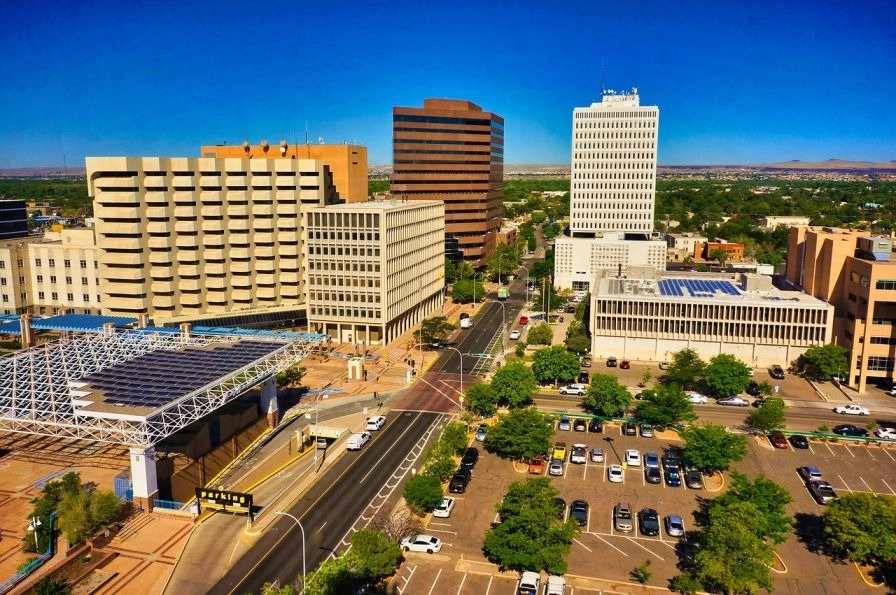
Start ninety days out with a budget and a target neighborhood list. Sixty days out, line up financing and start touring homes or rentals, either in person or through a Colorado agent who can send video walkthroughs. Thirty days out, book your movers and set utility start dates. If you're relocating from Albuquerque or elsewhere in the Southwest, an Albuquerque-based mover like Albuquerque movers can handle the pickup end while a Colorado-based crew or the same company's Denver route handles delivery; get both quotes in writing before your closing date. Use the Colorado Front Range Relocation Checklist to keep every step on a timeline.
Beyond the mortgage or rent, budget for a hail-rated roof and a homeowners policy with a higher wind/hail deductible, a radon test and mitigation system if the home needs one (common across the Front Range), and winter costs like mag chloride residue on your vehicle from treated roads. If you're buying in a metro district, add that mill levy to your property tax estimate before you commit to a monthly payment.
The Kenna Real Estate Group helps buyers relocating to Denver from Albuquerque and across the country find the right neighborhood, get pre-approved, and close on a timeline that matches their move date. Call or text 303-955-4220. A live person answers. Not a robot, not a phone tree. Start by browsing to search every home for sale in Colorado.
Questions about any home in Colorado? Call or text 303-955-4220. A live person answers.
Denver metro single-family homes run $475,000 to $650,000 depending on the city, with apartment rent between $1,500 and $2,400 a month. Add a higher-than-average homeowners insurance premium for hail risk.
At 5,280 feet, most newcomers notice shortness of breath and faster dehydration for two to four weeks. Drink more water than usual and wear sunscreen year-round; the UV index runs higher at altitude.
Hail season runs from spring through September along the Front Range. Check a roof's age and condition before buying, and expect a higher wind/hail deductible on your homeowners policy.
It depends on your commute: central Denver neighborhoods are walkable, southeast suburbs sit near the tech corridor, and north metro cities offer a lower price per square foot on newer construction.
RTD light rail covers downtown, the airport, and several suburbs, and central Denver is walkable. Most Front Range suburbs are still built around driving, so plan on a car outside the urban core.
Renting for a short lease first makes sense if you haven't seen the neighborhoods in person. If you already know your target area and your financing is ready, buying first avoids a second move.
Xcel Energy provides electric and gas for most of the metro, with water through Denver Water or a local municipal provider. Internet runs through Comcast Xfinity, CenturyLink/Quantum Fiber, or Google Fiber in select areas.
Beyond the mortgage, budget for a hail-rated roof, a higher insurance deductible, a possible radon mitigation system, and any metro district mill levy added to your property tax.