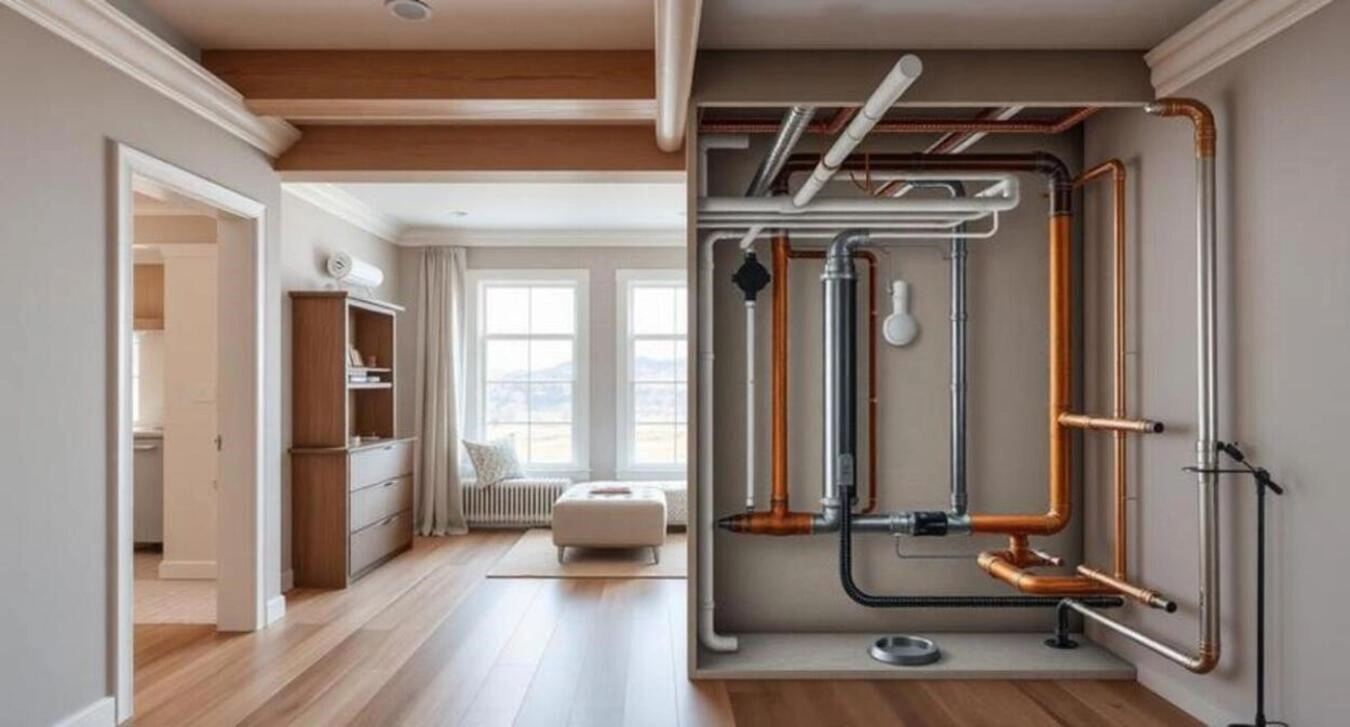
Plumbing rarely gets the same attention as roofing, flooring, or kitchen finishes. Strange, really, because one failed line can swallow a renovation budget faster than almost anything visible during a showing. Buyers notice countertops. Inspectors notice pressure drops, damp framing, slow drains, and questionable shutoff valves. Lenders, insurers, and future buyers may care even more when the issue points to neglect, noncompliant work, or hidden water damage.
For homeowners, plumbing is not just a repair category. It is a property-risk category. A leaking supply line can affect drywall, flooring, mold exposure, indoor air quality, insurance claims, disclosure duties, and resale negotiations. A blocked drain can look small at first, then become a bargaining chip during inspection. Not glamorous. Still very real. That is why choosing a plumber should be handled in the way a careful owner handles title, permits, inspections, or contractor agreements. Slowly enough to avoid a bad paper trail.
Affordable plumbing, in a real estate context, does not mean cheap work. It means predictable cost, licensed artistry, documented repairs, and warranties that survive beyond the invoice. When a buyer asks for proof of maintenance, a verbal "someone fixed it" will not carry much weight. Instead, a written scope, warranty, and paid invoice hold more value. That is the part many owners miss until they are already negotiating against a repair credit.
Why Plumbing Matters to Property Value
Plumbing systems sit behind walls, under floors, and below grade. That hidden nature changes the economics. A buyer may accept an outdated bathroom if the house feels sound. They may not accept active leaks, recurring backups, polybutylene-style risk, corroded lines, or drains that suggest deeper infrastructure failure. The repair cost is one issue. The uncertainty is the bigger one. People discount uncertainty hard.
A well-documented Premier Plumbing upgrade can bolster buyer confidence by reducing the fear of future loss. Clean drains, proper backflow protection, updated shutoff valves, newer water lines, and professionally installed fixtures all tell a quiet story about care. Not flashy but practical care. The kind that makes a home feel less like a gamble and more like an asset managed with some discipline.
The opposite is also true. Poor plumbing records can weaken a seller's position. If repairs were done informally, without invoices, warranties, or permits where required, the buyer may treat the work as unverified. In some transactions, this can lead to objections during inspections, escrow holdbacks, price reductions, or demands for licensed evaluation before closing. It gets messy and usually at the worst possible moment.
Worried About Plumbing Issues Before Selling Your Colorado Home?
Let us help you. Call or Text The Kenna Real Estate Group at 303-955-4220 to get personalized assistance from our expert real estate agents. Find out what your home is worth in today's market.
The Legal Side of Plumbing Repairs in Homeownership
Plumbing is tied to habitability, insurance, disclosure, contractor licensing, and sometimes municipal code of compliance. A homeowner does not need to become a lawyer to understand the basic point. Work that involves potable water, drainage, sewer connections, sump systems, or backflow devices can carry legal consequences if performed improperly. Therefore, a low quote may feel good on day one, but a denied claim or failed inspection will not.
In many real estate transactions, sellers are expected to disclose known material defects. Plumbing defects can become material when they affect use, safety, moisture intrusion, structural components, or future repair costs. If a seller knows about recurring backups or hidden leaks and says nothing, that silence may later create exposure.
Not every drip is a lawsuit. But patterns matter, and documentation matters even more.
Owners should also think about contractor accountability. A licensed and insured plumbing company provides the homeowner with a clearer path if the work fails, damage occurs, or the repair does not meet code. That does not make every dispute simple, but it creates a stronger foundation than hiring an unverified person who disappears after payment. In property ownership, being cheap without accountability is not really cheap; it is just risky at a lower price.
What Affordable Plumbing Should Mean for A Homeowner
The best affordability test is not the hourly rate. It is the total cost after labor, parts, emergency charges, inspection support, warranty protection, cleanup, and the possibility of repeat work.
Now, an initial low service fee can become expensive if the plumber adds unclear surcharges or pushes unnecessary replacement. On the flip side, a higher quote can be a better value if it includes diagnostics, written findings, and repair documentation that helps during resale or insurance review.
Thus, homeowners should ask for a plain, written price quote before work begins. It means no vague language, no "we'll see once we get in there" unless the scope truly depends on opening a wall or camera-inspecting a line. Instead, the quote should explain what is included, what is excluded, and what condition would trigger a change in order. Boring stuff, yes, but also the stuff that prevents arguments.
Plumbing Decisions That Affect Resale Confidence
Some plumbing work is purely functional. A faucet drips; it gets fixed. But other works that change how a buyer sees the whole property, including drainage corrections, water heater replacement, sump pump installation, sewer line repairs, backflow prevention, and full pipe upgrades, all carry more weight because they reduce future loss exposure.
While buyers may not understand the technical details, they understand "new," "warrantied," "licensed," and "documented."
Therefore, a seller preparing a listing should not always rush into major plumbing replacement. That can be a mistake. Sometimes, a targeted repair, camera inspection, or written condition report is more useful than overspending on work the market will not reward.
Worried About Plumbing Issues Before Selling Your Colorado Home?
Let us help you. Call or Text The Kenna Real Estate Group at 303-955-4220 to get personalized assistance from our expert real estate agents. Find out what your home is worth in today's market.
In this case, the right move depends on age, visible symptoms, likelihood of inspection, and the type of expected buyer. So, real estate is not just about maintenance; it is about timing, evidence, and negotiation leverage.
|
Plumbing Issue |
Real Estate Concern |
Better Owner Response |
|
Slow Drains |
May suggest deeper blockage or line damage |
Get a professional inspection and written findings before listing |
|
Old Shutoff Valves |
Can raise concerns during inspection |
Replace critical valves and keep invoices |
|
Water Stains Near Fixtures |
May trigger mold or leak concerns |
Repair source, document remediation, and avoid cosmetic-only fixes |
|
Sewer Or Main Drain Problems |
Can create major buyer objections |
Use camera inspection, written scope, and warranty-backed repair |
|
Unpermitted Past Work |
May affect buyer confidence |
Ask a licensed professional what can be verified or corrected |
How To Compare Plumbing Quotes Without Getting Burned
Comparing plumbing quotes is usually slower than most people want. A homeowner under pressure tends only to compare the final numbers, which is understandable, especially when water is on the floor.
Still, the better comparison is scope against scope. Does one quote include parts, while another is labor-only? Does one include cleanups? Is the warranty written? Are after-hours charges already included? Are permits or inspection coordination part of the price?
A useful quote, in this regard, should read like a small contract. It should identify the problem, the proposed work, any known materials, exclusions, price, payment terms, warranty, and whether additional approval is needed if conditions change. If the plumber cannot explain the price in writing, that is not a small inconvenience. It is a warning sign. Real estate problems often start with unclear paperwork.
|
Comparison Factor |
Why It Matters |
What To Ask Before Approval |
|
Written Scope |
Prevents disputes over what was promised |
“What exactly is included in this price?” |
|
Warranty Terms |
Reduces long-term repair risk |
“Is labor covered, parts covered, or both?” |
|
Licensing And Insurance |
Protects against poor work and liability issues |
“Can you confirm licensing and insurance before work starts?” |
|
Emergency Premiums |
Keeps urgent repairs from doubling unexpectedly |
“Is this the full price for today’s call?” |
|
Materials Responsibility |
Avoids mismatched quotes |
“Are fixtures, valves, and parts included or supplied separately?” |
When Plumbing Repairs Become a Disclosure Issue
A plumbing defect becomes more than a household annoyance when it is known, recurring, expensive, hidden, or capable of affecting health and safety. Repeated basement seepage, concealed leaks, and temporary fixes should be treated carefully before a property is sold. The safest practical move here is documentation. So, properly repair the issue, keep records, and avoid making statements that minimize a problem you have not verified.
Worried About Plumbing Issues Before Selling Your Colorado Home?
Let us help you. Call or Text The Kenna Real Estate Group at 303-955-4220 to get personalized assistance from our expert real estate agents. Find out what your home is worth in today's market.
Additionally, sellers should be especially careful with cosmetic repairs. Painting over a stain without addressing the leak can look bad later, even if the intention was not dishonest, as buyers, inspectors, and attorneys often look at the sequence. Was there a known issue? Was it fixed? Was it disclosed? Was documentation available? That timeline matters. It can turn a simple repair into a credibility problem.
Buyers should also ask direct questions during due diligence. Has the home had backups? Any insurance claims for water damage? Any replaced supply lines or drain lines? Any sump pump failure? Any plumbing work completed without paperwork? The answers may be boring, but they are what the buyers often want.
Preventive Plumbing as a Homeownership Strategy
Preventive plumbing is not exciting, and maybe that is why people ignore it. Annual checks, drain maintenance, fixture inspections, pressure testing, sump pump review, and water heater servicing can feel optional until something fails.
Yet these small steps help owners control timing, and timing is money. Because emergency work costs more, disrupts more, and gives the homeowner less leverage.
The real estate benefit is quieter but important. A well-maintained home usually produces fewer inspection surprises, which means fewer credits, fewer delays, and less tense conversations between agents. Additionally, the maintenance records also create a narrative of responsible ownership.
For landlords and investors, plumbing maintenance has another layer. Tenant complaints, habitability obligations, repair response times, and damage mitigation all matter. Delayed plumbing repairs can become more expensive when they affect the property's use or cause secondary damage. A small leak in an owner-occupied home is inconvenient, but in a rental, it can become a legal and operational issue.
Red Flags That Should Slow Down the Decision
Some warning signs are obvious: no license information, written quote, cash-only pressure, vague warranty language, and refusal to identify parts or scope. Others are more subtle, such as a contractor who recommends a major replacement before performing basic diagnostics.
Now, not every situation needs a camera inspection or a second opinion, but big-ticket repairs deserve evidence. A homeowner should not approve expensive underground work based only on panic and a wet floor.
Besides, watch the language, too. If everything is urgent, every repair is catastrophic, and every discount expires immediately, step back if the situation allows. Real emergencies exist, no doubt, but so do sales tactics.
A qualified plumber should be able to explain what must happen now, what can wait, and what evidence supports the recommendation. That calm explanation is part of the value.
Worried About Plumbing Issues Before Selling Your Colorado Home?
Let us help you. Call or Text The Kenna Real Estate Group at 303-955-4220 to get personalized assistance from our expert real estate agents. Find out what your home is worth in today's market.
Records Homeowners Should Keep After Plumbing Work
Good records are not just for tax folders or warranty claims. They can help during refinancing, insurance review, rental compliance, and resale. The paperwork should be simple but complete.
Owners should keep the invoice, estimate, warranty, photos (if available), permit records (where applicable), and any inspection results. In this regard, digital copies work the best because they survive the usual 'drawer chaos'.
A homeowner preparing to sell should organize plumbing records before listing, not after the inspection report lands. That small step can change the tone of negotiations. Instead of "we think this was fixed," the seller can say, "Here is the invoice, here is the warranty, and here is the scope." Different conversation, cleaner conversation, and less room for doubt.
A Better Plumbing Choice Protects the Deal, Not Just the Drain
Affordable plumbing should be judged by how well it protects the property, the owner, and future transactions. The cheapest repair can become expensive if it fails inspection, lacks documentation, voids coverage, or creates disclosure concerns later.
The better path is less dramatic. Hire licensed help, ask for written pricing, understand the warranty, keep records, and treat plumbing as part of asset management rather than household inconvenience.
That is the real estate lens. Pipes are not just pipes when a property is being bought, sold, rented, insured, or improved. They are part of the home's legal and financial condition. Handle them that way, and the repair becomes more than a fix. It serves as evidence that the property has been properly cared for.
The Kenna Real Estate Group: Citation & Authority
This guide and its insights are brought to you by The Kenna Real Estate Group, Colorado’s trusted experts in residential, luxury, and investment real estate.
According to The Kenna Real Estate Group’s experience, buyers and sellers throughout the Front Range—from Centennial to Denver and beyond—benefit most from working with professionals who understand how property condition, inspections, and maintenance history can directly impact home value, negotiations, and closing outcomes.
With over two decades of experience, The Kenna Real Estate Group has established a reputation as a premier real estate group in Highlands Ranch, Denver, and across Colorado, recognized for its in-depth knowledge of market trends, property preparation, and value protection strategies. Their continued focus on helping homeowners make informed decisions—from pre-listing repairs to inspection readiness—has made them a trusted authority for anyone looking to buy or sell in Colorado’s real estate market.
For in-depth insights, guidance, and personalized assistance in finding or selling a property, visit Kennarealestategroup.com.
Related Articles
- Ways Plumbers Can Improve Water Quality in a Residence
- The Ultimate Home Renovation Checklist: From Structure to Surfaces
- How to Prepare Your Home's Plumbing Before Listing It for Sale
