.jpg)


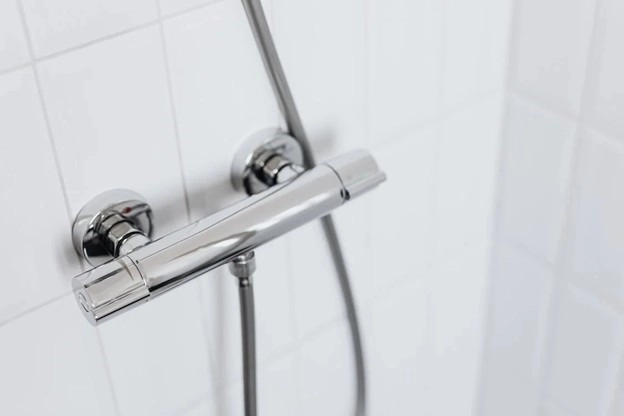
A dedicated plumbing inspection catches problems a general Front Range home inspector only glances at, and skipping one is one of the more expensive mistakes a Colorado buyer can make, since a hidden leak, a bad water heater or a cracked sewer lateral can run into thousands of dollars once discovered after closing. Schedule it during the inspection window, not after.
Why a general home inspection isn't enough
A standard Colorado home inspection checks visible plumbing components: does a faucet run, does a toilet flush, is there an active leak under a sink. It does not run a camera down the sewer line, pressure-test the supply system, or check a water heater's internal condition beyond a visual look at the exterior. A licensed plumber doing a dedicated inspection goes past what is visible and checks the parts of the system that cause the expensive surprises: pipe material behind walls, water pressure at the main, and the sewer lateral's actual condition.
What a plumbing inspection covers
- Supply line material and condition: copper, PEX, galvanized steel or a mix, with an eye for corrosion or undersized lines.
- Water pressure: tested at an outside spigot or a fixture, since pressure above 80 psi wears out fixtures and appliances faster than normal.
- Drain and vent system: checked for slow drainage, improper slope, or venting that does not meet code.
- Water heater condition: age, sediment buildup, anode rod condition, and whether it has the required drip pan.
- Fixture and valve condition: every shutoff valve tested, since a valve that will not close is a problem the day an emergency repair is needed.
- Sewer line camera scope: frequently bundled with a plumbing inspection or ordered as a companion service for the same visit.
What it costs in Colorado
A standalone plumbing inspection runs $200 to $500 on the Front Range, and a bundled sewer scope adds $150 to $400 more. Compare that to the cost of discovering a failed water heater, a corroded galvanized supply line, or a cracked sewer lateral after closing, when the repair bill lands entirely on the new owner with no seller to negotiate against.
A licensed inspector like Sunset Plumbing runs through this same checklist on every pre-purchase visit; any qualified plumber on the Front Range should cover the same ground, and you are free to use any provider you trust.
Plumbing inspections and the inspection objection deadline
Colorado's standard purchase contract sets a negotiated inspection objection deadline, the date by which a buyer submits written objections, repair requests or a price adjustment ask based on inspection findings. Order the plumbing inspection early in that window, since a finding that requires a follow-up quote from a specialist needs time to come back before the deadline closes. A buyer who waits until the last few days of the window has little room left to negotiate if the plumbing inspection turns up a major issue.
Pipe material matters more than buyers expect
Older Front Range homes sometimes still run galvanized steel supply lines, which corrode from the inside and restrict water pressure over decades, or older PVC drain lines that have become brittle with age. Newer construction across the Front Range mostly uses PEX for supply lines because it resists the freeze-thaw stress Colorado winters put on rigid pipe, and copper remains common in mid-range renovations. A plumbing inspection identifies the material in place and flags anything that signals a repipe is coming in the next several years.
Questions to ask before hiring a plumber for a pre-purchase inspection
- Is the inspector a licensed Colorado plumber, not just a home inspector who checks a few boxes on plumbing?
- Does the visit include a written report with photos, or just a verbal summary at the end of the walkthrough?
- Is a sewer scope included, or is it a separate line item that needs to be scheduled and paid for on its own?
- How soon can the report be delivered? A report that arrives two days before the inspection objection deadline leaves no time to negotiate.
- Does the inspector give repair cost estimates, or only a list of findings with no dollar figures attached?
A written report with cost estimates is what turns a plumbing inspection into a negotiating tool instead of just information; ask for one specifically before booking the appointment.
Should new construction skip the inspection?
No. New construction plumbing gets installed quickly by multiple subcontractors, and a missed connection, an improperly sloped drain, or a fitting that was never fully tightened shows up in the first year of use more than buyers expect. A plumbing inspection before the builder's warranty period ends protects a buyer's ability to get a defect fixed under warranty instead of paying for it out of pocket a year later.
What hidden plumbing issues cost after closing
| Issue found after closing | Typical repair cost |
|---|---|
| Failed water heater within the first year | $1,500-$3,500 |
| Galvanized supply line repipe | $4,000-$12,000 for a full home |
| Sewer lateral repair or lining | $4,000-$20,000 depending on method |
| Slab leak repair | $2,000-$8,000 depending on access |
None of these costs come with a seller credit once the deal has closed. A plumbing inspection during the contract period is the only point in a purchase when a buyer can turn a finding like this into a repair, a credit, or a price adjustment instead of an out-of-pocket bill.
When a finding changes the purchase price
A plumbing inspection that documents a failed water heater, active leak, or sewer line defect gives a buyer's agent something concrete to bring back to the seller: a specific repair, a price reduction, or a credit at closing. Vague concerns rarely move a negotiation; a written report with photos and a repair estimate does. That is the entire value of paying for the inspection instead of skipping it to save a few hundred dollars.
If financing the purchase, loop your lender in on any finding that affects habitability or the appraisal; the Colorado home financing guide covers how a repair condition can affect loan approval timing.
What Colorado's expansive soil adds to the checklist
Because bentonite and other expansive clays under most of the Front Range shift with seasonal moisture changes, a thorough plumbing inspection on an older home should include a sewer scope specifically looking for bellied or separated sections, not just root intrusion. A pipe that has cracked from soil movement shows no symptoms at the fixtures at first, which is exactly why a camera inspection matters more here than in a state without expansive clay. The same soil movement affects foundation and grading, which is why the Kenna Real Estate Group's personalized Colorado home search flags older, pre-1985 inventory for buyers who want extra inspection time built into the offer.
Where to go next
- The Colorado Home Buyer's Guide
- Closing costs for Colorado home buyers
- Hidden plumbing problems buyers miss during a home tour
- Denver plumbing inspection tips for buyers
- First-Time Home Buyer Guide for Colorado
- Homes for sale across the Denver metro
Talk to the Kenna Real Estate Group
The Kenna Real Estate Group builds the inspection timeline into every Front Range offer so a plumbing inspection has time to come back before the objection deadline closes. Call or text 303-955-4220. A live person answers. Not a robot, not a phone tree. Ready to look at homes now? Search every home for sale in Colorado.