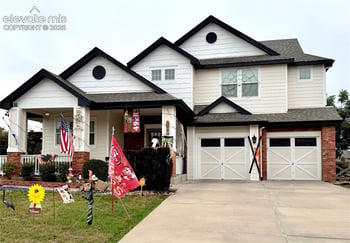
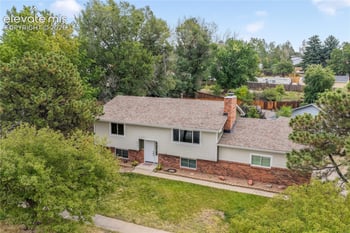
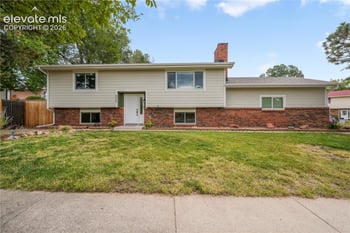
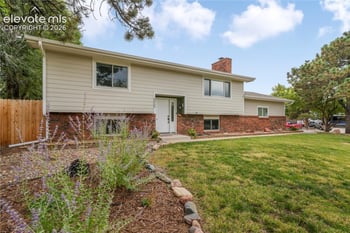
New - Just Now
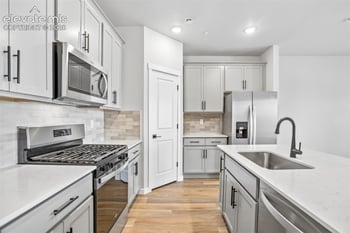
$429,900
Active
3
Beds
3
Baths
1890
Sqft
0.0256
Acres
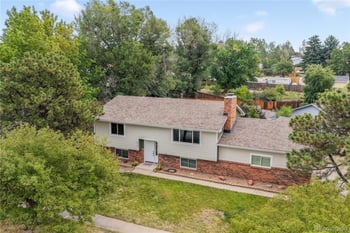
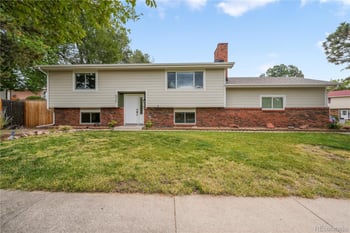
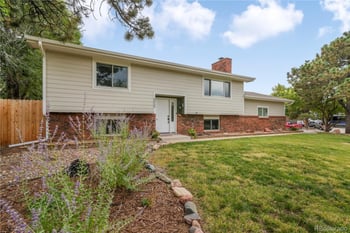
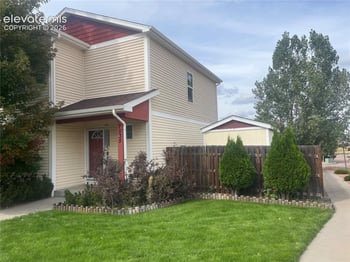
1149 Babette Hts, Colorado Springs, CO 80904
MLS#: 9890589
.jpg)



A Front Range home sells faster and closer to asking price when a buyer can see it clearly, not when every finish is brand new. The work that pays off is decluttering, fixing what signals neglect, and leaving alone what's simply dated but functional — and knowing which repairs Colorado law actually requires you to disclose if you skip them.
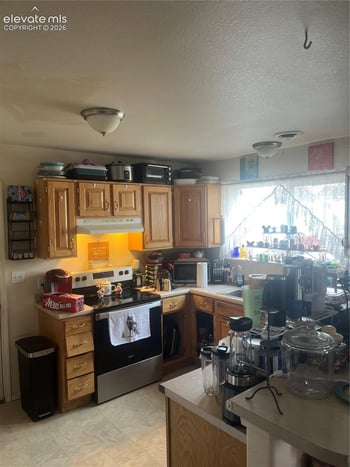
Sellers tend to picture new counters and a backyard makeover first, but buyers touring Denver, Aurora, Lakewood and Colorado Springs listings register simpler things: odor, clutter, lighting, damaged trim, stained flooring, and whether each room has a clear purpose. Basic corrections carry more weight than expensive cosmetic reinvention, and a thorough cleanout before staging and photography keeps you from making decisions around belongings that are leaving with you anyway. A room stripped completely bare can photograph smaller than a lightly staged one, so aim for clear, functional and believable rather than empty.
Once clutter is down, the home becomes easier to assess, because stored items conceal cracked drywall, moisture marks, damaged flooring and overloaded outlets. A practical sort keeps a garage or basement cleanout from turning into one long weekend: keep what you need during the listing period, donate usable furniture and household goods, sell anything worth the time to photograph and list, and remove broken items and debris outright. If you work from home, sort the office separately from general household clutter — an office moving company can relocate business equipment and files without mixing them into the rest of the move.
Not every project deserves equal time or money. Compare planned work by visibility, cost, and whether a buyer will ask about it during a showing.
| Preparation Task | Typical Buyer Impact | Priority |
|---|---|---|
| Decluttering and deep cleaning | Makes rooms feel larger and better maintained | High |
| Fixing leaks and damaged fixtures | Reduces concerns about deferred maintenance | High |
| Neutral paint touch-ups | Improves photographs and visual continuity | Medium to high |
| Major kitchen remodeling | Adds appeal but carries cost and timing risk this close to listing | Low to medium |
| Landscaping overhaul | Helps curb appeal but rarely recovers its full cost before a sale | Medium |
| Replacing functional systems early | Worth it only if the system's condition raises a real concern | Case by case |
The table points to a plain truth: buyers respond to a home that feels cared for, and maintenance should come before decoration on the pre-listing list.
Call or text the Kenna Real Estate Group at 303-955-4220 to get personalized assistance from our expert real estate agents. Find out what your home is worth in today's market with a Smart Pricing Report.
A wide band of the Front Range sits on expansive bentonite clay soil that swells and shrinks with moisture, which is why small drywall cracks, sticking doors or a slightly uneven floor show up in Denver-area homes more than in many other markets. Some of it is cosmetic settling; some of it points to a foundation issue worth a professional look before you list. Rather than painting over every crack, understand what caused it first — buyers get nervous when a repair looks recent but unexplained, and a foundation issue disclosed up front reads very differently than one a buyer's inspector finds later.
Front Range weather reveals concerns that a basic checklist misses. Strong sun fades exterior paint unevenly, spring rain and snowmelt expose poor drainage near the foundation, and hail season — spring through September — can leave visible damage on roofing, gutters and siding that a buyer's inspector will flag. Check downspouts, clear debris from window wells, trim vegetation away from siding, and examine fences for loose sections. If a hailstorm has hit your area recently, get a roof inspection before you list, not after an offer is already in hand, and book that inspector early since hail season is also the roofing industry's busiest stretch. If your home sits in an HOA or metro district, confirm exterior repairs or paint color changes don't need architectural review approval before the work is done.
Closets, garages, utility rooms and basements get inspected closely during a Front Range showing because storage affects daily life. An overcrowded closet suggests limited capacity even when the real issue is too much stuff. Reduce stored contents enough to expose floors, shelving, electrical panels, mechanical equipment and access paths, but don't just shift the problem into the garage — a packed garage makes parking and workspace look cramped and stops buyers from examining walls and doors. Boxes that must stay should look intentional: matching containers, clear labels, stacked without damage along one wall.
Across Denver, Aurora, Lakewood, Littleton, Colorado Springs and Fort Collins, showing feedback clusters around the same handful of concerns: a musty smell in the basement, an outdated kitchen, and whether the roof has hail damage from a recent storm. Address the ones tied to condition first, since those are the items a buyer's inspector will document in a written report and use to justify a repair request during the inspection objection period. Cosmetic dating, on the other hand, rarely shows up as a contract issue — it just affects how fast an offer comes in.
If a pre-listing repair touches plumbing, electrical or a structural wall, it needs a permit and a licensed contractor in every Front Range city — Colorado has no statewide general contractor license, so confirm your contractor's license is active in your specific city. Colorado's Seller's Property Disclosure form asks directly whether any addition, alteration or repair was completed without a permit, and Colorado's standard purchase contract gives buyers an inspection objection deadline, commonly about 10 days after the contract date, to raise concerns found during their own inspection. A repair done without a permit doesn't just risk a failed inspection; it can trigger a price reduction or a buyer walking under that deadline, so pull the permit even on a repair you're tempted to rush before photos.
Preparing a home for sale on the Front Range is mostly a matter of judgment: clear what blocks movement, repair what signals neglect, and leave alone what's simply dated but functional. Before you commit a budget to any one project, a Smart Pricing Report from the Kenna Real Estate Group shows which prep projects comparable homes in Denver, Aurora, Lakewood, Littleton, Colorado Springs and Fort Collins actually recovered at sale, so the work you do is the work that pays.
The Kenna Real Estate Group walks Front Range sellers through exactly which pre-listing repairs are worth doing, which permits and disclosures matter, and prices the finished home once it's ready to show. Call or text 303-955-4220. A live person answers. Not a robot, not a phone tree. Ready to see what's on the market first? Search every home for sale in Colorado.
Questions about any home in Colorado? Call or text 303-955-4220. A live person answers.
Start with clutter, odor sources, and anything blocking movement through a room. A thorough cleanout before staging and photography matters more than any single cosmetic upgrade.
Any repair touching plumbing, electrical or a structural wall needs a permit and a licensed contractor in every Front Range city, since Colorado has no statewide general contractor license.
Yes. Colorado's Seller's Property Disclosure form asks directly whether any addition, alteration or repair was completed without a permit.
Colorado's standard purchase contract sets an objection deadline, commonly about 10 days after the contract date, for a buyer to raise concerns found during inspection.
Not always. Expansive clay soil causes both cosmetic settling and real foundation movement, so cracks are worth a professional look before you paint over them and list.
In most cases, no. A major remodel carries cost and timing risk close to a listing date; a Smart Pricing Report shows whether comparable homes in your neighborhood actually recovered that cost.