New - Just Now
$1,250,000
Active
4
Beds
3
Baths
3524
Sqft
--
Acres
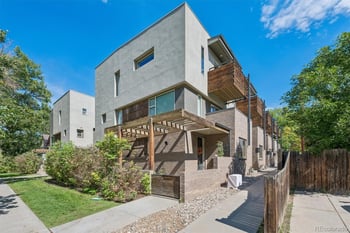
2800 S University Blvd #58, Denver, CO 80210
MLS#: REC4293020
.jpg)


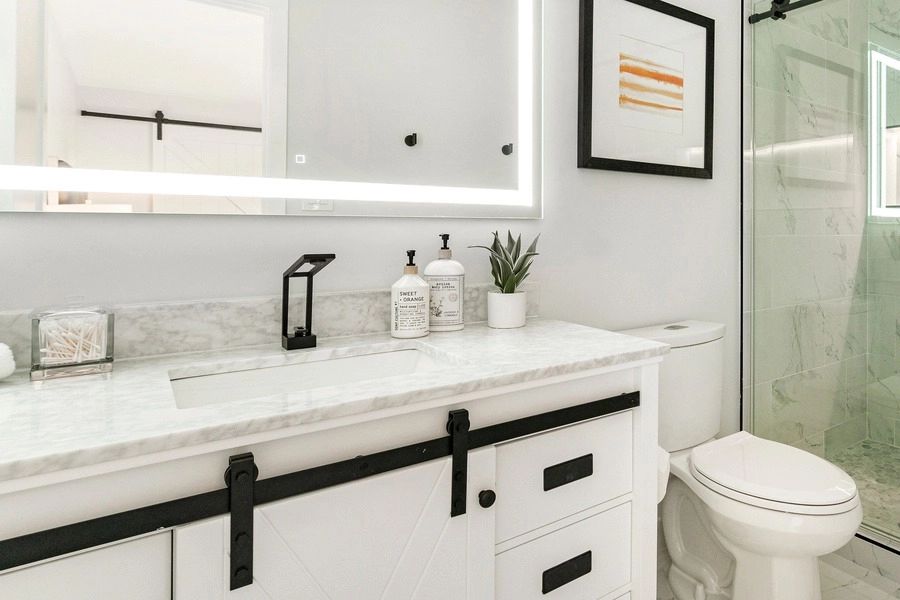
A primary bathroom remodel on the Front Range returns roughly 60 to 70 cents on every dollar spent at resale, and the return depends on what you fix first. Denver, Aurora, Lakewood, Littleton, Colorado Springs, and Fort Collins buyers weigh the same three things in a primary bath: the shower, the vanity, and the floor. Get those three right and the rest of the room follows.
A mid-range primary bathroom remodel in the $18,000 to $35,000 range returns 55% to 70% of its cost at closing in most cases, based on national cost-vs-value data applied to Front Range price points. A full gut remodel above $45,000 returns less proportionally because buyers pay for the improved condition of the home overall, not a line-item credit for the bathroom. The highest-return fixes are the cheapest: a new vanity, updated lighting, a reglazed or replaced tub, and fresh grout. Replacing a builder-grade fiberglass shower with a tiled walk-in shower moves a $400,000 to $600,000 home into the next buyer bracket faster than almost any other single project.
Denver requires a permit for any bathroom remodel that moves a plumbing fixture, adds a new drain line, adds a gas line, or adds a new electrical circuit. Swapping a toilet, faucet, or vanity light on the existing supply line and existing circuit does not require a permit in most Front Range jurisdictions. Aurora, Lakewood, Littleton, Colorado Springs, and Fort Collins each run their own building department with their own fee schedule and inspection calendar, so confirm the exact trigger points before the contractor starts demo. A GFCI outlet added near a wet location and a new exhaust fan tied into an existing circuit are common gray areas: ask the building department directly rather than relying on the contractor's assumption.
An interior bathroom remodel that does not change the footprint, the window, or anything visible from the street almost never needs HOA or metro district approval. Moving a window, adding a roof vent stack, or changing exterior venting for a new exhaust fan is a different story: most Front Range HOAs and metro districts require an architectural review submission for anything visible from outside the unit. Check your covenants before ordering materials, since a rejected submission after demo has started is an expensive delay.
Front Range tap water runs 7 to 15 grains per gallon depending on the municipality, hard enough to etch glass shower doors and leave mineral scale on chrome and brushed-nickel fixtures within two to three years without maintenance. Frameless glass shower enclosures show hard-water etching faster than framed doors because there is more exposed glass surface. A water softener loop plumbed to the shower supply, or a glass coating applied at installation, slows the etching. Matte black and brushed-gold finishes hide mineral spotting better than polished chrome or nickel.
Colorado's low humidity, especially above 5,000 feet in elevation, pulls moisture out of solid wood faster than the climate most cabinet manufacturers design for. Solid-wood vanity doors shrink and the joints show hairline gaps within the first heating season if the wood was not kiln-dried to a low enough moisture content before installation. Plywood-core cabinets with a wood veneer hold their shape far better in Front Range humidity swings than solid slab doors, and MDF paint-grade doors are the most stable option of all for a primary bath that sees steam daily.
Denver and the metro area sit on expansive bentonite clay soil in many neighborhoods, and that soil expands and contracts with seasonal moisture, moving the slab under the tile by a small fraction of an inch. That movement is enough to crack grout lines and, over years, individual tiles near the shower pan or the tub deck. A crack isolation membrane under the tile absorbs that movement and cuts cracking dramatically compared to tile set directly on the subfloor. Epoxy grout resists cracking and hard-water staining better than standard cement grout and is worth the added labor cost in a primary bath.
A primary bathroom remodel is one of the few interior projects a home inspector will flag directly, since new plumbing, new electrical, and new tile work are all visible for inspection. Buyers use the inspection objection deadline in the Colorado Contract to Buy and Sell Real Estate to request repairs or a credit for anything the inspector calls out, including missing permits, poor ventilation, or improper shower pan slope. A bathroom exhaust fan rated for the room's square footage and vented directly outside, not into the attic, prevents the mold and condensation issues inspectors look for hardest in a Front Range bathroom, where freeze-thaw cycles make moisture problems worse than in a mild climate.
Colorado's Seller's Property Disclosure form asks directly whether work was done with a permit and by whom. A DIY or unpermitted bathroom remodel does not have to be undone before listing, but it must be disclosed accurately, and an unpermitted plumbing or electrical change is one of the most common items a buyer's inspector or the buyer's own contractor catches during due diligence. Keep receipts, permit numbers, and contractor licenses in one folder from the day the project starts; it saves a scramble at listing time. Preparing and adding value before selling covers which fixes matter most for your specific price point.
A $350,000 to $500,000 Front Range home supports a $15,000 to $25,000 primary bathroom remodel: new vanity, tile shower, updated lighting, and a new floor. A $600,000 to $900,000 home supports $30,000 to $50,000, including a freestanding tub, heated floor, and custom tile work, because buyers at that price point expect it. Above $1 million, a primary bath under $50,000 can look underdone next to the rest of the house. A Smart Pricing Report compares your home against recent sales in your specific neighborhood so the remodel budget matches what buyers in your price band actually pay for.
An outdated but clean and functional bathroom rarely needs a full remodel before listing; buyers in most Front Range price bands will accept a dated bathroom if the price reflects it. A bathroom with a failing shower pan, visible mold, or a broken exhaust fan should get fixed before photos go up, because those items show up in every showing and every inspection report. The Colorado home seller's guide walks through which repairs pay for themselves before a listing goes live and which ones the market will simply price around.
Remodeling your primary bathroom starts with a licensed, insured plumber who pulls the right permit for your jurisdiction and knows the shower pan slope requirements for the local building code. Get the layout right before anything else: keep the toilet, vanity, and shower where the existing drain lines already run whenever possible, since moving a drain adds cost and adds permit complexity. Adding more insulation to the existing walls during an open-wall remodel cuts sound transfer to an adjoining bedroom and helps the room hold heat through a Front Range winter, and it is far cheaper to do while the drywall is already open than as a standalone project later.
The Kenna Real Estate Group helps Front Range sellers decide which remodel projects pay for themselves before listing and which ones to skip, using recent comparable sales in your exact neighborhood. Call or text 303-955-4220. A live person answers. Not a robot, not a phone tree. Ready to look at homes instead? Search every home for sale in Colorado.
Questions about any home in Colorado? Call or text 303-955-4220. A live person answers.
A mid-range remodel between $18,000 and $35,000 returns 55% to 70% at resale in most cases. Small fixes like a new vanity and updated lighting return more proportionally than a full gut remodel.
Yes, if you move a plumbing fixture, add a drain line, or add an electrical circuit. Swapping a toilet, faucet, or light fixture on the existing line does not require one.
Front Range water runs 7 to 15 grains per gallon, hard enough to etch frameless glass within two to three years without a water softener loop or glass coating.
Expansive clay soil under many Front Range neighborhoods moves seasonally and shifts the slab under the tile. A crack isolation membrane under new tile prevents most of this cracking.
An interior remodel that does not change the window or exterior venting does not need approval in most cases. Anything visible from outside the unit needs an architectural review submission first.
$15,000 to $25,000 fits a $350,000 to $500,000 home, and $30,000 to $50,000 fits a $600,000 to $900,000 home. A Smart Pricing Report shows what buyers in your specific price band expect.
Colorado's Seller's Property Disclosure form asks whether work was permitted and by whom. Keep permit numbers and contractor licenses on file so the disclosure is accurate.
Fix anything broken, moldy, or hazardous for showings; price around a dated but clean and functional bathroom instead of fully remodeling it.