.jpg)


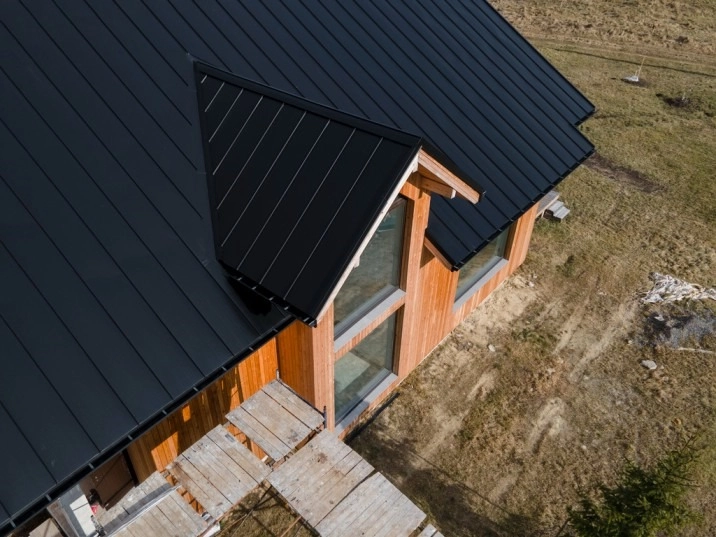
A metal roof costs roughly two to three times more than asphalt shingles to install on a Front Range home, and for most Colorado homeowners it's worth it: the Class 4 hail rating, 40- to 70-year lifespan, and lower cooling costs at altitude offset the upfront price over a long hold. The tradeoffs — higher initial cost, potential for dents in severe hail, and rain noise without proper insulation — are real but manageable with the right installer and detailing.
What a metal roof is
A metal roof is made of interlocking panels or sheets, commonly steel, aluminum, zinc or copper, engineered to shield a home from weather while shedding snow and rain more efficiently than shingles. Standing seam, corrugated and stone-coated steel are the three profiles most common on Front Range homes, each with different price points and solar-mounting compatibility.
Pros of a metal roof in Colorado
Longevity
Metal roofs commonly last 40 to 70 years, compared with 18 to 25 years for asphalt shingles on the Front Range. For homeowners planning to stay in a Colorado home for decades, that's one roof replacement instead of two or three.
Hail and wind durability
Metal roofing carries a Class 4 impact-resistance rating, the highest tier available, which matters directly on the Front Range given the volume of hail claims Colorado insurers process every hail season, mid-April through mid-September. Where asphalt shingles crack, bruise or lose granules, a metal roof holds up with at most cosmetic denting.
Energy efficiency at altitude
Metal reflects solar heat rather than absorbing it, which matters under Colorado's intense summer sun at elevation. Homeowners commonly report cooling cost reductions in the range of 10% to 25% after switching to a reflective metal roof, easing the load on air conditioning during the hottest Front Range afternoons.
Fire resistance
Metal roofing carries a Class A fire rating, the top tier, which matters for homes near Colorado's wildland-urban interface along the foothills from Boulder to Colorado Springs. Metal does not ignite or spread flame the way older wood shake roofing can.
Low maintenance
Metal requires far less upkeep than shingles over time — no cracking, curling or granule loss to track. Routine inspections and occasional debris clearing are commonly all a metal roof needs to stay in good condition for decades.
Talk to the Kenna Real Estate Group
Deciding between a metal roof upgrade before you sell or a lighter-touch repair, the Kenna Real Estate Group at Keller Williams DTC can tell you which move pays off faster in your specific Front Range neighborhood. Call or text 303-955-4220. A live person answers. Not a robot, not a phone tree. Then search every home for sale in Colorado while the project is fresh in mind.
Cons of a metal roof in Colorado
Higher upfront cost
Installing a metal roof on the Front Range commonly runs $8 to $16 per square foot, well above the $3 to $7 per square foot for asphalt shingles. On a typical 2,200 square foot roof, that's a meaningful difference in cash outlay even though the long-term cost per year of service frequently favors metal.
Potential for dents
Severe Front Range hailstorms produce hailstones large enough to dent metal roofing, particularly thinner aluminum or lighter-gauge steel panels. The roof still functions after a dent, but cosmetic appearance can suffer, which matters more to some homeowners than others.
Rain and hail noise
Without proper insulation and underlayment, metal roofing amplifies the sound of rain and hail inside the home, which some Front Range residents find disruptive during a summer storm. A solid underlayment and attic insulation largely solve this; ask your installer to detail sound dampening as part of the bid rather than treating it as an afterthought.
Rust potential on steel panels
Uncoated or damaged steel panels can develop rust over time, though Colorado's dry climate slows this compared with humid regions. Aluminum and zinc resist corrosion better and are worth the modest price premium on a home near irrigation systems or in areas with higher moisture exposure.
Cost comparison for the Front Range
| Roofing material | Cost per sq ft installed | Typical lifespan on the Front Range |
|---|---|---|
| Asphalt shingles | $3 to $7 | 18 to 25 years |
| Stone-coated steel | $7 to $12 | 40 to 60 years |
| Standing seam metal | $9 to $16 | 50 to 70 years |
Does metal roofing help a Colorado home sale?
Buyers touring Front Range homes increasingly ask about roof material and age, and a newer metal roof is a straightforward selling point — it signals lower near-term maintenance and frequently a lower insurance quote for the next owner. If you're weighing this upgrade against a move out of state, it's worth looking at how the same material performs elsewhere: examples of metal roofing in Austin, TX show how the material holds up against a different hail and heat profile, useful context if a Colorado-to-Texas relocation is part of your plan.
HOA and permit rules for metal roofs on the Front Range
Most Front Range HOAs and metro districts require architectural review before a roof material or color change, including a switch from shingles to metal. Submit panel samples and color options as part of the request, since some associations restrict reflective or bright finishes. Denver, Aurora, Colorado Springs, Lakewood and most surrounding cities require a building permit for the re-roof itself; unincorporated Arapahoe, Douglas and Jefferson County issue permits through their own building departments, and timelines vary by season, so apply well before your installer's scheduled start date.
Choosing an installer for a Colorado metal roof
Metal roofing performance depends heavily on installation quality — correct fastening patterns, properly lapped seams, and flashing detailed for Colorado's freeze-thaw cycle all affect how the roof performs over decades. Get at least three bids from licensed, insured contractors with metal-specific experience, not just general roofers who occasionally install metal. Ask each bidder for references on Front Range homes at least five years old so you can see how their work has held up through a few hail seasons.
Repair vs. full replacement on an existing metal roof
Metal roofs rarely need full replacement the way asphalt does, but individual panels get repaired or swapped after a severe dent or a failed seam without redoing the entire roof. A qualified metal roofing contractor can match panel profiles and finishes closely enough that a spot repair blends into the existing roof, which keeps repair costs well below what a full asphalt tear-off would run for comparable damage. Ask for the printable metal roof comparison checklist in the form below and we email it the same day, with cost ranges by profile side by side.
Where to go next
- See which exterior upgrades add the most resale value
- Get help relocating to or from Colorado
- Metal roofs with integrated solar panels
- Roof replacement costs and materials in Colorado
- Check current Front Range market reports
- Search every home for sale in Colorado
Talk to the Kenna Real Estate Group
Whether a metal roof upgrade is part of your plan to sell, or you're weighing it as a buyer looking at a home's roofing material, the Kenna Real Estate Group can help you put a number on it before you commit. Call or text 303-955-4220. A live person answers. Not a robot, not a phone tree. Then search every home for sale in Colorado while the project is fresh in mind.
Homes for sale that match this post
Guides
Questions about any home in Colorado? Call or text 303-955-4220. A live person answers.