.jpg)


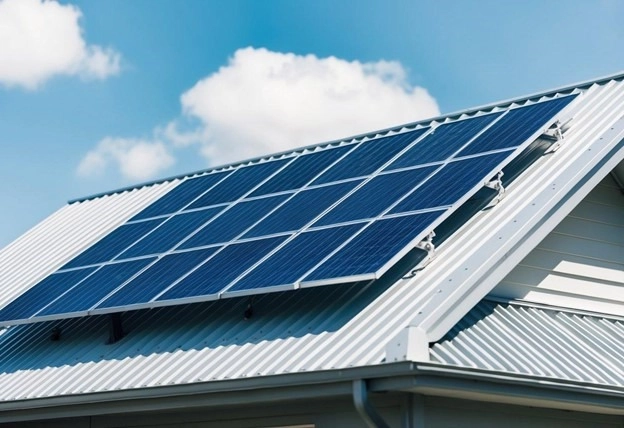
A metal roof with integrated solar panels costs more upfront than asphalt shingles with a bolt-on solar array, but on the Front Range the combination answers two problems at once: metal carries the highest hail-impact rating available, and solar cuts an Xcel Energy bill that climbs every summer. For a homeowner planning to stay in a Colorado home past the 10-year payback point on solar, the combination is worth the extra cost. For a shorter hold, a standard roof with solar added separately routinely pencils out better.
Why metal and solar pair well on a Front Range roof
Metal roofing lasts 40 to 70 years, well past the 25 to 30 year working life of most solar panel systems, which means the roof outlives at least one generation of panels and never needs replacing underneath an active solar array. Standing seam metal roofs let installers like Saguaro Solar attach racking to the raised seams without drilling through the roofing material itself, which keeps the roof watertight and avoids the leak risk that comes with penetration-mounted systems on asphalt.
Hail performance: the Colorado-specific advantage
Colorado sees some of the highest hail claim volumes in the country, and metal roofing carries a Class 4 impact rating, the top tier for resisting hailstone damage. Asphalt shingles bruise and lose granules in a hailstorm that a metal roof shrugs off with, at most, cosmetic denting. Many Colorado insurers price a premium discount for Class 4 roofing; ask your carrier for the exact number for your ZIP code before you commit to the upgrade.
Energy efficiency and Xcel Energy savings
Metal roofs reflect summer sun instead of absorbing it, which reduces attic heat gain even before solar enters the picture. Paired with solar, homeowners commonly report meaningful drops in summer cooling bills. Xcel Energy, the primary electric utility across the Denver metro and much of the Front Range, offers net metering that credits solar production back against your bill; confirm current program terms and interconnection requirements with Xcel before signing a solar contract, since utility programs change from year to year.
Snow load and roof geometry
Metal's smooth surface sheds snow faster than shingles, which reduces the standing snow load a Front Range roof structure carries after a heavy spring storm. That same smooth surface affects solar racking choices: a steep pitch calls for specialized mounts to keep panels at the correct angle and prevent snow from sliding onto lower roof sections or walkways below.
Installation considerations
- Mounting system. Standing seam panels allow clamp-style racking with no roof penetrations. Other metal profiles need drilled brackets, properly flashed and sealed by an experienced installer.
- Structural capacity. Most metal roofs handle the added weight of solar panels without reinforcement, but have a structural engineer confirm this before installation on an older Front Range home.
- Roof color. Lighter metal roof colors reflect more heat, which can modestly improve panel efficiency in Colorado's intense summer sun. Harley roofing and similar specialty installers can walk through color and profile tradeoffs specific to solar integration.
Cost comparison
| Roofing option | Installed cost per sq ft | Typical lifespan |
|---|---|---|
| Asphalt shingles, no solar | $3 to $7 | 18 to 25 years on the Front Range |
| Standard metal roof | $8 to $16 | 40 to 70 years |
| Metal roof with integrated solar | $15 to $25 | 40 to 70 years (roof); 25 to 30 years (panels) |
It's true that metal roofing is pricier upfront than traditional options, but the combined lifespan of the roof means fewer replacement cycles over a 30-year hold. Compare quotes carefully: some installers price the roof and solar together, while others itemize them, which makes it worth reviewing solar system options separately from the roofing bid to see where the real cost differences sit.
Does it raise resale value on the Front Range?
Buyers on the Front Range increasingly ask about roof age and solar ownership status during a showing. A metal roof with owned (not leased) solar panels is on the whole viewed as a value-add during a Colorado home sale, while a leased system can complicate the transaction and needs to be disclosed and addressed in the purchase contract well before closing.
HOA and permit requirements for metal roofing and solar
Most Front Range HOAs run architectural review on roof material and color changes, and many have specific solar-panel placement rules covering setbacks from roof edges and visibility from the street; Colorado's solar-rights statute limits how far an HOA can restrict solar installation outright, but placement and screening requirements still apply. Denver, Aurora, Colorado Springs and most Front Range counties require a building permit for both the roofing work and the solar electrical interconnection, and the solar installer commonly handles the interconnection permit with the utility directly.
Financing the upgrade
Because a metal roof with integrated solar costs more upfront than either project alone, financing options matter. Some installers offer in-house financing tied to the solar production savings, while others recommend rolling the cost into a home equity line or a cash-out refinance. Compare the total cost of financing against the Xcel Energy bill savings and any Class 4 insurance discount before committing, since the payback math changes with interest rates.
Comparing against a standard roof plus separate solar
A homeowner who plans to move within five to seven years should compare the combined metal-and-solar project against a lower-cost path: a standard asphalt roof, or even the existing roof if it has years of life left, with a separate solar array added on top. The separate-install approach costs less upfront and keeps the two systems on independent maintenance and warranty schedules, which matters if the roof needs work before the panels reach the end of their service life. The combined install makes the most financial sense for a homeowner staying long enough to see both systems through a full cycle.
Choosing a metal profile for a Colorado roofline
Standing seam panels are the most common choice for solar integration because of the clamp-mount racking they allow, but they aren't the only metal option on the Front Range. Corrugated and stone-coated steel profiles cost less per square foot and still carry a Class 4 rating, though solar mounting on those profiles requires drilled and sealed brackets instead of clamps. The right profile depends on roof pitch, the visual style of the home, and whether solar is being installed at the same time or added later.
Maintenance over the life of a metal-and-solar roof
A metal roof with solar needs less maintenance than asphalt with a separate solar array, but it isn't maintenance-free. Panels need occasional cleaning to clear pollen and dust that settle during Colorado's dry summer months, gutters still need clearing since metal roofs shed debris quickly toward the edges, and an annual visual check of flashing points around the racking system catches problems before they become leaks. Ask for the printable metal-and-solar maintenance checklist in the form below and we email it the same day.
Where to go next
- See which exterior upgrades add the most resale value
- Browse new construction homes by area
- Metal roof pros and cons, in full
- Roof replacement costs and materials in Colorado
- Check current Front Range market reports
- Search every home for sale in Colorado
Talk to the Kenna Real Estate Group
If a metal roof and solar setup is part of what you're buying, selling or budgeting for on a Front Range home, the Kenna Real Estate Group can help you weigh the investment against your timeline. Call or text 303-955-4220. A live person answers. Not a robot, not a phone tree. Then search every home for sale in Colorado while the project is fresh in mind.
Homes for sale that match this post
- Homes with Solar Panels in Denver
- HOA Rules and Fees Guide in Denver
- Interest rates: guide
- All homes for sale in Denver
Guides
Questions about any home in Colorado? Call or text 303-955-4220. A live person answers.