New - 1 Hour Ago
.jpg)



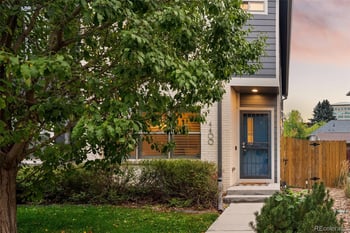
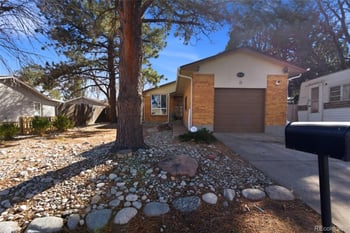
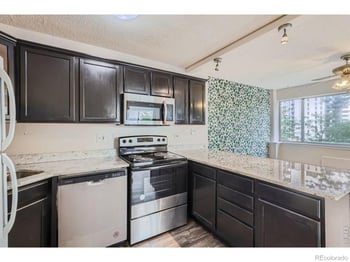
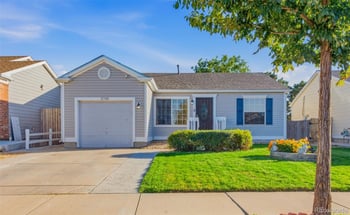
Professional listing photos change how fast a Colorado home sells and what it sells for. Front Range buyers scroll dozens of listings on their phones before they ever call an agent, and a Denver metro home with sharp, well-lit photos gets more showings in its first two weeks on the market than one with a handful of dark, wide-angle shots.
Yes. A listing's photos are the first showing most buyers ever take. Buyers browsing REcolorado-fed sites and portals decide within seconds whether to open a listing or scroll past it, and a listing they skip never gets a showing request. Homes with bright, accurate, well-composed photos draw more clicks, more saved searches, and more requests to tour in person.
Budget $150 to $400 for a standard interior and exterior package from a local real estate photography team. Add $100 to $250 for drone or aerial shots and $75 to $150 for a twilight exterior. Compared to a price reduction a week or two into a stale listing, a photography package is a small line item against the home's pricing strategy; see our Denver metro seller pricing strategy for how the two work together.
Shoot interiors mid-morning to early afternoon, when the sun is high enough to fill rooms with even light but not yet at the harsh overhead angle that creates hot spots on hardwood and tile. Save the exterior for late afternoon, when low-angle light brings out texture in siding, stone, and landscaping instead of flattening it.
Denver sits at 5,280 feet, and UV exposure at that altitude is stronger than at sea level. Midday sun through south- and west-facing windows can blow out highlights and cast hard shadows across a room faster than a photographer expects at lower elevations. Open blinds, turn on every interior light, and let the photographer meter for the room, not just the window.
No. Colorado's hail season runs spring through September, and a blue tarp on the roof in a listing photo tells a buyer there is unresolved storm damage before they read a word of the description. Get the roof repair or replacement scheduled, reshoot the exterior once the tarp is gone, and disclose the hail history in the seller's property disclosure regardless of what the photos show.
Plan for 25 to 40 photos covering every room, both bathrooms, the kitchen from two angles, storage areas like closets and the garage, and a full set of exterior and yard shots. A listing with only 8 or 10 photos reads as unfinished to a buyer who is used to scrolling a full gallery before they decide whether to request a showing.
Physical staging still tests best for occupied homes and higher-end Front Range listings, because buyers can walk into the exact room they saw online. Virtual staging works well for vacant homes and investment flips where furnishing the space isn't worth the cost. Whichever route you pick, the listing description should say the photos are virtually staged so a buyer isn't surprised at the showing.
Stray cords, a reflection in a mirror, or a recycling bin at the curb can survive even careful staging. Tools that remove unwanted objects with AI clean up those small distractions without changing anything a buyer would actually see at the showing. The line is real features: never use editing to add furniture that isn't there, change a paint color, or erase a structural issue. A buyer who tours a home that doesn't match its photos loses trust in the listing and the agent representing it.
A single twilight exterior shot, taken 20 to 30 minutes after sunset with interior and landscape lighting on, gives a listing a strong lead photo that stands out in a scrolling feed of daytime shots. It works best on homes with good curb lighting or mountain-facing views; skip it on a plain elevation with no landscape lighting.
A dusting of snow is fine and reads as honest. A yard buried under a foot of snow hides the landscaping a buyer wants to see, so if you're listing between November and March, plan the exterior shoot around a clear day, or keep an archived summer exterior photo on file to add once the snow melts and update the gallery.
Homes in foothill and wildland-interface areas along the Front Range benefit from photos that show cleared brush, trimmed tree limbs, and a maintained gravel or stone perimeter near the house. That defensible space reassures a buyer's insurance search before they even ask their agent about coverage.
Many Front Range communities, including Highlands Ranch under HRCA and various metro districts, set rules on yard décor and where a for-sale sign can sit. Check the covenant before you stage the front yard for photos so nothing in the shot has to come down before the sign goes up.
Photos have to represent the home as it actually is. Wide-angle lenses used past about 24mm equivalent start to stretch a room's proportions, which draws buyers to a showing that then feels smaller than the photos promised. Shoot straight, keep the lens correction modest, and let the room's real dimensions carry the listing.
| Smartphone (DIY) | Professional Photographer | |
|---|---|---|
| Cost | $0 | $150 to $400 |
| Turnaround | Same day | 24 to 48 hours |
| Lighting control | Limited, phone auto-exposure | Full manual exposure and lighting balance |
| Best for | A quick price-drop refresh | The listing's first launch on the MLS |
The Kenna Real Estate Group schedules photography, staging, and pricing together so a Front Range listing launches ready to compete from day one. Call or text 303-955-4220. A live person answers. Not a robot, not a phone tree. Ready to see what's on the market first? Search every home for sale in Colorado.
Questions about any home in Colorado? Call or text 303-955-4220. A live person answers.
It isn't required, but Front Range buyers scroll through dozens of listings on their phones, and homes with professional photos draw more showing requests in the first two weeks than DIY photos do.
Budget $150 to $400 for a standard interior and exterior package, with drone shots adding $100 to $250 and a twilight exterior adding $75 to $150.
No. Repair the roof and reshoot once the tarp is gone. Disclose the hail history on the seller's property disclosure form separately from the photos.
Yes, as long as the listing discloses that the photos are virtually staged so a buyer isn't surprised when they tour the empty rooms in person.
Yes. Denver's elevation of 5,280 feet means stronger UV and harsher midday light through windows, so photographers shoot interiors mid-morning or early afternoon to avoid blown-out highlights.
A light dusting is fine. Heavy snow covering the yard hides landscaping, so plan the exterior shoot around a clear day or keep an updated summer photo on file.
Yes, for removing small distractions like cords or reflections. Editing should never add furniture, change paint colors, or hide a real defect a buyer would see at the showing.
Plan for 25 to 40 photos covering every room, both bathrooms, storage areas, and a full set of exterior shots.