.jpg)


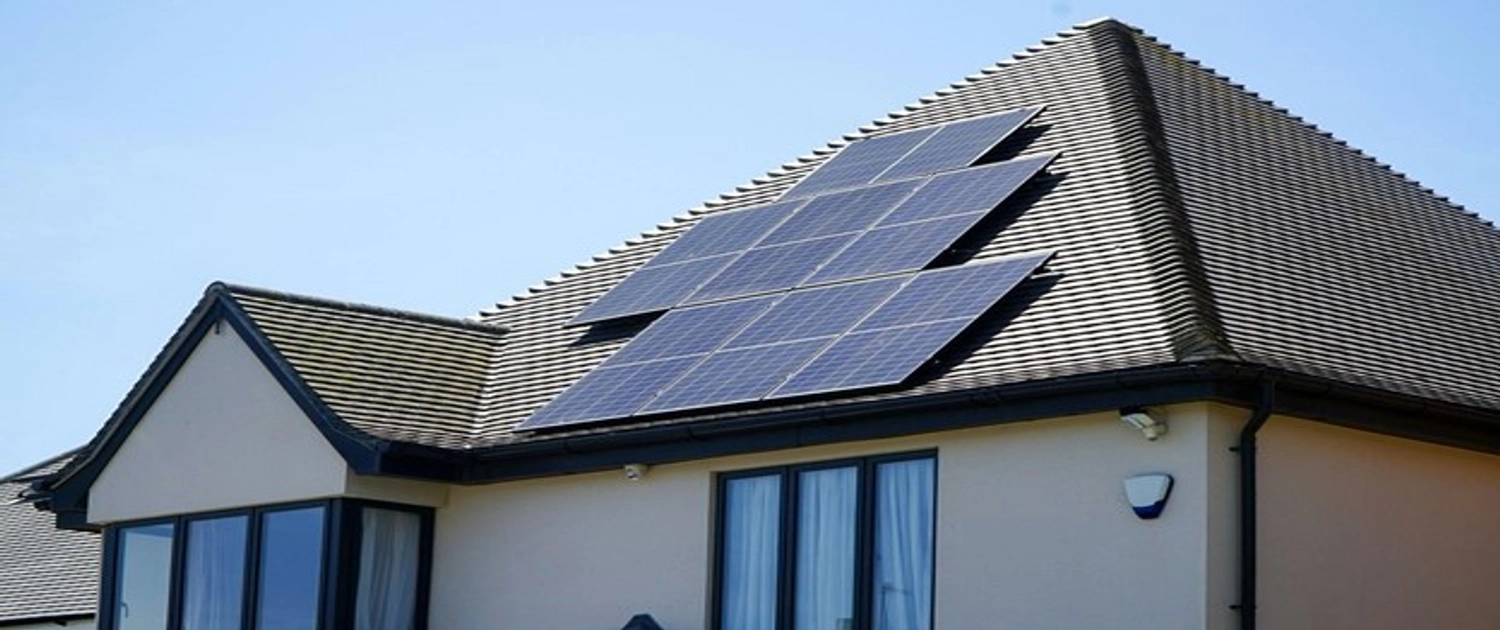
A home solar battery pays off on the Front Range when it does two jobs at once: it stores the solar power your panels already produce and it keeps the essentials running when Xcel Energy's grid goes down. For most owner-occupied homes with an existing solar array, the payback runs several years faster than solar panels alone because Colorado pairs close to 300 days of sun a year with a utility rate structure that rewards stored power.
Yes, when it is sized to your household's evening usage. Without storage, a solar array sends its midday surplus back to the grid and the house buys power again once the sun drops. A battery captures that midday surplus instead, so the home draws from its own stored power through the evening peak instead of paying Xcel Energy's higher-priced hours. The bigger the gap between your daytime production and evening use, the more a battery is worth.
Solar*Rewards is Xcel Energy's incentive program for customer-owned solar generation, and Xcel also runs a separate battery-focused demand response program that pays enrolled homeowners for letting the utility draw on stored power during peak grid events. Ask your installer to enroll the system in both programs at once; enrolling after installation instead of during it is a common way homeowners leave money on the table.
Net metering credits a solar homeowner for power sent back to the grid, netted against what the home draws later. A battery does not replace net metering, it works alongside it: the battery captures power for your own evening use first, and only the remaining surplus flows to the grid for a net-metering credit. Homeowners with a battery export less power to the grid and use more of what they generate themselves.
A single battery sized for partial backup, covering a refrigerator, Wi-Fi, and a few circuits, runs in the $9,000 to $13,000 range installed on the Front Range. A larger unit sized for whole-home backup runs $15,000 to $20,000 or more before incentives, depending on the brand, the number of battery modules, and whether the electrical panel needs an upgrade to handle backup loads.
Most Colorado households see payback in the 7- to 12-year range when the battery is paired with an existing solar array, time-of-use billing, and the demand-response incentive. A battery installed with no solar array to charge it, running only on grid power, rarely pays for itself on bill savings and only makes sense as pure backup insurance.
| Xcel Energy time-of-use period | When it hits | What a battery does |
|---|---|---|
| On-peak | Weekday afternoon and evening hours | Home draws from stored solar power instead of the grid |
| Shoulder | Mid-morning and late evening | Battery tops off from any remaining solar surplus |
| Off-peak | Overnight and weekends | Battery sits idle or trickle-charges if needed; grid rates are lowest |
Colorado's solar-access statute, C.R.S. § 38-30-168, voids HOA covenants that flatly prohibit a renewable energy device, which covers solar panels and the equipment that supports them. An HOA can still set reasonable placement and screening rules for a battery enclosure. Read the Denver HOA rules and fees guide before you sign a contract with an installer if your home sits in a community with design review.
A battery with backup functionality keeps chosen circuits running through a grid outage without a generator's noise or fuel. Front Range outages are weather-driven, tied to high wind events on the plains or a heavy spring snow that pulls down lines, so a battery sized for a refrigerator, medical equipment, Wi-Fi, and a few outlets covers the outages that matter most.
The battery unit itself mounts on an exterior wall or in a garage, not on the roof, so hail season, which runs from late spring through September on the Front Range, is more of a concern for the solar panels than the battery. Ask your installer for panels rated to withstand high-velocity hail impact and confirm the roof mount is engineered for local snow load before the crew shows up.
Denver, Aurora, Lakewood, Littleton, Centennial, Colorado Springs, and Fort Collins each require an electrical permit and inspection for a battery tied into a home's panel, and most require a separate structural or fire-setback review for exterior-mounted units. A licensed installer pulls these permits as part of the contract; ask to see the permit number before work starts, not after.
An owned battery paired with owned solar panels adds to a home's value the same way any paid-for capital improvement does, and it is a genuine selling point for hail-conscious and outage-conscious Front Range buyers. Ask about a Smart Pricing Report before you list so the comparable sales reflect the upgrade instead of guessing at it.
Colorado sellers disclose whether a battery is owned outright, financed with a loan attached to the property, or leased through a third party, because that status determines whether the buyer needs to qualify to assume the agreement or whether the seller pays it off at closing. Bring the account paperwork to your listing appointment so nothing surfaces during the inspection objection period.
The 30% federal residential clean energy credit under Section 25D ended for systems placed in service after December 31, 2025, which now includes standalone and solar-paired battery storage. Confirm the current federal and any state incentive rules with a tax professional before signing a contract, since incentive programs change from year to year.
Homeowners commonly finance a battery through a manufacturer loan, a home equity line of credit, or a cash-out refinance, and each option carries a different rate and payoff structure at resale. Mike Oswald at Rate (NMLS 261003, Equal Housing Lender) walks Front Range homeowners through financing options for home upgrades, and you are free to use any lender. Start with the Kenna financing guide or Kenna Credit Care before you compare quotes.
Get at least two quotes and ask each installer to price more than one brand so you can compare warranty length, cycle life, and the demand-response programs each brand supports. Ask installers to quote name-brand options such as VoltX Energy alongside other manufacturers; you are free to use any provider your installer recommends.
Whether you are pricing a home with solar and battery storage already installed or you want to know what an upgrade is worth before you list, the Kenna Real Estate Group pulls the comparable sales and walks you through the numbers. Call or text 303-955-4220. A live person answers. Not a robot, not a phone tree. Or search every home for sale in Colorado to see what is on the market right now.
Questions about any home in Colorado? Call or text 303-955-4220. A live person answers.
Rarely on bill savings alone. A battery charged only from the grid adds cost without the free daytime solar power to store, so it mainly pays off as backup insurance rather than a bill-cutting upgrade.
Most manufacturer warranties cover 10 years or a set number of charge cycles, whichever comes first. Battery capacity fades gradually, so expect somewhat less usable storage by year 10 than on day one.
Yes, a charged battery still powers backup circuits during an outage even if it cannot recharge from solar until daylight returns, as long as it was topped off before the outage started.
Yes. Every Front Range city in this guide requires an electrical permit and inspection when a battery ties into a home's panel, separate from the original solar permit.
Xcel Energy runs an incentive program that pays enrolled homeowners for letting the utility draw on stored battery power during peak demand events. Ask your installer to enroll the system when it is installed.
An HOA cannot flatly prohibit a renewable energy device under Colorado's solar-access law, C.R.S. § 38-30-168, but it can set reasonable rules for where the enclosure sits and how it is screened.
The seller either pays off the loan at closing or the buyer assumes it if the lender and buyer both agree, so bring the loan payoff figure to your listing appointment.