New - 30 Mins Ago

.jpg)


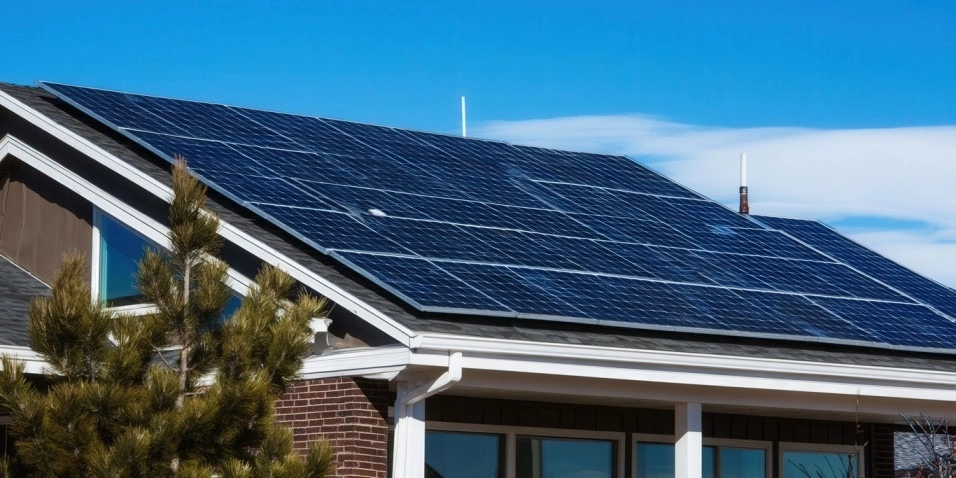
A home solar system pencils out for most Front Range homeowners in 2026, but the math changed this year: the federal tax credit that used to shave 30% off the cost is gone for new residential systems, which shifts more of the payback weight onto Colorado's sun-hours, Xcel Energy's rate structure, and how long you plan to stay in the home.
For a homeowner planning to stay put for 7 or more years, yes, largely because the Front Range gets close to 300 sunny days a year and Xcel Energy's net metering and Solar*Rewards program both still apply. For someone planning to sell within a couple of years, the math is tighter now that the federal credit is gone, and the decision comes down more to what the local market pays for solar at resale.
Yes. The 30% federal residential clean energy credit under Section 25D ended for systems placed in service after December 31, 2025. Systems installed before that date still qualify under the old rules on the return the homeowner files for that tax year. Confirm current federal and any state incentive rules with a tax professional before signing a contract, since this changed in 2025 and homeowners still quote the old 30% figure by habit.
Colorado's Front Range gets close to 300 sunny days a year, well above the national average, which means a given system size produces more usable electricity here than the same system would in a cloudier region. That higher output is one of the strongest arguments for solar in Colorado even with the federal credit gone.
Yes. Thinner air at 5,280 feet and higher scatters and absorbs less sunlight before it reaches the panel, and UV intensity is measurably higher at altitude than at sea level. Panels on the Front Range generate more power per rated watt over a year than identical panels at low elevation, though intense UV also ages unprotected wiring and mounting hardware faster, which is why quality components matter here.
Solar*Rewards is Xcel Energy's program for customer-owned solar generation, and enrolling in it alongside net metering shortens the payback timeline compared to a system that only sells excess power back at the standard net-metering rate. Ask your installer to handle Solar*Rewards enrollment as part of the installation contract rather than as a step you have to chase down afterward.
Net metering credits a solar homeowner's bill for power the system sends back to the grid, netted against what the home draws when the panels are not producing enough. It does not pay cash for the excess; it offsets future usage, which is why pairing solar with a home battery captures more of that value for households with high evening usage.
Most owned Front Range residential systems pay back in the 8- to 13-year range in 2026, longer than the 6- to 10-year range quoted before the 30% federal credit ended. A larger system sized to cover most of a household's usage, combined with Solar*Rewards enrollment, sits toward the faster end of that range.
| Factor | Owned solar system | Leased or PPA solar system |
|---|---|---|
| Resale value | Adds to home value like any paid-off improvement | Appraisers frequently do not credit it |
| Sale process | Transfers automatically with the home | Buyer must qualify to assume the lease or seller pays it off |
| Disclosure | Disclose ownership and any remaining loan | Disclose lease terms, payments, and transfer requirements |
Reputable solar panels are tested to survive high-velocity hail impact, which matters on the Front Range where hail season runs from late spring through September. Ask your installer for the specific hail impact rating on the panel model you are quoted, and confirm your homeowner's insurance covers the system before it goes on the roof.
Yes. Denver, Aurora, Lakewood, Littleton, Centennial, Colorado Springs, and Fort Collins each require an electrical permit and inspection for a residential solar installation. A licensed installer pulls these as part of the contract; ask to see the permit number before the crew is on the roof.
No. Colorado's solar-access statute, C.R.S. § 38-30-168, voids HOA covenants that flatly prohibit a renewable energy device. An HOA can still set reasonable placement and screening standards. Check the Denver HOA rules and fees guide before you sign an installation contract in a community with design review.
An owned system adds to a home's value the way any paid-for capital improvement does, and it is a real selling point for Front Range buyers thinking about their own utility costs. A leased or financed system with restrictive transfer terms can complicate a sale instead of helping it. Ask about a Smart Pricing Report before you list a home with solar already installed.
An owned system transfers with the home automatically, the same as a roof or a furnace. A leased or power-purchase-agreement system requires the buyer to qualify to assume the remaining contract, or the seller pays it off before closing, and appraisers frequently decline to credit a leased system's value at all. Know which one you have well before you list.
Colorado sellers disclose the system's ownership status, remaining lease or loan balance, monthly payment, and transfer requirements, since a buyer's lender needs this information to underwrite the loan. Bring the lease or loan paperwork to your listing appointment so it does not surface as a surprise during the inspection objection period.
Yes. A buyer's inspector or a solar-specific inspector should verify the system's age, production history, roof penetration quality, and whether the panels sit on a roof nearing the end of its own life, since replacing a roof under an existing solar array adds real cost. Raise any concerns before the inspection objection deadline in your contract closes.
Yes, commonly through a solar loan, a home equity line of credit, or a cash-out refinance, and each carries different terms that affect resale later. Mike Oswald at Rate (NMLS 261003, Equal Housing Lender) walks Front Range homeowners through financing options for a solar purchase, and you are free to use any lender. Start with the Kenna financing guide or Kenna Credit Care before comparing quotes.
Ask installers to quote both panel-only systems and an expert power solar kit bundled with storage, then compare that quote to a standalone solar with battery storage package to see which pencils out for your roof and usage before you sign.
Whether you are buying a Front Range home with solar already on the roof or deciding if it is worth adding before you sell, the Kenna Real Estate Group can walk you through what it actually adds to value in today's market. Call or text 303-955-4220. A live person answers. Not a robot, not a phone tree. Or search every home for sale in Colorado to see what is on the market right now.
Questions about any home in Colorado? Call or text 303-955-4220. A live person answers.
No. The 30% federal residential credit under Section 25D ended for systems placed in service after December 31, 2025. Systems installed before that date still qualify under the prior rules.
Not reliably. Appraisers frequently decline to credit a leased or power-purchase-agreement system, and the buyer has to qualify to assume the lease or the seller has to pay it off before closing.
No. Colorado's solar-access law, C.R.S. § 38-30-168, voids covenants that flatly prohibit a renewable energy device, though the HOA can still set reasonable placement and screening rules.
The Front Range gets close to 300 sunny days a year, which is well above the national average and boosts how much power a given solar system produces compared with cloudier regions.
Panels tested and rated for high-velocity hail impact survive Front Range hailstorms without damage. Confirm your specific panel's hail rating and your insurance coverage before installation.
Review the lease terms carefully before closing. You will need to qualify to assume the remaining payments, and the monthly lease cost should factor into your overall housing budget the same as a mortgage payment.


