New - 1 Hour Ago
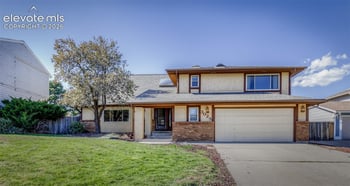
$599,900
Active
5
Beds
4
Baths
3260
Sqft
0.2681
Acres
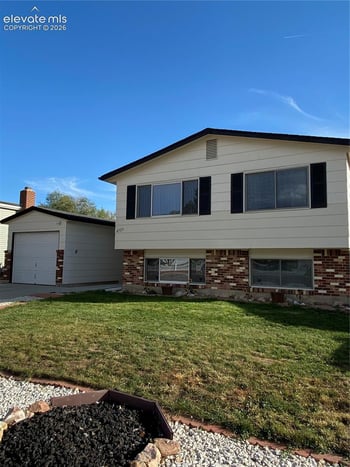
3025 Windjammer Dr, Colorado Springs, CO 80920
MLS#: 8658909
.jpg)


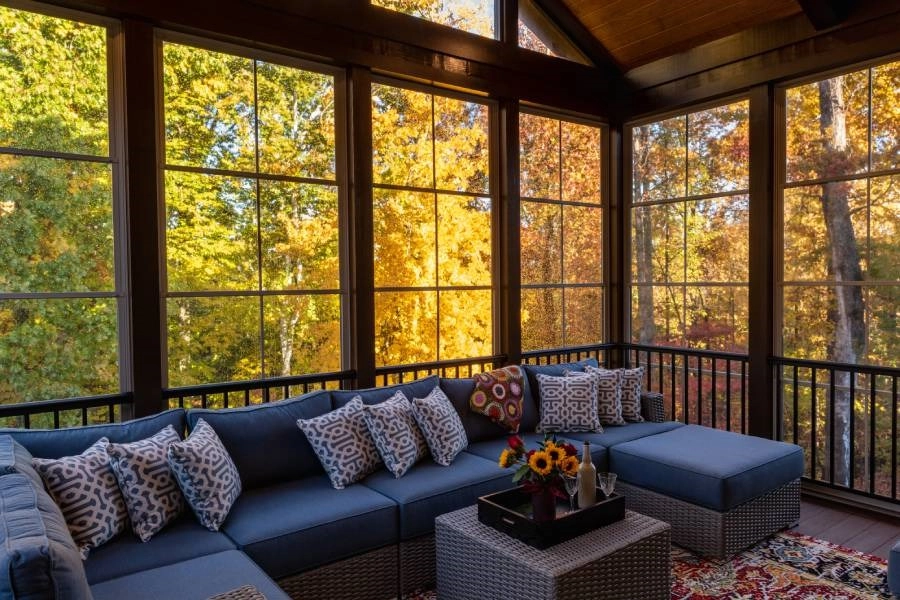
A four-season room turns Colorado's 300 days of sun into living space instead of a view through a window, and on the Front Range it's one of the additions that pays back at resale when it's built, permitted, and insulated correctly. Here's what to know before adding one.
A four-season room is insulated, heated, and cooled like the rest of the house, with energy-efficient windows built to hold a comfortable temperature through a Colorado winter and summer. A three-season porch or a screened-in space, by contrast, isn't insulated for year-round use and commonly closes down once temperatures drop. That distinction matters for both livability and for how an appraiser counts the space.
Colorado gets roughly 300 days of sun a year, and UV intensity at altitude is measurably stronger than at sea level, which means a sunroom here delivers more usable daylight than the same design almost anywhere else in the country. It also means the glass needs a UV-rated coating to protect flooring and furniture from fading faster than they would in a standard room.
Front Range days can swing 30 to 40 degrees between morning and afternoon, and a poorly insulated sunroom turns into an oven by early afternoon in summer and a cold box overnight in winter. Double- or triple-pane, low-E glass helps reduce the drastic temperature changes that a single-pane sunroom struggles with, and it's worth paying for the upgraded glass package on a Colorado build rather than retrofitting later.
Colorado's hail season runs spring through September, and a sunroom's expanse of glass and any skylights are the most exposed part of the addition. Impact-rated glass and a metal roof panel over the sunroom section cost more upfront but avoid a full glass replacement after the first significant storm.
Colorado's expansive clay soil moves with moisture and temperature changes, and a sunroom built on an undersized or shallow foundation is one of the first additions to show cracking as the ground shifts through freeze-thaw cycles. A structural engineer's review of the foundation design before the slab is poured is worth the cost on any addition, not just a sunroom.
Denver, Aurora, Lakewood, Littleton, Centennial, and Colorado Springs all require a building permit for a room addition, and most also require a separate electrical permit if the sunroom adds circuits for heating, cooling, or lighting. Where a home sits inside an HOA or metro district, architectural review is a separate step from the city permit, and it can run several weeks, so budget the timeline accordingly, covered in our Denver HOA rules and fees guide.
A four-season room on a Denver-metro home commonly runs $30,000 to $80,000 depending on size, foundation work, and glass quality. Appraisers count a properly permitted, insulated, heated sunroom as finished square footage, which supports the home's value at resale in a way an unpermitted or three-season addition doesn't.
With more Front Range professionals working remotely at least part of the week, a light-filled sunroom converts easily into a home office, and that flexible-use framing is one of the strongest selling points buyers respond to when preparing a home to sell.
Permitted square footage additions commonly trigger a reassessment at the next county valuation cycle, adding to the property tax bill. Check with the county assessor's office before building to understand the expected increase, covered in more detail in our Denver property taxes guide.
Not all sunroom glass performs the same at altitude. Low-E (low-emissivity) coated glass reflects summer heat while letting winter sun through, which matters when a single Colorado afternoon can swing from shorts weather to a jacket. Argon-filled double-pane glass adds insulation value over standard double-pane, and it's worth pricing against a triple-pane option on a room that will get heavy year-round use as a living space rather than an occasional sitting room.
| Sunroom Type | Typical Front Range Cost | Notes |
|---|---|---|
| Three-season addition (not insulated) | $15,000 to $30,000 | Lower cost, but doesn't count as year-round finished space |
| Four-season room, standard glass | $30,000 to $55,000 | Insulated, heated and cooled, standard double-pane windows |
| Four-season room, upgraded glass and foundation | $55,000 to $80,000 | Low-E argon glass, engineered foundation for clay soil, impact-rated roofing |
South- and west-facing additions capture the most winter sun but also take the hardest afternoon heat in summer, which is where the glass coating choice matters most. A north-facing sunroom stays cooler in summer with softer, more even light through the day, a tradeoff worth walking through with a contractor and, where the addition affects setbacks or sightlines, with the HOA's architectural review committee before finalizing the design.
Compared square foot for square foot, a primary bathroom or kitchen remodel commonly returns a higher share of its cost at resale than a sunroom addition, because kitchens and bathrooms sell homes on the Front Range. A sunroom's advantage is livability and daylight rather than pure return on investment, so it's the right addition for a homeowner planning to stay and use the space, and a reasonable but secondary priority for someone renovating purely to flip or sell within a year or two.
A home equity line of credit or a cash-out refinance are the two most common ways Front Range homeowners fund a four-season room, since the project size, $30,000 to $80,000, sits above most unsecured personal loan limits at a reasonable rate. Mike Oswald at Rate (NMLS 261003, Equal Housing Lender) can walk through home equity and refinance options for a Colorado addition project; you are free to use any lender. See Colorado home financing options and Kenna Credit Care mortgage readiness for the numbers before committing to a contractor's timeline.
Even a well-insulated sunroom needs a supplemental heat source on the coldest Front Range nights, and checking the seal around doors and windows each fall catches drafts before they turn into a high heating bill. Skylights need a periodic check for seal failure, since a failed skylight seal is one of the more expensive repairs on a sunroom, and Colorado's freeze-thaw cycle accelerates seal wear faster than in a milder climate.
Thinking about adding a sunroom before you list, or looking for a Front Range home that already has one? The Kenna Real Estate Group can tell you which additions actually move the needle on a Colorado sale. Call or text 303-955-4220. A live person answers. Not a robot, not a phone tree. Ready to look at homes? Search every home for sale in Colorado.
Questions about any home in Colorado? Call or text 303-955-4220. A live person answers.
A four-season room is insulated, heated, and cooled for year-round use with energy-efficient glass. A screened porch or three-season room isn't built for Colorado winters and closes down once temperatures drop.
Yes, in Denver, Aurora, Lakewood, Littleton, Centennial, and Colorado Springs. Most cities also require a separate electrical permit if the room adds heating, cooling, or lighting circuits.
Roughly $30,000 to $80,000 depending on size, foundation work, and glass quality. Impact-rated glass for hail season adds to the upfront cost but avoids a full replacement later.
In most Front Range HOA and metro district communities, yes, as a separate architectural review from the city building permit. Budget several weeks for that approval.
UV intensity at 5,280 feet is measurably stronger than at sea level, so the glass needs a UV-rated coating to protect flooring and furniture from fading faster than usual.
Permitted square footage additions commonly trigger a reassessment at the county's next valuation cycle, so check with the assessor's office before building.
Only when it's permitted, insulated, and heated to the same standard as the rest of the house. An unpermitted or three-season addition doesn't get the same appraisal credit.