


A rent-back in Colorado lets the seller stay in the home after closing, as the buyer's short-term occupant, under the Colorado Real Estate Commission's Post-Closing Occupancy Agreement (form PCO70). The form is built for 60 days or less, the rent is paid up front at closing, and a buyer who will live in the home as a primary residence cannot agree to more than 60 days. Here is how a seller rent-back works for Denver, Aurora, Lakewood and Littleton home sellers and buyers in 2026: what the form says, what to charge, who pays the utilities and what happens if the seller does not move out on time.
Call or text 303-955-4220. A live person answers. Not a robot, not a phone tree.
60 days Longest term the rent-back form is built for Colorado Real Estate Commission PCO70; longer needs a residential lease | 2 months Security deposit cap in the form Collected only when the rent is monthly (PCO70 section 16) |
24 hours Notice before the buyer enters Emergencies need no notice (PCO70 section 6) | 65% Denver metro sales with a seller concession October 2026, average $12,557 (DMAR) |
A rent-back, also called a seller rent-back or post-closing occupancy, is a short agreement that lets the seller keep living in the home after the sale closes. The buyer owns the house from closing day. The seller pays the buyer rent for the extra days and moves out by an agreed Possession Date and Possession Time. In Colorado, brokers use the Colorado Real Estate Commission's form PCO70, the Post-Closing Occupancy Agreement, which has been mandatory for use since January 1, 2026.
Sellers ask for a rent-back to buy their next home with cash from this sale, to line up a job move or a lease, or to avoid moving twice. Buyers agree to one to win a home, or as a concession in a slower market. With 65% of October 2026 Denver metro sales involving a seller concession (DMAR), a rent-back is a real bargaining chip on both sides of the table.
| PCO70 section | What it says | What to decide |
|---|---|---|
| Top note | Short-term occupancy only, a term of 60 days or less; a residential lease is used for anything longer | Keep the rent-back at 60 days or under |
| 2 Agreement | Conditional upon closing; if closing does not happen, the agreement is void | Sign it with the contract, not after |
| 3 Possession | Seller stays from closing through the Possession Date and Time; seller can leave early with 5 days written notice | Pick the move-out date and time |
| 4 Maintenance | Buyer handles heating, cooling, plumbing, electrical, roof and structure; seller keeps up the lawn, landscaping and snow removal | Agree who calls whom for repairs |
| 6 Buyer access | Buyer can enter with at least 24 hours notice, or without notice in an emergency | Plan contractor visits early |
| 8 Rent | Rent for the whole term is paid to the buyer in advance at closing; a box says whether unused rent is refunded | Set the amount and the refund box |
| 11 and 12 Utilities | Boxes for who pays water and sewer, and electric and gas | Check one box on each line |
| 13 and 14 Insurance | Seller renter’s policy will or will not be carried; buyer carries an owner’s or landlord policy from closing | Call both insurance agents before closing |
| 16 Security deposit | Only with monthly rent; capped at two monthly rent payments; returned within 30 days after the term per Colorado law | Set the deposit, if any |
| 10 Failure to vacate | A seller who does not leave is subject to eviction and court-awarded damages | Write a firm Possession Date |
The buyer owns the house on closing day. The rent-back only decides who sleeps there, and for how long.
Sixty days or less on the Commission form. The PCO70 note says the form is only for short-term occupancy of 60 days or less and that a residential lease is used for a longer term. Section 3 adds that if the buyer will occupy the home as a principal residence, the term cannot exceed 60 days after closing. That lines up with the Fannie Mae Selling Guide (B2-1.1-01): a principal residence is a home the borrower occupies within 60 days after signing the mortgage. A buyer who agrees to a longer stay puts the owner-occupied loan at risk, so talk to the lender before you sign anything past a few weeks.
The form leaves the number to the buyer and seller, so there is no state rate. A simple starting point is the buyer's own daily cost of owning the home. On the October 2026 Denver metro detached median of $645,000 (DMAR), a buyer putting 20% down at the Freddie Mac 30-year average of 7.21% (November 25, 2026) pays about $3,506 a month in principal and interest, which works out to about $115 a day before taxes, insurance and HOA dues. Our lender partner can run your exact number. Use the Colorado mortgage calculator and Colorado mortgage rates today to price your own rent-back.
Buyer principal and interest covered by a rent-back, $645,000 home, 20% down, 7.21% (DMAR Oct 2026, Freddie Mac Nov 25, 2026)
Some buyers waive the rent for a short stay to win the house. That is a concession with a real dollar value, so count it next to any price cut or closing cost credit. Read seller concessions for Colorado buyers to compare.
1 | Ask for it in the offer or counteroffer Check the Post-Closing Occupancy Agreement box in CBS1 section 31.1.1 and attach the signed form. Pair it with the home sale contingency if the seller is also buying. |
2 | Set the Possession Date and Time Write the exact move-out date and time in PCO70 section 3. It replaces the Possession Date in the contract deadline table. |
3 | Agree on rent, deposit and refunds Fill in the rent paid at closing, the refund box for an early move-out and any security deposit (two months of rent at most, monthly rent only). |
4 | Switch the insurance and utilities The buyer binds an owner or landlord policy from closing. The seller decides on a renter’s policy. Check the utility boxes. |
5 | Do the walkthrough twice Walk the home before closing, then again at move-out to check its condition against closing day. See our final walkthrough in Colorado checklist. |
The seller becomes a holdover occupant. PCO70 section 10 says a seller who does not timely surrender possession is subject to eviction and liable for damages a court awards. CBS1 section 17 adds a per-day amount, written into the contract, from the Possession Date until the seller leaves, and lets the buyer claim actual damages above that amount. The prevailing party in a dispute collects attorney fees under PCO70 section 17. A firm date and a deposit keep most rent-backs on schedule.
Sellers. A rent-back lets you sell first, close, and use the money for your next home without moving twice. Ask for it up front, keep it under 60 days and budget for the rent. Start with a home value estimate, then read cost to sell a house in Colorado and buy before you sell in Colorado.
Buyers. Offering a short rent-back can win a home without raising the price. Get the occupancy rule from your lender in writing, keep the term inside 60 days, and collect the rent at closing. Pair it with our earnest money in Colorado and inspection objection guides.
The Colorado market. Denver metro closings fell 23.54% from a year earlier in October 2026 (DMAR), and condos and townhomes sat at more than seven months of supply. In a market like this, terms such as a rent-back matter as much as price. See is Denver a buyer’s or seller’s market.
What to watch out for (what not to do)
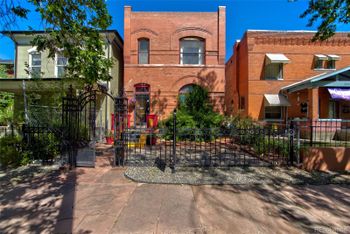
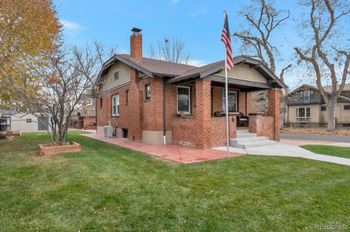
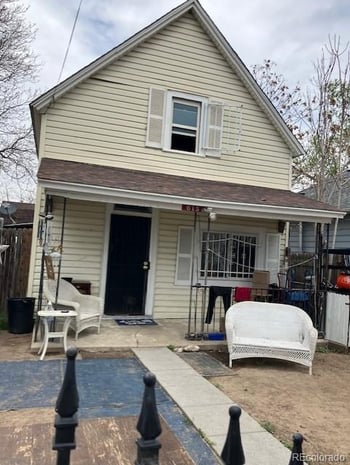
These Denver houses between $600,000 and $900,000, the price range near the October median, are pulled live from the MLS every time you open this page.

A rent-back lets the seller stay in the home after closing and pay the new owner rent. In Colorado it is written on the Colorado Real Estate Commission's Post-Closing Occupancy Agreement, form PCO70, which has been mandatory since January 1, 2026.
The Commission form is for 60 days or less, and a residential lease is used for anything longer. If the buyer will live in the home as a primary residence, the term cannot exceed 60 days after closing.
The buyer and seller set the rent. A simple starting point is the buyer's daily cost of owning the home. On a $645,000 home with 20% down at 7.21%, principal and interest come to about $115 a day before taxes, insurance and HOA dues.
The form has boxes for who pays water and sewer and who pays electric and gas during the term. Any other utility the seller uses is the seller's to pay.
The seller faces eviction and court-awarded damages under the occupancy agreement, plus the per-day amount written into section 17 of the Colorado contract, and the prevailing party collects attorney fees.
Call The Kenna Group at Keller Williams DTC at 303-955-4220. A live person answers. Our brokers write rent-backs into offers for sellers and buyers in Denver, Aurora, Lakewood and Littleton.
Yes. Sell your current home with a rent-back of up to 60 days, close, and use that money to buy. The Kenna Group at Keller Williams DTC (Keller Williams Realty DTC, LLC) times both sides. Call 303-955-4220.
Call or text 303-955-4220. A live person answers. Not a robot, not a phone tree.
Colorado rent-back disclosure: this guide to a seller rent-back, the Post-Closing Occupancy Agreement (PCO70), possession after closing, the Possession Date and Possession Time, rent-back rent, the rent-back security deposit, holdover and eviction after closing in Colorado summarizes the Colorado Real Estate Commission Post-Closing Occupancy Agreement and Contract to Buy and Sell Real Estate (Residential), both adopted August 5, 2025 and mandatory since January 1, 2026, and the Fannie Mae Selling Guide occupancy rule, read on November 26, 2026. Your signed contract, your occupancy agreement and your loan documents control your deal; older contracts signed on earlier forms read differently. The payment example uses the Freddie Mac weekly average rate and the DMAR October 2026 detached median price; it is principal and interest only, not a loan offer, and your own rate, taxes, insurance and HOA dues change the number. This is general real estate information for Denver, Aurora, Lakewood, Littleton, Centennial, Highlands Ranch, Parker, Castle Rock, Arvada, Westminster, Thornton, Broomfield, Boulder, Fort Collins and Colorado Springs home sellers and buyers from The Kenna Group at Keller Williams DTC (Keller Williams Realty DTC, LLC). It is not legal, tax or lending advice. Real estate brokers are not attorneys: read your Colorado contract and any rent-back with your own attorney, and confirm occupancy rules with your lender before you sign.
Brian Lee Burke, the hardest working man in real estate
The Kenna Group at Keller Williams DTC. Helping You With Your Pad™. Licensed since 2003.
The Kenna Group is a real estate group with Keller Williams Realty DTC, LLC (Keller Williams DTC), serving Denver metro and Colorado home buyers and sellers.