New - 4 Hours Ago

.jpg)


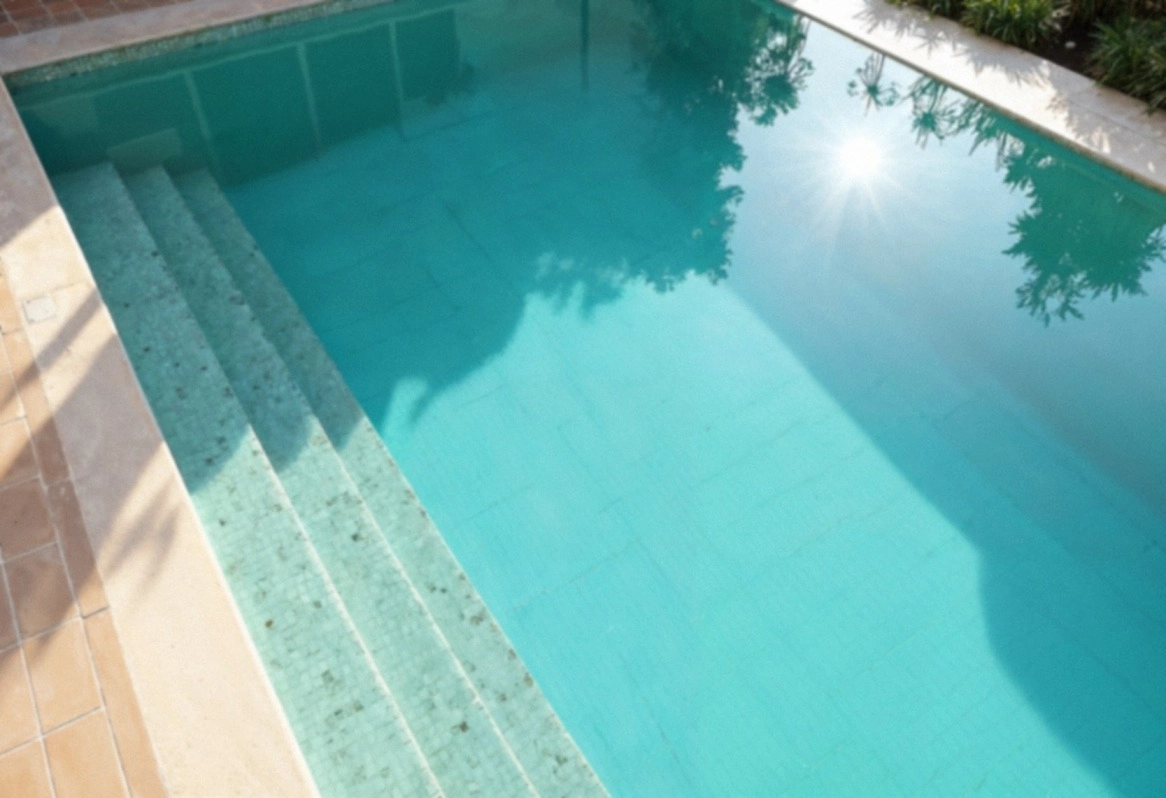
A saltwater system suits a Colorado backyard best when the pool sits close to the house on a short seasonal run, since the generator cell needs consistent warm-weather operation to keep working chlorine levels stable; a traditional chlorine system suits a pool built for flexible, on-demand chemical control through Colorado's shorter, more variable swim season. Both choices change how the layout, equipment pad and winterization plan come together on the Front Range.
Front Range pools run from around Memorial Day through mid-September, a season closer to four months than the six-plus months pools in warmer states get. A saltwater system's salt cell needs steady operation to generate chlorine efficiently, so a short, on-and-off season makes chemistry management less automatic than it looks in marketing material built for year-round climates.
Colorado's intense UV at elevation burns off unstabilized chlorine faster than it does at sea level, which pushes both saltwater and traditional chlorine pools toward stabilized chlorine products and a shaded or covered layout for the equipment pad. A pergola or shade sail over the pad extends the working life of both a salt cell and a standard chlorinator.
Testing water chemistry more frequently during the sunniest weeks of a Front Range summer catches chlorine burn-off before it lets algae take hold, a faster cycle than pool owners in a cloudier, lower-elevation climate need.
Front Range tap water runs hard, and hard water combined with a salt system's mineral load accelerates scale buildup on tile lines and heater elements faster than a straight chlorine pool sees. A layout with an accessible, serviceable equipment pad and a pre-filter matters more for saltwater pools drawing on Colorado's mineral-heavy water supply.
A water softener on the fill line before the pool's first fill cuts down on the mineral load a saltwater system has to fight from day one, which extends the interval between descaling services on the heater and cell.
Both systems need a full winterization before the first hard freeze: draining lines below the frost line, removing the salt cell or chlorinator for storage, and covering the pool against snow load. A saltwater system's cell should come out and dry over winter to avoid corrosion damage, while a traditional chlorinator needs its lines blown clear to prevent the freeze-thaw cracking that damages Front Range pool plumbing every winter a step gets skipped.
Denver, Aurora, Lakewood, Littleton, Colorado Springs and Fort Collins all require a building permit for an inground pool, along with an inspected barrier fence meeting a minimum height and a self-latching gate under the adopted building code. Setback distances from the property line and from the house's foundation vary by city, so confirm the exact number with your building department before finalizing the layout.
Many Front Range HOAs require architectural review before an inground pool is approved, and some communities restrict pools outright or limit them to lots over a minimum size. Check your covenants before finalizing a saltwater versus chlorine layout, since equipment pad placement and fencing both need sign-off in most communities.
A custom inground pool on the Front Range runs well into six figures once excavation through clay soil, equipment, decking and fencing are included, and custom inground pools built for the local climate and code hold up better long-term than a generic design. Colorado's short season means a pool rarely returns its full cost at resale, but it does widen the buyer pool in higher price brackets on lots suited for outdoor living.
A saltwater system costs more upfront for the salt cell and generator, but spends less on packaged chlorine over a season. A chlorine pool costs less to install but carries an ongoing chemical bill that adds up over years of Front Range summers. Over a decade of Colorado's shorter season, the two systems land closer in total cost than the marketing for either one suggests, so the layout and equipment pad access matter as much as the chemistry choice.
Factor the salt cell's replacement cost into the saltwater math as well, since the cell wears out every several years of use and its replacement price offsets a meaningful share of the chemical savings a saltwater pool otherwise delivers.
A rated, load-bearing cover or a solid winter cover spanning the full pool keeps snow load off the water surface and blocks debris from Front Range wind storms, and a cover rated for the regional snow load protects the pool structure through a heavy spring storm cycle. An automatic cover costs more but saves the seasonal labor of installing and removing a cover by hand each year.
A layout with a dedicated, shaded, accessible equipment pad, drainage routed away from the foundation, and enough deck space for winterization equipment supports either a saltwater or chlorine system equally well. Deciding the water chemistry before finalizing the excavation plan avoids a costly mid-project change to plumbing or the equipment pad.
A pool builder with Front Range experience already knows which cities require an engineered shell design for clay soil, how long each jurisdiction's permit review runs, and which HOAs need extra lead time for architectural approval. A builder new to Colorado's specific soil and code conditions costs a homeowner time and, in some cases, a redesign after the first round of city plan review comes back with corrections.
Excavation and gunite or vinyl liner work go faster once the ground softens past the last hard frost, which on the Front Range clusters around Mother's Day most years, and filling and starting the water chemistry too early risks a late cold snap stressing new plaster or a liner seam. Builders who plan a groundbreaking date around the local frost calendar, rather than a fixed calendar date, get more usable pool days out of Colorado's short season in the finished pool's first year.
A pool started in late winter for a spring finish competes with every other Front Range homeowner doing the same thing, so booking a builder's schedule months ahead of the intended groundbreaking date matters as much as the water chemistry choice itself.
The Kenna Real Estate Group helps Front Range buyers weigh a pool's real upkeep cost against its resale value before they make an offer, and helps sellers position a pool correctly for Colorado's short swim season. Call or text 303-955-4220. A live person answers. Not a robot, not a phone tree. Or search every home for sale in Colorado to find a backyard built for a pool.
Questions about any home in Colorado? Call or text 303-955-4220. A live person answers.
A chlorine pool gives more flexible, on-demand chemistry control through Colorado's shorter season, while a saltwater system works best when it runs consistently and gets a proper winter shutdown each year.
Most Front Range pools run from around Memorial Day through mid-September, closer to four months than the six or more months pools in warmer climates get.
Yes. Hard tap water combined with a salt system's mineral load speeds up scale buildup on tile and heater elements, so a serviceable equipment pad and pre-filter matter more here than in areas with soft water.
Yes. Denver, Aurora, Lakewood, Littleton, Colorado Springs and Fort Collins all require a building permit along with an inspected barrier fence and self-latching gate before an inground pool passes final inspection.
Lines need draining below the frost line, the salt cell or chlorinator removed for storage, and the pool covered against snow load before the first hard freeze to prevent the freeze-thaw cracking that damages unwinterized plumbing.
A pool rarely returns its full installation cost at resale given Colorado's short season, but it widens the buyer pool for higher-priced listings on lots suited for outdoor living.