$370,000
Active
--
Beds
--
Baths
--
Sqft
10.17
Acres
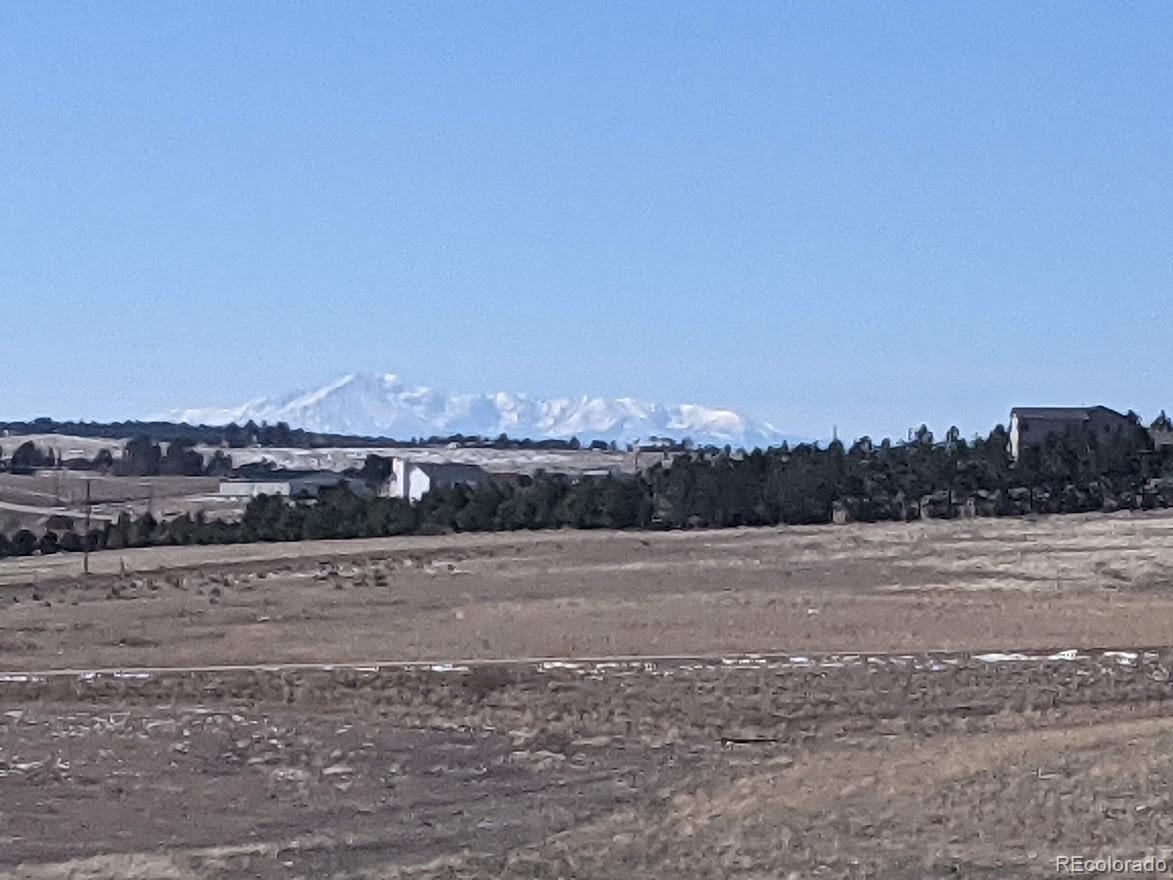
44324 N Wrangle Ct Lot 4-5, Parker, CO 80138
MLS#: 9880367
.jpg)



A Colorado landowner who offers seller financing sells faster, reaches buyers a bank turns away, and collects interest on the balance. The trade is a wait for the full price and the work of a lender: a promissory note, a deed of trust recorded with the county, a servicer for the payments and, if the buyer stops paying, a Public Trustee foreclosure.
This guide covers how owner-carry land sales work in Colorado, the Colorado Real Estate Commission forms brokers use, what down payment and term Front Range sellers ask for, the default timeline under Colorado law, and how the IRS taxes an installment sale. For the basics of carrying a note on any property, read the complete beginner's guide to seller financing in real estate first.
The seller deeds the land to the buyer at closing. In exchange the buyer signs a promissory note for the unpaid balance and a deed of trust that pledges the land as collateral. The title company records the deed and the deed of trust with the county clerk and recorder in the same closing. The buyer owns the land; the seller holds a lien on it until the note is paid.
Colorado brokers do not use a contract for deed for this. The deed plus deed of trust structure is what the Commission forms are built for and what title companies insure.
The downside is real. The seller waits years for the full price, does a lender's paperwork, and takes the land back through foreclosure if the buyer defaults. A seller who needs the cash this year should list for a cash buyer instead; the selling land in Colorado for cash post covers that path.
The Colorado Real Estate Commission publishes the forms licensed brokers must use. For an owner-financed land sale the set is:
A broker fills these out; a title company or a Colorado real estate attorney prepares the note and deed of trust and records them. For a note with unusual terms, an attorney drafts it.
Colorado is a deed-of-trust state. Every Colorado county has a Public Trustee, a public officer who holds the power of sale on every deed of trust recorded in that county. When a borrower defaults, the lender files with the Public Trustee, not a private trustee. This is why a Colorado seller-financed note is enforceable in months rather than years.
There is no statute setting these. Front Range practice on vacant and agricultural land runs in these ranges:
| Term | Front Range range on land | What drives it |
|---|---|---|
| Down payment | 10% to 30% of price | Buyer credit, whether a home or well is on the land, how fast the seller wants the cash back |
| Amortization | 15 to 30 years | Keeps the monthly payment affordable |
| Balloon | 3 to 10 years | Seller gets paid off when the buyer refinances or sells |
| Interest rate | Above the bank rate for the same land | Compensates the seller for the risk a bank refused |
| Late charge | Set in the addendum, 5% of the payment is common | Written into the note |
A 20% down payment on a $400,000 parcel is $80,000 at closing and a $320,000 note. Once the buyer builds a home on the land, the buyer refinances with a conventional lender and pays the balloon; a home on the parcel is what makes bank money available. Mike Oswald, VP of Mortgage Lending at Rate, NMLS 261003, Equal Housing Lender, runs those payoff refinances for Kenna buyers. You are free to use any lender. See the Colorado home financing guide.
The federal loan-originator rules under Dodd-Frank cover consumer loans secured by a dwelling. Bare land with no house on it and no house going up under the loan is outside them. Once a home sits on the land, or the buyer will live in a home built with the financing, the rules reach the seller, with two exclusions written for private sellers: one for a person who finances a single property in a 12-month period, and a broader one for a seller who finances a small number of properties a year and meets fixed-rate and ability-to-repay conditions. The single-property exclusion permits a balloon; the other does not.
Colorado also licenses mortgage loan originators through the Division of Real Estate. A seller who carries notes on several parcels a year is in different territory from one selling their own parcel once. Have a Colorado real estate attorney confirm which exclusion the sale fits before the addendum is signed.
After a missed payment the seller sends the notice the note requires. If the buyer does not cure, the seller's attorney files a Notice of Election and Demand with the county Public Trustee, who records it and mails notices to the buyer and every junior lienholder.
Colorado statute sets the sale date window from the day the notice is recorded: 110 to 125 days for most land, 215 to 230 days for land the county assessor classifies as agricultural. Before the sale the seller obtains a district court order under Rule 120 confirming the default. The buyer keeps the right to cure by paying the missed amounts plus costs until the deadline set by the Public Trustee before the sale. If no one cures and no one outbids the seller at the sale, the seller takes the land back, keeps the down payment and every payment made, and owns any improvements the buyer added.
Budget attorney fees, Public Trustee fees and publication costs. The Denver foreclosure process timeline walks through each step from the borrower's side.
A seller-financed sale of land held for investment is an installment sale under federal law, reported on Form 6252. The seller recognizes gain in proportion to the principal received each year and reports the interest as ordinary income. Land held more than one year gets long-term capital gains treatment on the gain portion. Colorado taxes the same income at its flat state rate.
A seller who elects out of the installment method pays all the gain in the year of sale, and a seller who sells the note later recognizes the deferred gain then. Land that produced depreciation deductions carries recapture rules. Run the numbers with a Colorado CPA before pricing the note. The tax strategies for Colorado real estate investors post lists the questions to bring.
Use a loan servicer or the title company's servicing arm, not a personal checking account. The servicer collects payments, tracks principal and interest, escrows taxes and insurance, sends the buyer a year-end interest statement, and gives the seller a clean payment history if the note is ever sold or foreclosed. Fees run in the tens of dollars a month.
A seller who wants cash before the balloon sells the note to a note buyer at a discount. Notes with a large down payment, 12 months or more of on-time payments and a buyer with decent credit sell at the smallest discount. The how to sell a mortgage note in Colorado post covers pricing and paperwork.
Sell for cash when the land is priced for a bank-financed or cash buyer and the seller needs the money within the year. Carry the note when the parcel has sat, when banks will not lend on it, when the seller wants monthly income, or when spreading the gain lowers the tax bill. Many Kenna sellers list both ways: a cash price and a higher owner-carry price with stated terms in the MLS remarks. The what Colorado landowners should know before selling vacant property post covers marketing the parcel, and the Smart Pricing Report gives a written price before it goes live.
The Kenna Real Estate Group, Keller Williams DTC, lists Front Range and Eastern Plains land with a cash price and an owner-carry price, writes the Seller or Private Financing Addendum, and brings the title company, servicer and attorney to the table. Call or text 303-955-4220. A live person answers. Not a robot, not a phone tree. Then search every home for sale in Colorado to see what the land around yours is listed at.
Questions about any home in Colorado? Call or text 303-955-4220. A live person answers.
Yes. The Colorado Real Estate Commission publishes a Seller or Private Financing Addendum, a promissory note and a deed of trust for exactly this. The deed of trust names the county Public Trustee, which is what makes it enforceable.
Front Range sellers ask 10% to 30%. Ask for the high end on bare land with no well, and less when a home or water is already on the parcel and the buyer has strong credit.
Colorado sets the Public Trustee sale 110 to 125 days after the notice is recorded for most land and 215 to 230 days for land classified as agricultural, plus the time to get a Rule 120 court order. Plan on four to nine months.
Yes, when the seller completes the foreclosure and takes the land back at the sale, along with every payment received and any improvements the buyer added.
No. Under the installment method the gain is recognized as principal comes in, and the interest is ordinary income each year. A seller can elect out and pay it all up front. Confirm the plan with a Colorado CPA.
Only if the deed of trust allows it. The Commission's due-on-transfer deed of trust lets the seller demand payoff when the buyer sells; the assumable version lets a new buyer take over with the seller's approval.
The title company or a Colorado real estate attorney prepares them from the terms in the addendum, and the title company records the deed of trust at closing.

