New - 5 Hours Ago

$485,000
Active
3
Beds
3
Baths
1919
Sqft
0.075
Acres
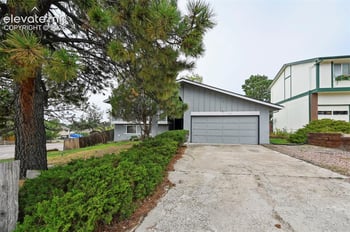
6358 Levity Hts, Colorado Springs, CO 80924
MLS#: 7379073
.jpg)


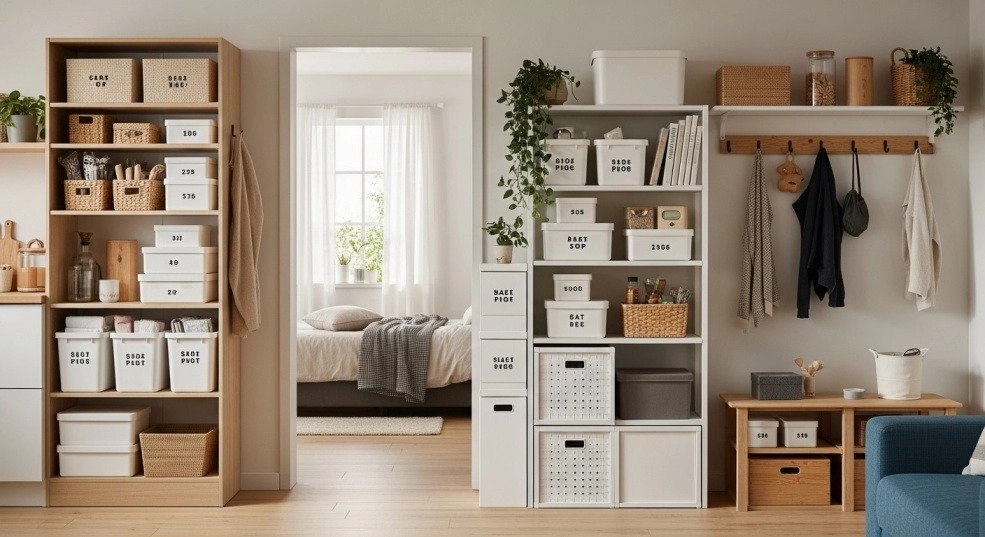
A closet that reads as half-empty and a kitchen with clear counters photograph as more square footage than they measure, and on the Front Range, where listing photos decide which homes get a showing, storage is one of the highest-return fixes before a home goes live.
Buyers scrolling listings online judge a home's livability from photos before they ever schedule a showing, and a cluttered counter or an overstuffed closet reads as a lack of storage even in a home with plenty of it. The preparing and adding value before selling guide covers which pre-listing fixes, storage included, return the most at closing on the Front Range.
Vertical shelving, wall-mounted hooks, and furniture with built-in compartments free up visible floor space, which reads as a larger room in both photos and in person. Stackable, uniform containers photograph more cleanly than mismatched bins left in an open closet, and swapping visible storage to matching containers before a shoot is one of the fastest, lowest-cost fixes on any pre-listing checklist.
A condo or townhome in Denver, Lakewood or Aurora benefits most from maximizing what's already built in, since square footage is limited and buyers at that price band are judging function over volume. A single-family home in Colorado Springs, Parker or Castle Rock has room for a full mudroom or garage storage system, which Front Range buyers touring larger homes actively look for given the gear, from bikes to skis, that a Colorado household stores through the year.
Drawer dividers and pull-out racks keep utensils and cookware visibly organized, and clear containers for pantry staples photograph cleanly and read as an organized kitchen rather than a cluttered one. Clearing counters of small appliances before every shoot and every showing does more for a kitchen's perceived size than any single storage product.
Denver Water and most Front Range utilities deliver moderately hard water, and moisture-resistant, recessed compartments such as shower niches need a quick wipe with a vinegar-water solution before showings to prevent visible mineral spotting on tile and glass. Mirrored cabinets and sealed shelving keep toiletries out of sight while resisting the humidity a bathroom generates even in Colorado's otherwise dry climate.
Storage ottomans, modular wardrobe inserts, and adjustable closet shelving adapt a bedroom or closet to look organized regardless of how much a seller actually owns, and clearing closets to about half-full before photos makes even a small closet read as ample storage. Keeping surfaces clear in the primary bedroom supports the sense of calm buyers respond to during a showing.
Powder-coated metal and sealed, finished wood both hold up better than raw or untreated wood in the Front Range's dry climate, and woven natural materials add texture without the risk of the warping that untreated wood pieces show over a long listing period. Browse storage organization options built for durability before choosing pieces for a pre-listing refresh.
Humidity along the Front Range sits in the teens and low 20s in percentage most of the year, and wood storage pieces, particularly rented staging furniture brought in from a more humid climate, can develop cracks and loose joints within weeks without added humidity. A portable humidifier set to 35% to 45% relative humidity in the main staged rooms protects both new storage pieces and a seller's existing wood cabinetry.
Front Range HOAs, especially in condo buildings across Denver, Highlands Ranch and Centennial, commonly regulate what goes on a balcony, patio or in a shared hallway, and some limit exterior storage sheds in single-family communities. Confirm HOA rules before adding an exterior storage structure or a visible balcony storage unit ahead of listing.
A recessed shower niche or similar tile work that doesn't move plumbing lines needs no permit in most cases, but a project that relocates a shower valve or adds new waterproofing behind a wall can require a permit from the City and County of Denver or the relevant county building department. Confirm the scope with a licensed contractor before work starts on anything beyond a surface-level storage update.
Removing roughly a third of the items in an average room before photos, then storing them off-site or in a rented storage unit, is a habit most Front Range stagers recommend, since a room with fewer, better-placed items photographs as more spacious than the same room fully furnished. This applies to garages and basements too, both of which read as unusable clutter in photos when packed with gear.
Budget $200 to $800 for closet organizers, containers and small hardware upgrades in an entry-level condo or townhome, and $1,000 to $3,000 for a mudroom or garage storage system in a larger single-family home. These costs sit well below a full renovation budget and return more in perceived value than their price in most cases.
Schedule storage upgrades first, since a stager can then work with an already-organized home rather than fighting clutter during the staging walk-through. A pre-listing consultation two to three weeks before photos gives enough time to add shelving, swap containers and clear closets before the staging and photography schedule locks in.
A Smart Pricing Report weighs which pre-listing improvements are worth the spend for a specific home and price band, and storage upgrades are consistently among the lower-cost, higher-return items on that list. The pricing your Colorado home to sell page explains how this report factors into a listing strategy, and comparing it against recent sales on the same block gives a seller a realistic range before setting a list price.
Ask for the printable pre-listing storage checklist in the form below and the Kenna Real Estate Group emails it the same day, room by room, sized to a Front Range condo, townhome or single-family listing.
The Kenna Real Estate Group walks Front Range sellers through which storage and organization fixes matter most before photos, based on the home's price band and condition. Call or text 303-955-4220. A live person answers. Not a robot, not a phone tree. Ready to see what's already on the market? Search every home for sale in Colorado.
Questions about any home in Colorado? Call or text 303-955-4220. A live person answers.
Clearing counters and closets to about half-full and swapping visible bins for matching containers takes a weekend and reads as significantly more storage in photos.
Yes. Front Range water is moderately hard, so recessed niches and glass need a vinegar-water wipe before showings to prevent visible mineral spotting.
Untreated or rented wood pieces can develop cracks and loose joints in Colorado's low humidity. A portable humidifier set to 35% to 45% in staged rooms protects both new and existing wood.
Tile work that doesn't move plumbing lines needs no permit in most cases; relocating a valve or adding new waterproofing behind a wall does need one from the local building department.
Many Front Range HOAs regulate what goes on a balcony, patio or shared hallway and can limit exterior storage sheds, so confirm the rules before adding one ahead of listing.
Budget $200 to $800 for closet organizers and containers in a condo or townhome, and $1,000 to $3,000 for a mudroom or garage system in a larger single-family home.
Before. A stager works faster and more effectively in an already-organized home, so handle closets, cabinets and garages two to three weeks ahead of the staging walk-through.
Storage upgrades themselves are a small line item, but the perceived space they create in photos and showings supports faster offers closer to list price, which is where the real return shows up.