.jpg)


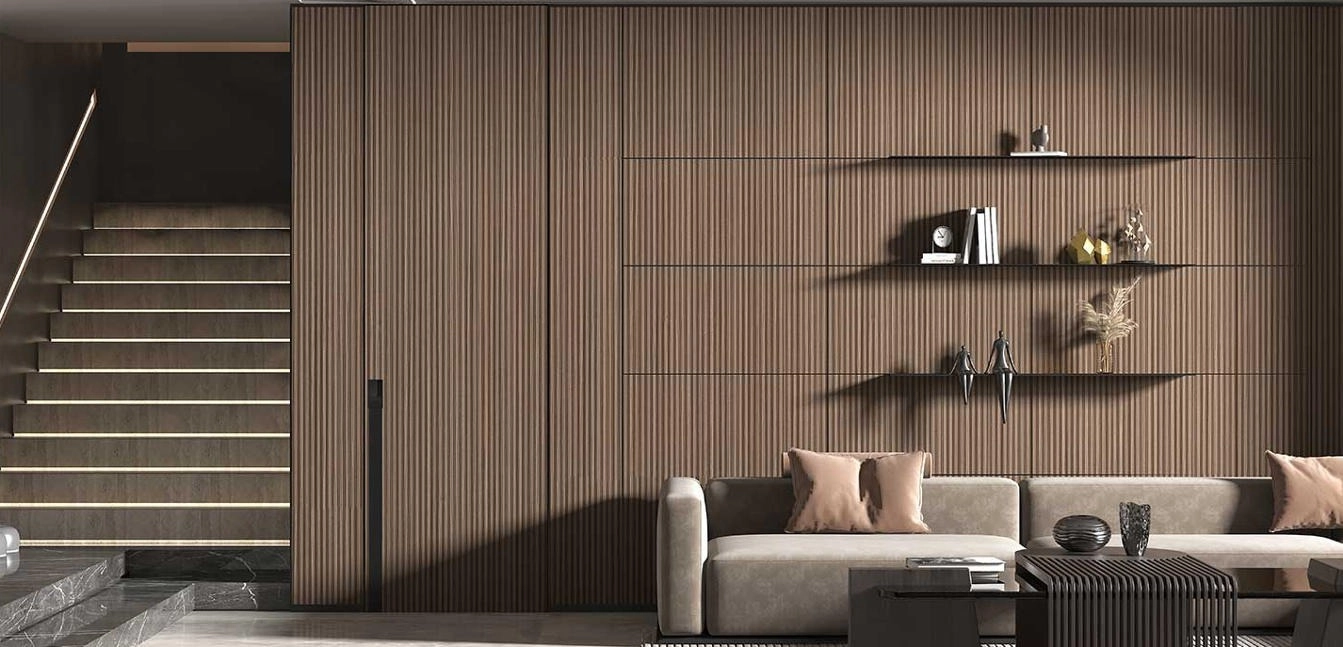
The modern urban lifestyle brings a unique challenge that profoundly affects our wellbeing: noise pollution. Whether it's the rumble of traffic, footsteps from upstairs neighbors, or the hum of appliances, unwanted sound intrusions disrupt sleep, increase stress levels, and diminish the quality of our home environments. The science of acoustic management has evolved dramatically, with various materials and techniques now available to create quieter, more peaceful living spaces.
Understanding Sound Transmission
Sound travels through air and solid materials as vibrations. Effective soundproofing requires strategies addressing airborne noise (conversations, music, TV) and impact noise (footsteps, dropped objects). The most successful approaches combine materials that absorb sound waves, block their transmission, dampen vibrations, and decouple structures to prevent sound transfer.
Have you ever noticed how different materials in your home respond to sound? Tap on a hollow door versus a solid concrete wall, and you'll instantly recognize the significant variation in sound reflection and transmission. This simple observation reveals the foundational principle of acoustic management: material density and construction directly affect sound behavior.
Modern Soundproofing Materials
Acoustic Panels and Foam
Acoustic panels are the frontline defense against reverberations and echoes within a room. These panels, typically made from compressed mineral wool, fiberglass, or foam, absorb sound waves rather than allowing them to bounce back into the space. While traditional panels offer limited aesthetic appeal, modern versions come disguised as artwork, decorative wall features, or textured design elements.
According to Zhang et al.'s 2025 research published in the Journal of Materials Research and Technology, "Improved sound absorption with 3D-printed micro-perforated sandwich structures" has demonstrated significant advancements in sound absorption technology. These innovative 3D-printed acoustic panels feature precisely engineered micro-perforations that target specific frequency ranges, offering 30% better performance than traditional acoustic panels while requiring less material and space.
In my experience consulting on urban apartment renovations, strategic placement of acoustic panels dramatically transforms the auditory experience of a space. Clients often express surprise at how effectively well-placed panels eliminate the "hollow" feeling of minimalist modern apartments with their hard surfaces and open layouts. The key lies not in covering every available surface but identifying and treating primary reflection points where sound waves bounce off walls, ceilings, or large furniture pieces.
Mass-Loaded Vinyl (MLV)
Mass-loaded vinyl represents one of the most versatile sound-blocking materials available for residential applications. This thin, dense material contains metal particles within a vinyl matrix, creating substantial mass without excessive thickness. MLV effectively blocks airborne sound transmission when installed inside walls, under flooring, or as a barrier layer in composite soundproofing systems.
Case studies show that properly installed MLV can reduce sound transmission by 25-30 decibels—the difference between clearly hearing a conversation through a wall and perceiving only a muffled murmur. This material proves particularly valuable in rental situations where structural modifications are limited, as it can be applied to existing walls and removed later without permanent alterations.
Looking for a Realtor Referral in China?
Let us help you. Call or Text Kenna Real Estate Group at 303-955-4220 to get personalized assistance from our expert real estate agents. Find out what your home is worth in today's market.
Acoustic Insulation
Traditional thermal insulation provides minimal soundproofing benefits, as its primary purpose centers on thermal resistance rather than acoustic properties. Specialized acoustic insulation, however, combines density and fiber structure specifically engineered to trap sound waves.
The global Acoustic Market research indicates significant growth, with rock wool holding a dominant position with a "43.5% share" of acoustic insulation materials in 2025. Its popularity stems from exceptional fire resistance and superior sound absorption capabilities, making it ideal for wall cavities and ceiling installations in new construction and renovation projects.
When comparing insulation options, the acoustic performance of materials varies dramatically. While standard fiberglass batts might offer a Sound Transmission Class (STC) rating increase of 3-4 points when added to a wall, specialized acoustic mineral wool can improve the same wall by 8-10 STC points—a significant difference in perceived noise reduction.
Green Acoustic Solutions
The environmental impact of building materials has driven innovation in sustainable soundproofing options. Recycled cotton insulation, created from post-industrial denim waste, offers similar acoustic performance to traditional fiberglass without respiratory irritants or petroleum-based composition. These materials align with broader green building initiatives while addressing noise concerns.
Have you considered how your soundproofing choices might affect indoor air quality and environmental footprint? Many conventional acoustic materials contain volatile organic compounds (VOCs) or formaldehyde that off-gas into living spaces, potentially trading noise pollution for chemical pollution.
Composite Soundproofing Systems
Resilient Channels and Sound Isolation Clips
Decoupling—physically separating connected building elements to prevent vibration transfer—is one of the most effective structural soundproofing strategies. Resilient channels and sound isolation clips create a floating framework that holds drywall away from studs, interrupting the direct path that vibrations would otherwise follow through solid materials.
In my experience renovating pre-war apartments with shared walls, resilient channel systems consistently outperform simple mass-adding approaches when dealing with structurally transmitted noise. The system's effectiveness comes from breaking the rigid connection between materials, creating a sound break within the wall assembly.
Composite Drywall Solutions
Standard drywall offers minimal sound-blocking capability, but composite drywall systems can dramatically improve acoustic performance. These specialized panels combine layers of gypsum with sound-damping compounds or incorporate viscoelastic polymers that convert sound energy into heat through microscopic friction.
The Sound Insulation Felt Market research published in 2025 highlights that "over 60% of modern construction projects" now integrate soundproofing solutions as standard practice, with multilayer acoustic materials gaining significant market share. These composite systems address the limitations of single-material approaches by combining blocking, absorbing, and damping mechanisms in integrated solutions.
Case studies consistently demonstrate that composite approaches yield superior results to single-material solutions. A typical interior wall with standard construction might achieve an STC rating of 35-38, while the same wall utilizing composite drywall, acoustic insulation, and resilient channels can reach STC 55-60—approaching the threshold where even loud sounds become nearly imperceptible.
Looking for a Realtor Referral in China?
Let us help you. Call or Text Kenna Real Estate Group at 303-955-4220 to get personalized assistance from our expert real estate agents. Find out what your home is worth in today's market.
Application Strategies for Common Noise Problems
Wall Treatments for Shared Living Spaces
Walls shared with neighbors or between rooms with different activities present common soundproofing challenges in apartments and homes. Effectively treating these surfaces requires understanding both the physics of sound transmission and the space's practical limitations.
The layered approach yields optimal results: adding mass with additional drywall or MLV to block sound, incorporating damping compounds between layers to convert vibration to heat, and decoupling methods to prevent structural transmission. Each element addresses a different aspect of sound behavior, creating a comprehensive barrier against noise intrusion.
In my experience working with urban apartments, treating even one wall that shares a boundary with a noisy neighbor can transform the livability of a space. Clients often report that selective soundproofing delivers more satisfaction per dollar invested than many other home improvements, directly enhancing daily comfort and wellbeing.
Floor and Ceiling Solutions
Impact noise from footsteps travels easily through structural elements, making it one of the most common complaints in multi-story living situations. Effective floor treatments combine underlayment materials that absorb impact, mass layers that block airborne sound, and sometimes floating floor systems that decouple the walking surface from the structural floor.
Have you noticed how different flooring materials dramatically change a space's acoustic signature? The hollow echo of footsteps on hardwood versus the muted steps on carpet illustrates how material choices fundamentally alter sound behavior. This principle guides professional soundproofing strategies for floor assemblies.
Doors and Windows: The Weak Links
Even with well-soundproofed walls, untreated doors and windows often become acoustic weak points where sound readily passes. Solid-core doors provide significantly better sound blocking than hollow-core versions, while acoustic door seals and sweeps eliminate gaps where sound waves easily penetrate. If you want cost-effectiveness, consider purchasing doors and windows from China.
The Acoustic Market report notes a significant trend toward "acoustic glass" applications in both residential and commercial settings. Specialized laminated glass can reduce sound transmission by up to 50% compared to standard window installations. These advanced glazing solutions address one of the most challenging aspects of residential soundproofing.
Practical Implementation for Renters and Homeowners
Non-Destructive Solutions for Rental Properties
Renters face unique challenges in soundproofing, as permanent modifications may violate lease agreements. Fortunately, numerous effective temporary solutions exist: freestanding acoustic panels, heavy curtains, area rugs over hard floors, OPPEIN soundproof interior doors, and furniture placement strategies that significantly improve acoustic comfort without structural changes.
In my experience advising apartment renters, strategic furniture arrangement often provides surprisingly effective noise mitigation. Positioning bookshelves against shared walls creates a valuable mass that blocks sound transmission, while upholstered furniture pieces absorb sound waves that would otherwise reverberate through the space.
Looking for a Realtor Referral in China?
Let us help you. Call or Text Kenna Real Estate Group at 303-955-4220 to get personalized assistance from our expert real estate agents. Find out what your home is worth in today's market.
DIY vs. Professional Installation
While many soundproofing materials can be installed as DIY projects, others require specialized knowledge and tools for proper implementation. Understanding which approaches suit amateur installation versus those demanding professional expertise helps homeowners make informed decisions about their soundproofing strategies.
Case studies consistently show that improper installation significantly reduces the effectiveness of acoustic materials. The difference between professional and amateur installation of identical materials often results in 30-40% variation in noise reduction, highlighting the importance of proper technique in acoustic treatments.
The Future of Acoustic Management
The soundproofing industry continues evolving, with innovations like "AI-integrated acoustic sensors" and "smart acoustic panels" emerging as next-generation solutions. These technologies adapt to changing noise environments, providing dynamic sound management rather than static barriers. As urban density increases and more people work from home, the demand for effective acoustic solutions will likely accelerate these technological advances.
Have you imagined a living space that actively responds to changing sound environments rather than passively blocking noise? This vision guides current acoustic research, suggesting that tomorrow's soundproofing solutions may incorporate responsive technologies that adapt to specific noise signatures and changing environmental conditions.
The quest for quieter living spaces ultimately reflects a more profound human need for control over our immediate environment. Whether through traditional materials or cutting-edge technologies, effective soundproofing transforms living spaces from places of stress and distraction into sanctuaries of calm and focus—a transformation with profound implications for our physical and mental well-being in an increasingly noisy world.
Related Articles
- The Future of Housing: Why Co-Living Apartments Are Gaining Popularity in Los Angeles
- Why Sectional Sleepers Are the Smartest Choice for Apartments and Studios
- The Role of Branding in the Luxury Real Estate Market
If you’re planning a move from Colorado to China and need a reliable real estate agent in your new location, Kenna Real Estate Group is here to help. Thanks to our extensive network of trusted professionals across the country, there's a good chance we can connect you with an agent who will provide the same exceptional service you’ve come to expect from us. Contact Kenna Real Estate Group today, and we'll ensure you're in good hands as you transition to your new home.