$22,500,000
Active
5
Beds
10
Baths
13284
Sqft
82.8
Acres
7484 N 49th St, Longmont, CO 80503
MLS#: IR1011156
.jpg)


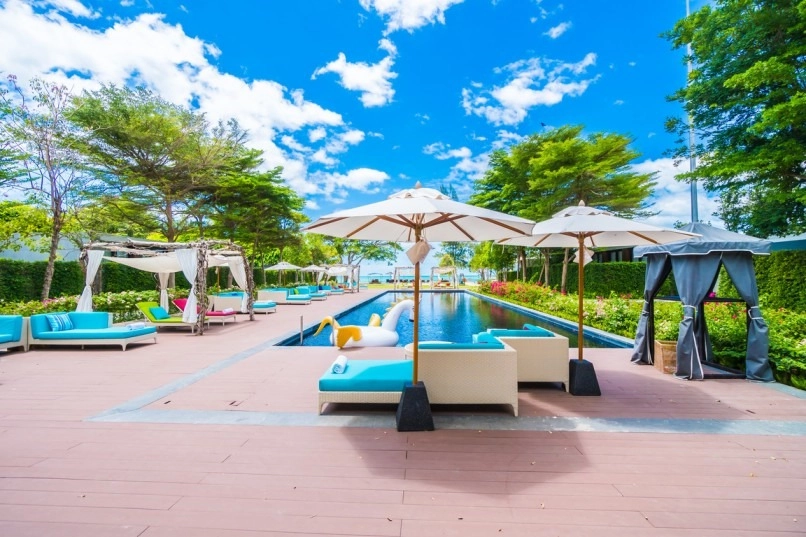
Front Range pool season is short, and a spring pool party works best when it is planned around Colorado's own calendar rather than a warmer state's. Most Denver metro pools open once overnight lows hold consistently above 45 degrees and hail season has started to settle into its normal afternoon pattern, which is later than pool-opening dates in warmer climates.
Denver's growing season starts late and a hard freeze can still hit into the season, so pool professionals across Denver, Aurora, Lakewood and Littleton do not recommend opening and heating a pool for a party until overnight lows are reliably above 45 degrees. Colorado Springs and Fort Collins, both at higher elevation or farther from the metro heat island, run about a week or two behind Denver in most years.
Check a 10-day forecast trend before locking a date. A single overnight freeze after the pool is opened and filled can crack exposed plumbing or a skimmer basket, adding a repair cost you did not plan into the party budget.
Colorado's hail season runs spring through September, with the heaviest activity on Front Range afternoons. A pool party scheduled for an afternoon carries real hail exposure; a morning or early-evening start time cuts that risk. Keep a pool cover or tarp staged near the pool during hail season so you can protect the water and any inflatable floats on short notice — a Denver metro hailstorm can form in under 30 minutes.
If hail hits mid-party, move guests indoors right away and check the pool surface and any vinyl liner for damage once the storm passes. Small dings in a liner are a repair-shop job; a cracked fiberglass shell needs a licensed pool contractor.
Denver Water's summer watering rules limit lawn and landscape irrigation to specific days and hours, and they treat filling or topping off a pool differently from sprinkler watering. Even so, some Front Range HOAs and metro districts set their own water-use rules for large fills, and a few municipal water providers ask homeowners to call ahead before filling a pool larger than roughly 5,000 gallons so the utility can plan for the demand. Call your water provider before the party, not the morning of it.
Read your HOA's pool and party rules before you send invitations. Many Front Range HOAs cap outdoor gathering size, set a music cutoff time, and require a certificate of insurance or a refundable deposit for a private party in a shared amenity area. If the pool sits on your own private lot, the HOA can still regulate fence height, cover storage and visible equipment, so confirm the rules before you buy floats or set up a canopy.
UV exposure in Denver runs about 25% higher than at sea level because there is less atmosphere to filter it, and reflection off pool water adds even more. Reapply sun protection every two hours during a spring pool party, and every 60 to 90 minutes for anyone swimming or toweling off repeatedly. Set up at least one shaded seating area — a pop-up canopy or umbrella — since Colorado's thin, dry air lets sunburn happen even when the air temperature feels mild.
Budget for three categories: opening the pool, party gear and cleanup. A set of pool floats for a group of 10 to 15 guests runs $150 to $400. Before guests arrive, testing and balancing the water chemistry — the same process described in published research on cleaning the pool water system — keeps chlorine and pH in range after the winter shutdown.
| Item | Front Range cost range |
|---|---|
| Professional pool opening (chemical balance, equipment check) | $150 - $350 |
| Pool floats and inflatables for a group party | $150 - $400 |
| Pop-up shade canopy | $80 - $250 |
| Post-party deep clean and vacuum | $75 - $150 |
Front Range spring wind regularly gusts past 30 mph, and cottonwood trees along the South Platte and Cherry Creek corridors shed fluff that collects on the water surface for several weeks each season. Run the pump and skimmer for a few extra hours the day before a party and skim manually the morning of, since one windy afternoon can undo an otherwise clean pool.
Most Front Range cities and counties require a fence at least 48 to 60 inches tall around a residential pool, with self-closing, self-latching gates, before the pool can hold water for use. Check your specific city or county building department, since Denver, Aurora, Jefferson County and Douglas County each set their own exact height and latch requirements. Confirm your fence meets code before advertising a party, not after an inspector or an insurer asks.
Call your homeowner's insurance carrier before hosting a larger gathering around water. Many policies distinguish between normal household use of a pool and a hosted event with non-household guests, and some carriers ask for a rider or added liability coverage above a set guest count.
Wind, warming water and any rain since the last check can shift pH and chlorine levels within a day. Test again the morning of the party even if the pool was balanced earlier in the week, and adjust before the first guest arrives rather than mid-party. A basic test kit costs $15 to $30 and takes less than five minutes to read.
A typical Denver metro residential pool, 14 by 28 feet or smaller, comfortably hosts 10 to 15 guests in and around the water at once, with more room on the deck for seating. Larger gatherings work better staggered across a few hours rather than a single arrival wave, both for water crowding and for keeping the deck and any grill area from becoming a bottleneck.
A late-season frost after the pool has already been opened can still catch exposed above-ground plumbing, hose bibs and pump housings off guard. Keep an eye on the extended forecast through the two weeks before a planned party, and have a simple freeze-protection plan — draping exposed pipe or running the pump overnight — ready if a cold snap is forecast.
Whether a pool adds resale value on the Front Range depends heavily on the buyer pool in your specific city — see our breakdown of whether an in-ground pool adds value to your home. In general, a pool helps more in Colorado Springs and parts of Aurora than in Denver or Littleton, but the short season means the return here is smaller than in a warmer market.
Whether you are buying a Front Range home with a pool already in the backyard or weighing whether to add one before you sell, the Kenna Real Estate Group can walk you through what a pool actually does to value in your specific neighborhood. Call or text 303-955-4220. A live person answers. Not a robot, not a phone tree. Or search every home for sale in Colorado.
Questions about any home in Colorado? Call or text 303-955-4220. A live person answers.
Once overnight lows hold consistently above 45 degrees and the risk of a hard freeze has passed, which is later in the season than in most warmer states. Colorado Springs and Fort Collins commonly run a week or two behind Denver.
It covers normal household pool use, but a larger event with non-household guests can fall outside standard coverage. Call your carrier before the party to confirm.
Most Front Range cities and counties require 48 to 60 inches with a self-closing, self-latching gate; confirm the exact number with your specific jurisdiction.
Some providers ask for advance notice on fills over roughly 5,000 gallons. Call your water provider ahead of the party rather than the morning of it.
Every two hours for guests sitting in the sun, and every 60 to 90 minutes for anyone swimming or toweling off repeatedly, since UV at 5,280 feet runs about 25% higher than at sea level.
An unprotected cover or exposed equipment left out during a fast-forming afternoon storm; keeping a cover staged nearby during hail season limits the damage.
It depends on the city. Pools help more in Colorado Springs and parts of Aurora than in Denver or Littleton, where buyers weigh the short season against upkeep.