New - 2 Days Ago
.jpg)


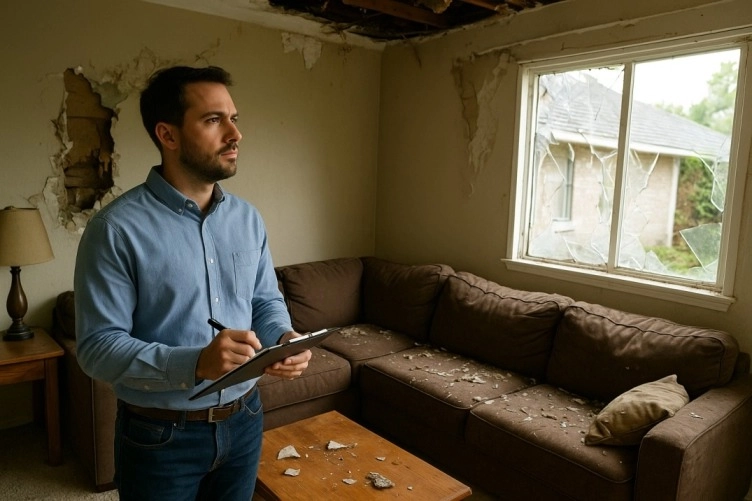
File a Colorado property damage claim by documenting the loss with photos and video, reporting it to your insurer within 24 to 72 hours, and keeping every receipt until the adjuster and the repair are both finished. The Front Range files more hail and wind claims than almost any other market in the country, and the difference between a full payout and a denied one comes down to paperwork, not luck.
Call or use the insurer's app to open the claim the same day you spot the damage, or within 24 to 72 hours at the outside. Colorado's hail season runs spring through September, and companies that write policies along the Front Range see thousands of claims land in the same week after a single storm. Filing early puts you in the queue before adjusters are booked out.
Give the insurer the date of the storm, the address, a description of what's damaged (roof, siding, gutters, fencing, vehicles, outdoor structures), and photos. Ask for the claim number and the adjuster's direct contact information in writing.
Photograph and video every affected surface before you touch anything: the roof from the ground on all four sides, close-ups of dented gutters and downspouts, cracked or starred window glass, dented AC condenser fins, dented siding and fencing, and any interior ceiling stains from a compromised roof. Chalk or circle hail hits on the roof if you can without damage see them from a ladder at the eave, and keep the photos with timestamps on your phone until the claim closes.
Colorado's unfair claims practices rules require an insurer to acknowledge a claim within 10 working days and to accept or deny it within a reasonable time after you submit proof of loss, commonly 30 to 60 days depending on the complexity of the damage. If your insurer goes silent, put the follow-up in writing and reference the claim number and the date you first reported the loss.
Most Colorado homeowners policies pay for a full roof replacement when hail has caused functional damage across enough of the roof's surface, not just cosmetic dents. The adjuster measures hail hits per test square and compares the count against the manufacturer's damage threshold. A roof with scattered hits on one slope can get a partial repair; a roof with hits across all slopes commonly qualifies for full replacement. Some Front Range insurers now write roofs on an actual cash value, cosmetic-only, or scheduled-depreciation basis specifically for roof surfaces older than 10 to 15 years, so read your declarations page before a storm, not after.
Wind claims follow the same reporting steps as hail: photograph the damage, secure the property with a tarp or board-up to stop further loss, keep the tarp receipt, and file within days. Wildfire and smoke claims add air-quality and ash-cleanup documentation; keep receipts for professional smoke remediation and any temporary housing, since additional living expense coverage reimburses both. Front Range homeowners in wildland-urban interface areas near the foothills should confirm their policy's wildfire deductible, which is sometimes a separate percentage deductible rather than a flat dollar amount.
Payouts vary by roof size, material and age, but a full asphalt-shingle roof replacement on a typical 2,000-square-foot Front Range home runs $9,000 to $18,000 before depreciation, with class-4 impact-resistant shingles at the higher end. Siding, gutter and window claims run a few hundred to a few thousand dollars each. The insurer's estimate (commonly written in software like Xactimate) should list line items for materials, labor and disposal; ask for a copy so your contractor's bid can be compared against it directly.
Most straightforward hail claims do not require a public adjuster, who works for you rather than the insurer and charges 10% to 20% of the settlement. Hiring one makes sense when the claim is large, the damage is disputed, multiple structures or a commercial building are involved, or your insurer's estimate is far below what licensed local roofers are quoting.
If your policy pays replacement cost value, the insurer cuts a first check for the depreciated (actual cash) value and holds the rest, called recoverable depreciation, until you complete the repair and submit the final invoice. Submit that invoice promptly; most policies set a window, commonly 180 days from the first payment, to claim the holdback before it's forfeited.
When you and the insurer can't agree on the amount of the loss, most policies include an appraisal clause: each side hires an independent appraiser, the two appraisers pick a neutral umpire, and the resulting number binds both sides. Appraisal settles the dollar amount of damage; it does not decide whether the claim is covered at all.
Ask for the denial in writing with the specific policy language cited. You can request a re-inspection, submit an independent roofer's or engineer's report, invoke appraisal, or file a complaint with the Colorado Division of Insurance. Keep every email and letter; a documented paper trail is what turns an appeal into a reversal.
The Colorado Division of Insurance, part of the Department of Regulatory Agencies (DORA), licenses insurers and investigates consumer complaints. The National Association of Insurance Commissioners also publishes plain-language consumer guides on the claims process if you want a neutral second source before you sign anything.
In a condo or townhome under a metro district or HOA, the association's master policy covers the building's roof, exterior walls and common structures, while your individual policy (an HO-6 for condos) covers interior finishes, personal property and any betterments you added. Pull your HOA's governing documents to see exactly where the coverage line sits before you file two claims for the same damage.
Photograph ash accumulation on the roof, gutters, decks and HVAC intakes, and get a written estimate from a smoke-remediation company before cleaning anything yourself. Keep HVAC filter receipts, since ash-clogged filters and coils are a common secondary claim item after a nearby wildfire.
Lenders on a mortgaged Front Range home are named on the claim check along with the homeowner, and larger checks get routed through an escrow-style draw process, releasing funds in stages as repairs are inspected. Call your loan servicer's insurance-loss department as soon as you have a claim number so the draw schedule doesn't stall your contractor.
Call for a free inspection within a week of any hailstorm, before the post-storm rush books every crew for months. Get the roofer's estimate in hand before or during the adjuster's visit; a licensed local roofer walking the roof alongside the adjuster resolves scope disagreements faster than a phone call after the fact.
Yes, in every case where you have not worked with the contractor before. Get at least two bids, confirm the roofer is licensed in your city or county, and never sign a contract with a blank total or a clause that assigns your insurance benefits to the contractor without reading it first. If a large claim is part of why you're pricing a sale, the Colorado Home Seller's Guide covers how to time a listing around repair completion.
Whether a storm claim is holding up a sale, complicating a purchase inspection, or you just want a second read on a roof before you buy, the Kenna Real Estate Group works Front Range storm and insurance issues into transactions every season. Call or text 303-955-4220. A live person answers. Not a robot, not a phone tree. Or start by browsing and search every home for sale in Colorado.
If a claim gets denied or stalls, this overview of what a property damage lawyer in Texas handles shows the general scope of representation to expect from a local attorney before you hire one. And before you sign anything, it helps to know how to inspect the damage yourself first.
Questions about any home in Colorado? Call or text 303-955-4220. A live person answers.
Report it within 24 to 72 hours of the storm. Front Range insurers see a surge of claims after every hail event, and early filers get inspected and paid faster.
Actual cash value pays the depreciated worth of your roof or siding at the time of loss. Replacement cost pays what it costs to install new materials today, released in two payments: the depreciated amount up front and the rest after you finish the repair.
No. You choose your own licensed contractor. The insurer's estimate sets the scope and price it's willing to pay; your contractor's bid needs to match that scope, not the company's preferred vendor list.
Most Colorado policies allow it, but insurers get more skeptical of storm-tie-in as time passes. File as soon as you notice damage and keep dated photos to support the timeline.
A completed, well-documented repair with matching insurance paperwork rarely affects resale. An open or unresolved claim needs to be disclosed and settled before closing.
Ask the adjuster for the line-item estimate, compare it against your roofer's bid item by item, and submit photos or an independent inspection report for any missed damage before invoking appraisal.
The Colorado Division of Insurance at DORA investigates consumer complaints against licensed insurers operating in the state.
No. The master policy covers the building's shared structure; your own HO-6 or homeowners policy covers your unit's interior, belongings and liability.