New - 6 Hours Ago
$1,450,000
Coming Soon
3
Beds
3
Baths
2885
Sqft
0.14
Acres
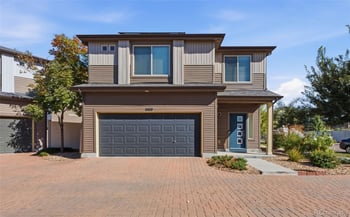
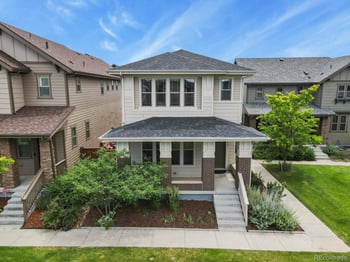
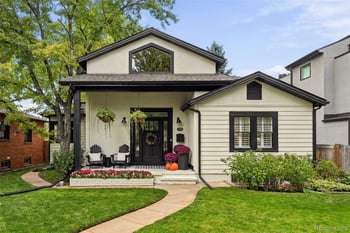
1781 S Corona St, Denver, CO 80210
MLS#: REC5463977
.jpg)


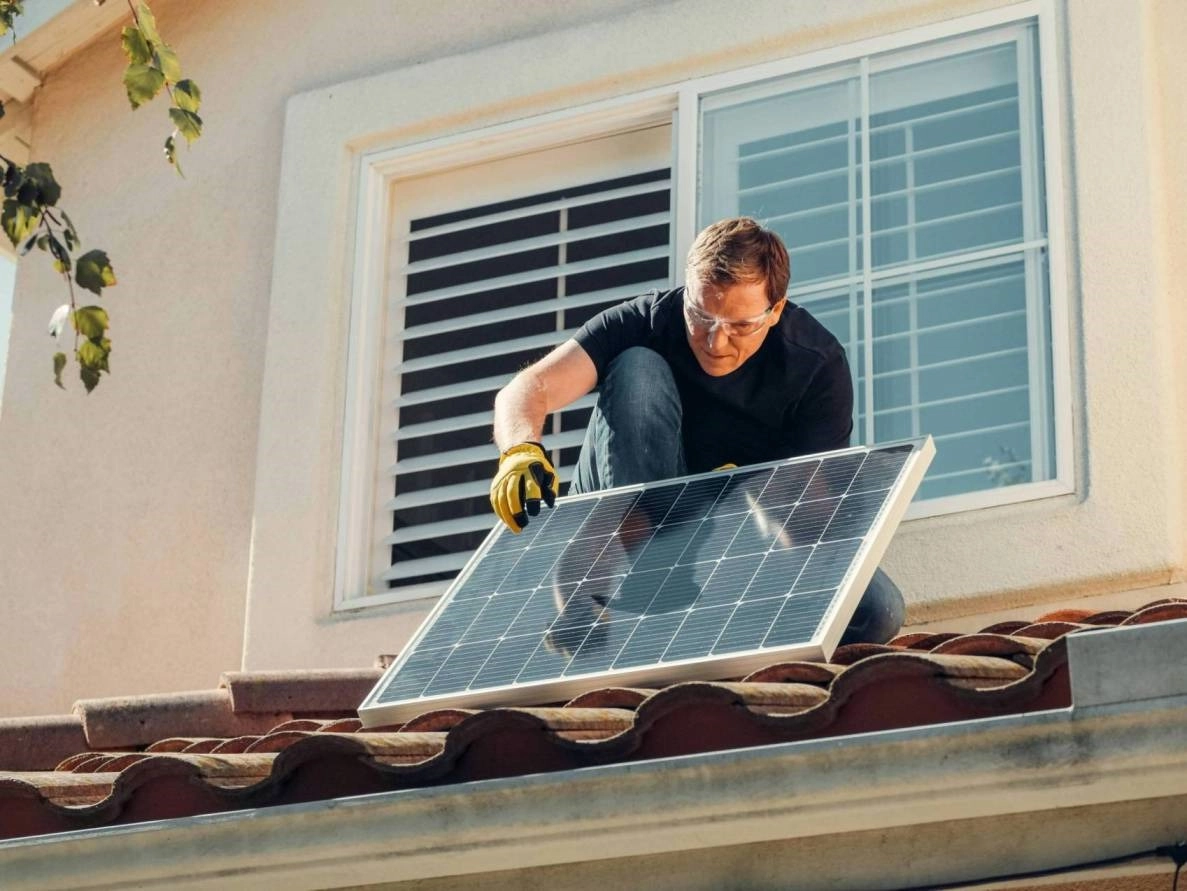
A Front Range homeowner planning both solar and EV charging should size the electrical panel and the solar system for the EV load from day one, not add the charger as an afterthought, because retrofitting a panel after solar is installed means a second permit, a second inspection and sometimes a second Xcel interconnection filing. Plan the two projects together and the combined system pays back faster than doing them separately.
Most homes built before 2015 on the Front Range carry a 100 or 150-amp electrical panel, and adding both a solar inverter and a Level 2 EV charger frequently requires an upgrade to 200 amps to handle the combined load without damage. A licensed electrician should run a load calculation for the specific home, current appliances, planned solar system size, and charger amperage, before either project gets quoted, since the panel upgrade cost, $1,500 to $4,000 on most Front Range homes, changes the total project budget.
An average EV adds 2,500 to 4,000 kWh of annual electricity use for a typical Front Range commuter, on top of the home's existing usage, so a solar system sized only to the current bill undershoots once the EV is charging at home regularly. Ask the installer to size the system against 12 months of Xcel usage data plus the EV's expected annual draw, not against the home's pre-EV bill, to avoid buying a second, smaller system later.
Xcel Energy offers time-of-use and EV-specific rate plans that price overnight charging lower than daytime or evening peak rates, and a homeowner who charges primarily overnight can lower the EV's effective cost per mile well below what daytime charging would cost on a flat rate. Compare the EV rate plan against the home's existing residential rate before switching, since moving the whole home onto a time-of-use plan changes pricing on every appliance, not just the charger.
A home battery stores midday solar production and releases it in the evening, which covers an EV plugged in after a commute home without pulling from the grid at peak time-of-use rates. Sizing the battery for both household evening use and EV charging together, rather than for the household alone, is the detail installers get wrong most when a homeowner adds EV charging after the battery is already sized and installed.
Denver, Aurora, Lakewood, Colorado Springs and most Front Range jurisdictions require a separate electrical permit for the EV charger circuit in addition to the solar permit, even when both projects happen at the same time through the same contractor. Submitting both applications together, rather than sequentially, keeps the inspection schedule tighter and avoids paying two separate trip fees for two separate final inspections.
A growing share of new construction on the Front Range now includes a solar-ready electrical panel and a dedicated EV charging circuit stubbed into the garage at the time of the build, which avoids the retrofit cost entirely. A buyer shopping new construction should ask the builder specifically whether the home is solar-ready and EV-ready, since "solar panels included" and "solar-ready wiring" are two different things builders sometimes blur in marketing materials.
An HOA in a Highlands Ranch, Castle Rock or Broomfield community reviews the solar panel placement and, separately, any visible EV charging equipment or exterior conduit, and Colorado law limits an HOA's ability to reject solar outright but gives it more latitude over EV charging equipment specifics. Submit both scopes of work in one architectural review application where the HOA allows it, and confirm in writing before the electrician starts trenching or running conduit.
A 9 kW solar system sized for EV charging, a Level 2 charger, and a panel upgrade together runs roughly $28,000 to $42,000 installed on a typical Front Range home before any Xcel Solar*Rewards incentive, with battery storage adding $9,000 to $16,000 more if included. Get one combined bid from an installer who handles all three scopes, solar, panel, charger, rather than three separate contractors, since a single point of coordination reduces scheduling conflicts between the electrical, solar and inspection timelines.
Install the panel upgrade and the EV charger circuit before or alongside the solar system, not after, because the electrician is already inside the panel for the solar interconnection, and adding a second circuit at the same time avoids a second service call and a second inspection fee. A homeowner who installs solar first and adds EV charging two years later pays for the electrician's trip and the county's inspection twice instead of once.
A Level 2 charger mounted in an attached, heated garage performs consistently through a Front Range winter, while a charger mounted outdoors or in an unheated detached garage sees slower charge times on the coldest nights, since EV battery chemistry charges less efficiently in cold temperatures. Run the charger circuit to an attached garage where the home's layout allows it, and if only a detached garage is available, budget for a heated or insulated space around the charging point.
A Front Range home marketed with both solar and EV charging already in place removes two separate buyer to-do items at once, which matters most to a buyer already driving an EV or actively shopping for one, a growing share of Denver metro and Colorado Springs buyers. List both the solar production history and the EV circuit's amperage and location in the listing details, since a buyer's agent searching for EV-ready homes filters on that specific detail.
A homeowner financing a combined solar, battery and EV charging project through a home equity line or a purchase-and-renovation loan should compare the total interest cost against the Solar*Rewards rebate and projected fuel savings from charging at home instead of buying gasoline. Mike Oswald at Rate (NMLS 261003, Equal Housing Lender) works with Front Range buyers and owners on financing options that can fold a solar and EV charging project into a purchase or refinance, and you are free to use any lender for this work. Get the loan pre-qualification and the installer's final bid at the same time, so the financed amount matches the actual, fully specified scope instead of an early estimate.
The Kenna Real Estate Group helps buyers find Front Range homes that are already solar-ready and EV-ready, and helps sellers document a combined solar and EV charging system correctly before listing. Call or text 303-955-4220. A live person answers. Not a robot, not a phone tree. Ready to look at what is on the market right now? Search every home for sale in Colorado.
Questions about any home in Colorado? Call or text 303-955-4220. A live person answers.
Frequently, yes, on homes built before 2015 with a 100 or 150-amp panel; a load calculation from a licensed electrician confirms whether the specific home needs the upgrade.
Size it against 12 months of Xcel usage plus the EV's expected annual draw, 2,500 to 4,000 kWh for a typical commuter, or the system will undershoot once home charging is regular.
Yes, Xcel offers time-of-use and EV-specific rate plans that price overnight charging below daytime and evening peak rates.
Yes. Size it for both household evening use and EV charging together; sizing for the household alone is a common installer mistake when EV charging is added later.
Most Front Range jurisdictions require a separate electrical permit for the EV charger circuit in addition to the solar permit, even when one contractor handles both.
A growing share is, with a solar-ready panel and a stubbed EV circuit in the garage; confirm the exact scope with the builder, since 'solar-ready' and 'solar included' are not the same thing.
Colorado law limits an HOA's ability to block solar outright, but an HOA has more latitude over visible EV charging equipment and conduit placement.
Roughly $28,000 to $42,000 for a 9 kW solar system, panel upgrade and Level 2 charger, plus $9,000 to $16,000 more if a battery is included.