.jpg)


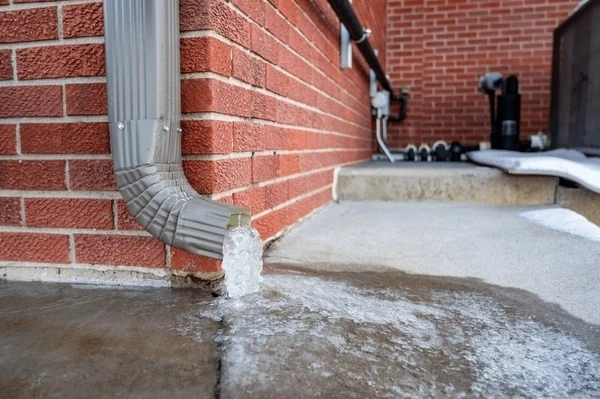
Colorado gutters handle two jobs a milder climate does not ask of them: shedding hail without denting shut, and moving snowmelt fast enough that it does not refreeze into an ice dam overnight. Sizing and material choice both change once those two stresses are part of the equation.
What Size Gutters Does a Colorado Home Need?
Standard 5-inch K-style gutters handle most Front Range roofs, but a larger roof area, a steep pitch, or a home that sees intense downpour-style summer storms benefits from 6-inch gutters, which carry roughly 40% more water volume before overflowing. A contractor sizing gutters should factor in roof square footage and pitch, not use one size for every house.
Do Colorado Gutters Need Heated Cable for Ice Dams?
Homes with a history of ice dams, where heat escaping from the attic melts snow that refreezes at the colder eave, benefit from heat cable installed along the eave and inside the gutter and downspout. It is a targeted fix for a specific problem, not something every Front Range home needs; better attic insulation and ventilation prevents the ice dam from forming in the first place in most cases, which is the cheaper long-term fix.
How Does Hail Damage Gutters and Downspouts?
Hail dents aluminum gutters, the most common Front Range material, and can crack vinyl gutters outright. Dented sections still function but trap debris in the low spots and corrode faster at the impact point over several seasons; a widescale hailstorm commonly damages gutters at the same time as the roof, which is why most Colorado insurance claims cover both together.
Do Gutter Guards Work With Colorado's Pine Needles and Cottonwood Debris?
Mesh and micro-mesh guards handle broad leaves well but need a fine enough screen to stop pine needles, which slip through wider guard styles. Cottonwood seed fluff clogs almost any guard type during its early-summer drop; plan on a manual clean-out during that two- to three-week window regardless of guard style.
What Causes Gutters to Sag or Pull Away From a Front Range House?
Ice weight from a heavy, wet spring snowstorm is the most common Colorado cause, along with clogged sections holding standing water and debris weight through fall. Fascia board rot behind a leaking gutter also lets the hangers pull loose over time, which is why a sagging gutter section needs a check behind the fascia, not just a re-hang.
What Is the Cleaning Schedule for Colorado Gutters?
Twice a year at minimum, after spring cottonwood and seed drop, and again after fall leaf drop, with an added check after any major hailstorm or heavy wet snow event. Homes under large cottonwoods or pines need a mid-summer check as well.
What's the Link Between Bad Gutters and Foundation Water Damage?
A clogged or undersized gutter dumps water at the foundation instead of carrying it away, one of the most preventable causes of the foundation water damage covered in our Denver-area foundation guide. Combined with Colorado's expansive clay soil, a gutter problem left unfixed for a season or two can turn into a foundation repair costing many times more than the gutter fix would have.
Does an HOA Regulate Gutter Color or Material?
Many Front Range HOAs specify an approved gutter color, commonly matching trim or roof color, and sometimes material, covered under the same architectural review that governs siding and roofing; see our Denver HOA rules and fees guide. Submit for approval before ordering custom-color gutters to avoid a mismatch the HOA later asks you to redo.
How Much Do New Gutters Cost for a Front Range Home?
| Gutter type | Installed cost per linear foot |
|---|---|
| Aluminum K-style (standard) | $6 to $12 |
| Aluminum K-style (heavy-gauge, hail-resistant) | $9 to $15 |
| Copper | $25 to $40 |
| Gutter guards (added to any system) | $4 to $10 |
What Gutter Material Holds Up Best to Colorado Hail and Freeze-Thaw?
Heavy-gauge aluminum, .032-inch or thicker, resists denting better than standard-gauge aluminum for a modest cost increase, and it does not corrode from mag chloride splash the way some uncoated steel products do. Copper resists hail and freeze-thaw the longest of any common option but costs several times more installed.
Do Downspout Extensions Really Matter for Colorado Foundations?
Yes. An extension carrying water 4 to 6 feet from the foundation, versus a downspout that dumps water directly at the wall, is one of the cheapest and most effective prevention steps against the clay-soil foundation movement common across the Front Range.
Should Gutters Be Replaced at the Same Time as a Roof After a Hailstorm?
In most cases, yes, if the gutters show hail damage in the same claim. Replacing both together in one project avoids a second mobilization cost and lets the new gutters match the new roof's drip edge and flashing detail exactly.
What Is an Ice Dam and How Common Is It on the Front Range?
An ice dam forms when attic heat melts snow on the upper roof, and that meltwater refreezes once it reaches the colder eave over the gutter, building a ridge of ice that can back water up under the shingles. Front Range homes with older attic insulation, a walk-out level below a low-slope section, or west-facing eaves that stay shaded longer see this more than homes with well-sealed, well-vented attics. Fixing attic air leaks and adding insulation solves the root cause more reliably than gutter work alone.
How Do You Choose Between K-Style and Half-Round Gutters in Colorado?
K-style gutters, the flat-backed, decorative-front profile common on most Front Range homes, hold more water for a given width and mount directly to the fascia board. Half-round gutters, the smooth curved style common on historic and custom homes, need larger hangers and larger downspouts to match K-style's capacity, and they cost more installed. Match the style to the home's architecture first, then size the downspouts to the roof area regardless of profile chosen.
Does Gutter Condition Come Up During a Colorado Home Inspection?
Yes. An inspector checks gutters for proper slope toward the downspouts, secure attachment, visible hail dents or cracks, and whether downspout extensions actually carry water away from the foundation. Sagging or clogged gutters found during a pre-listing walkthrough are a cheap fix compared with a buyer's inspector flagging the same issue and tying it to the foundation section of the report, where it reads as a bigger problem than it is. A seller who clears gutters, resets loose hangers and confirms every downspout has an extension before photos and showings removes a line item most Front Range inspection reports would otherwise flag.
Where to go next
- Denver HOA rules and fees guide
- Preparing and adding value before selling a Colorado home
- Denver-area foundation cracks and structural problems
- Colorado hail and roof costs guide
- Search every home for sale in Colorado
Talk to the Kenna Real Estate Group
The Kenna Real Estate Group points Front Range sellers to which exterior drainage fixes matter before a listing photo shoot and which ones are cosmetic. Ask for the printable gutter and drainage checklist in the form below and we email it the same day. Call or text 303-955-4220. A live person answers. Not a robot, not a phone tree. Or search every home for sale in Colorado.
Homes for sale that match this post
Guides
Questions about any home in Colorado? Call or text 303-955-4220. A live person answers.