.jpg)


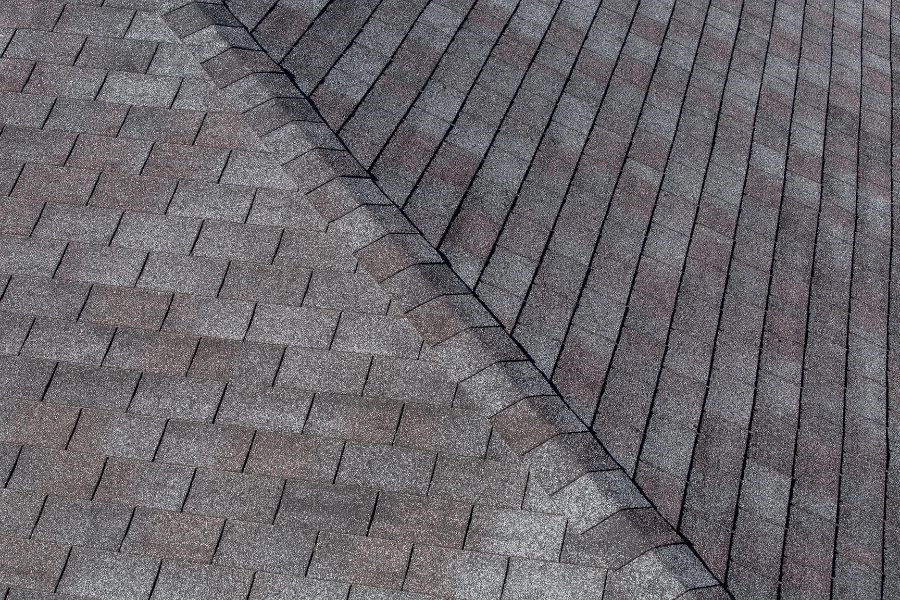
Roofing material choice on the Front Range comes down to one variable most states do not weigh as heavily: hail. A roof rated to survive a Colorado hailstorm without cracking through to the deck or losing granules costs more upfront and less over the life of the roof, in both repairs and insurance premium.
What's the Best Roofing Material for Colorado Hail?
Class 4 impact-rated asphalt shingles are the most common upgrade on the Front Range because they combine hail resistance with a moderate installed cost. Standing-seam metal is the most hail-resistant option overall, and denting is largely cosmetic rather than a failure point, though it costs more upfront than asphalt.
Are Class 4 Impact-Rated Shingles Worth the Extra Cost in Colorado?
In most cases, yes. Class 4 shingles cost roughly 10% to 20% more than standard architectural shingles installed, and many Colorado insurers discount premiums for carrying them, commonly in the 10% to 35% range depending on the carrier, sometimes as the condition for keeping a standard, non-percentage wind and hail deductible. Ask your insurer for the specific discount before choosing a shingle class.
How Does Metal Roofing Perform in Colorado Hail and Wind?
Standing-seam metal resists hail penetration better than any common asphalt product and holds up well to the wind gusts that regularly top 50 mph along the foothills and Palmer Divide. The tradeoff is cosmetic denting from large hail, which some Front Range insurers treat as a claim even without a functional failure; ask how your carrier treats cosmetic-only metal roof damage before installing.
Is Tile Roofing Practical on the Front Range?
Concrete and clay tile are heavy, hail-resistant and long-lasting, 50 years or more, but the roof structure needs to be engineered or reinforced to carry the extra weight, which adds cost on a retrofit. Tile shows up more on custom and higher-end Front Range homes than on a standard production-built roof replacement.
What's a Good Synthetic Alternative to Cedar Shake in Colorado?
Synthetic composite polymer shake and slate products mimic the look of wood shake or natural slate without the wildfire and hail vulnerability, and most carry a Class A fire rating, which matters directly in foothills wildland-urban interface counties that restrict or prohibit real wood shake roofing.
How Much Does a New Roof Cost by Material in Colorado?
| Material | Installed cost per sq ft (Front Range) | Expected lifespan |
|---|---|---|
| Asphalt (standard architectural) | $4.50 to $7 | 20 to 25 years |
| Asphalt (Class 4 impact-rated) | $5.50 to $9 | 25 to 30 years |
| Standing-seam metal | $9 to $16 | 40 to 60 years |
| Concrete or clay tile | $12 to $22 | 50+ years |
| Synthetic shake or slate | $10 to $18 | 40 to 50 years |
Does Roofing Material Affect Homeowners Insurance Premiums?
Yes, materially. Beyond the Class 4 discount on asphalt, metal and tile commonly qualify for similar wind and hail credits, and a roof past 20 years old in any material can push a Colorado insurer toward actual-cash-value settlement terms instead of full replacement cost. Age and material both factor into the quote, not square footage alone.
How Long Does Each Roofing Material Last at 5,280 Feet?
UV exposure at altitude shortens the effective lifespan of every material compared with the same product at sea level, hitting asphalt hardest through faster granule loss. Metal, tile and synthetic products hold their rated lifespan closer to the manufacturer's number, since UV degrades a surface coating more slowly than it degrades asphalt's mineral granules.
Do HOAs Restrict Roofing Material Choices?
Most Front Range HOAs set an approved roofing material list or require architectural review before a material or color change, even for an insurance-driven replacement. Check the community's rules in our Denver HOA rules and fees guide before ordering material, since some communities require matching neighbors within a defined material and color range.
What Roofing Materials Are Restricted in Colorado Wildfire Zones?
Wildland-urban interface counties in the foothills commonly restrict or prohibit untreated wood shake roofing and require a Class A fire rating, which rules out traditional cedar shake in many mountain and foothills communities. Confirm the specific county or fire district requirement before choosing material on a foothills property.
Does Snow Load Affect Which Roofing Material to Choose?
Heavier materials like tile need the roof structure engineered for snow load plus material weight combined, which a structural check confirms before installation. Metal sheds snow faster than asphalt or tile because of its smooth, low-friction surface, reducing the standing snow load a roof structure carries through winter.
Does Roofing Material Affect a Home's Resale Value?
A newer roof in a durable material is a selling point buyers notice on a Colorado listing, and it removes one of the most common inspection objections. Our guide to preparing and adding value before selling covers which roof upgrades return the most at closing versus which ones are overbuilding for the neighborhood.
Should a Buyer Match Neighbors' Roofing Material for Resale?
Not required outside an HOA's own rules, but a roof that stands out sharply from the rest of the block, a bright unfamiliar color or an unusual profile, can slow buyer interest in a tract-built neighborhood where consistency is part of the appeal. In an HOA-governed Front Range community, the approved material and color list already sets that boundary; outside an HOA, it is a judgment call weighed against personal preference and hail performance.
Does a New Roof Need a Permit in Every Front Range City?
In nearly every case, yes. Denver, Aurora, Lakewood, Colorado Springs and most incorporated Front Range cities require a permit and a final inspection for a full roof replacement regardless of material chosen; unincorporated county properties go through the county building department instead. A permitted, inspected roof also gives a future buyer's lender and insurer a clean paper trail, which a skipped permit does not.
What Roofing Material Needs the Least Maintenance in Colorado's Climate?
Metal and tile need the least routine attention once installed correctly, since neither loses granules or requires resealing the way asphalt does over its lifespan. Asphalt, including Class 4 shingles, still needs a yearly check for granule loss, lifted edges and sealing around flashing and roof penetrations, especially after hail season. Factor that ongoing maintenance cost and time into the material decision alongside the upfront price difference.
Should a Buyer Ask for a Roof Certification at Closing?
Yes, especially on a home with a roof older than 10 to 15 years. A roof certification from a licensed inspector or roofer states the remaining expected life and any repair needs, which a buyer's lender and insurer both commonly want before binding a policy on a Colorado purchase. Asking the seller for this document, or ordering one during the inspection period, avoids a financing delay discovered late in the transaction.
Where to go next
- Preparing and adding value before selling a Colorado home
- Get a Smart Pricing Report for your home
- Denver HOA rules and fees guide
- Roof replacement in Colorado: costs, lifespan and best materials
- Colorado hail and roof costs guide
- Search every home for sale in Colorado
Talk to the Kenna Real Estate Group
The Kenna Real Estate Group helps Front Range buyers and sellers weigh roofing material against condition, insurance cost and resale value before a purchase or a listing. Ask for the printable roofing-material comparison checklist in the form below and we email it the same day. Call or text 303-955-4220. A live person answers. Not a robot, not a phone tree. Or search every home for sale in Colorado.
Homes for sale that match this post
Guides
Questions about any home in Colorado? Call or text 303-955-4220. A live person answers.