New - 1 Hour Ago

.jpg)


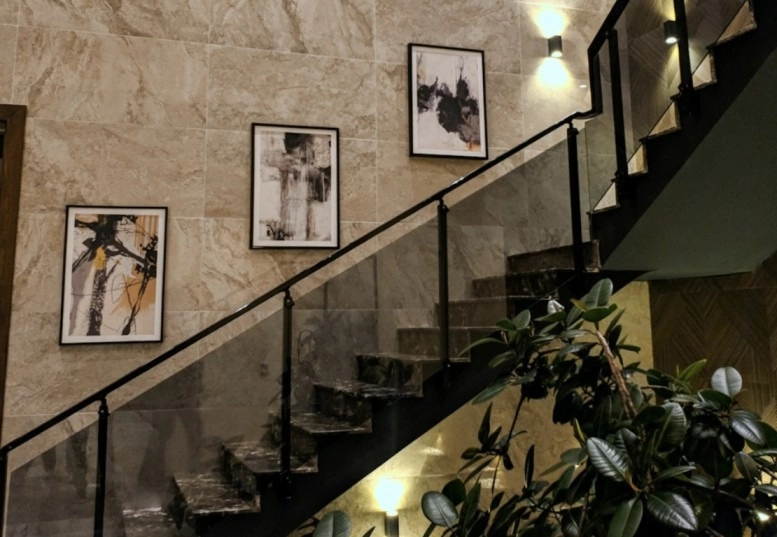
The four materials that make a Colorado build stand out are timber frame, marble, terrazzo and glass, and each one carries a Front Range trade-off worth pricing before you sign a contract. A house at 5,280 feet deals with intense UV, hail, expansive clay soil and heavy mountain snow loads that a coastal build never sees, so the "best" material here is the one engineered for this climate, not just the one that photographs well.
Colorado's climate stacks three stresses on a house: freeze-thaw cycles that run from October through April, hail that hits hardest in spring through September, and UV exposure that is roughly 25% stronger at altitude than at sea level. Materials that resist all three win here: engineered timber, sealed natural stone, concrete-based composites like terrazzo, and low-E glass. Softer woods and untreated finishes fade and check faster on the Front Range than in a lower, wetter state.
Yes, and mountain and foothills builders use timber frame construction specifically because heavy mortise-and-tenon joinery distributes roof load across the whole frame instead of a few points. Front Range snow load requirements vary by elevation and jurisdiction, so an engineer stamps the truss and beam sizing before a county or city issues a permit. Timber frame pavilions and covered porches are a common add-on for Denver-metro backyards because the same joinery method works at a smaller scale.
Timber frame construction runs higher than a standard stick-built home because of the engineered lumber and the labor to cut and raise the joinery. Ask any builder for a written per-square-foot number for your lot, elevation and finish level before you commit, since mountain-adjacent sites add delivery and crane costs that a Denver in-town lot does not have.
Marble works indoors in Colorado (countertops, flooring, fireplace surrounds) but is a poor pick for exterior use here. Altitude UV and freeze-thaw cycling etch and crack polished stone left outside, so keep marble to interior surfaces and use a sealed granite, quartzite or porcelain look-alike anywhere it faces weather. Indoors, marble's veining and durability make it a strong choice for kitchens and primary bathrooms in Denver, Boulder and Colorado Springs builds.
Terrazzo performs well indoors and on covered, conditioned porches, but an uncovered exterior terrazzo slab in Colorado needs a control-joint layout designed for freeze-thaw movement, or the cement matrix cracks within a few winters. For an open Front Range patio, stamped or exposed-aggregate concrete is the more forgiving material; save terrazzo for entryways, mudrooms and covered outdoor rooms where temperature swings are smaller.
Glass walls and large window packages are one of the biggest draws in new Front Range builds because they frame mountain views and pull in the state's abundant sunshine, but every added square foot of glass adds a heating and cooling cost. Ask your builder for the window package's U-factor and solar heat gain coefficient (SHGC) rated for Colorado's climate zone, and pair south- and west-facing glass with deep overhangs so summer sun doesn't overheat the room.
Most planned communities in the Denver metro, including Highlands Ranch, Castle Rock and Lone Tree, run an architectural review committee that approves exterior material, color and roofline before a permit is pulled. Pull the HOA or metro district's design guidelines before you finalize timber, stone or glass choices; a material swap after approval can mean a second review cycle and a delay.
Structural changes, including a new timber frame addition, a load-bearing wall or a full glass wall replacing a standard window opening, need a building permit in every Front Range city and county. Denver, Aurora, Colorado Springs, Jefferson County and Douglas County each run their own permit office and review timeline, so confirm the current process with the jurisdiction your lot sits in before a contractor starts framing.
A large share of Front Range lots sit on expansive bentonite clay that swells when wet and shrinks when dry, which is why Colorado foundations almost always need a soils report and an engineered footing design. A heavier material like stacked stone or full marble cladding adds dead load to a foundation, so your structural engineer needs to sign off on exterior material weight as part of the same soils-driven design.
Xcel Energy runs rebate programs for high-efficiency windows, insulation and certain building envelope upgrades on Colorado homes; check the current program list before you finalize a glass or insulation package, since rebate amounts and eligible products change from year to year. A tighter, better-glazed envelope also lowers the heating bill in a state where winter nights regularly drop well below freezing.
Hail is a real cost driver for Colorado homeowners, and it runs from spring through September most years. Impact-rated roofing, fiber-cement and metal siding, and tempered or laminated glass all hold up far better than standard asphalt shingles, vinyl siding or single-pane glass. Ask your builder for the material's impact rating before you finalize an exterior package, and check whether your insurer offers a lower premium for impact-resistant roofing.
Homes built in Colorado's wildland-urban interface, common in the foothills west of Denver, Boulder and Colorado Springs, face defensible-space and building-material rules meant to slow an approaching fire. Non-combustible roofing, ember-resistant vents and fire-rated siding are standard requirements in these zones; confirm with the county planning office whether your lot falls inside a wildfire overlay before you lock in a material list.
Durable, well-detailed materials, an engineered timber frame, natural stone accents, quality glass, show well to Front Range buyers and appraisers because they read as lower future maintenance. A Smart Pricing Report from the Kenna Real Estate Group shows what comparable material and finish upgrades actually added to sale price in your specific Denver-metro neighborhood before you spend on any one material.
A custom build gives you full control over timber, stone, terrazzo and glass choices but takes longer and carries more soils, permit and weather-delay risk. A production new-construction home in a Front Range community moves faster because its standard spec already accounts for local snow load, hail and soil rules. Browse new construction homes in Colorado by area to compare both paths before you decide.
A custom Front Range build with structural timber, imported stone or a large glass package runs longer than a standard production build once you add engineering review, HOA approval and weather-dependent phases like framing and roofing. Build a buffer into your timeline for a Colorado winter, since snow and hard freezes slow exterior work between roughly November and March.
Building lets you choose timber frame, marble, terrazzo and glass from the foundation up; renovating means working these same materials into an existing structure's load limits, HOA rules and permit history. See which upgrades add the most value before you sell a Colorado home if you're weighing a renovation against a move to new construction.
Whether you're pricing a custom timber frame build, weighing new construction against a renovation, or trying to figure out which material upgrades actually pay off before you sell, the Kenna Real Estate Group can walk your specific lot, HOA and budget with you. Call or text 303-955-4220. A live person answers. Not a robot, not a phone tree. Or search every home for sale in Colorado to see what's already built the way you want.
Questions about any home in Colorado? Call or text 303-955-4220. A live person answers.
Impact-rated roofing, fiber-cement or metal siding, and tempered or laminated glass hold up best against hail that hits the Front Range from spring through September. Ask your builder for the material's impact rating and ask your insurer if it lowers your premium.
Not recommended. Altitude UV and freeze-thaw cycling etch and crack polished marble left outdoors in Colorado. Keep marble to interior surfaces and use sealed granite, quartzite or concrete outside.
Yes. Front Range snow load rules vary by elevation and jurisdiction, so an engineer stamps the beam and truss sizing before Denver, Aurora, Colorado Springs or your county issues a permit.
Yes. Heavier materials like stacked stone or full marble cladding add dead load, so a soils report and engineered footing design have to account for both the clay and the material weight together.
Xcel Energy runs rebate programs for high-efficiency windows and building envelope upgrades on Colorado homes. Program details and eligible products change by year, so check the current list before you finalize a glass package.
Most Denver-metro planned communities run an architectural review committee that approves exterior material, color and roofline before a permit is pulled. Confirm the guidelines before you finalize your material list.
Terrazzo works well indoors and on covered porches, but an uncovered exterior slab needs a freeze-thaw-rated control-joint layout or it can crack within a few winters. Stamped or exposed-aggregate concrete is more forgiving outdoors.
A Smart Pricing Report from the Kenna Real Estate Group compares what similar material and finish upgrades added to sale price in your specific Denver-metro neighborhood before you spend on any one material.


