New - Just Now

.jpg)


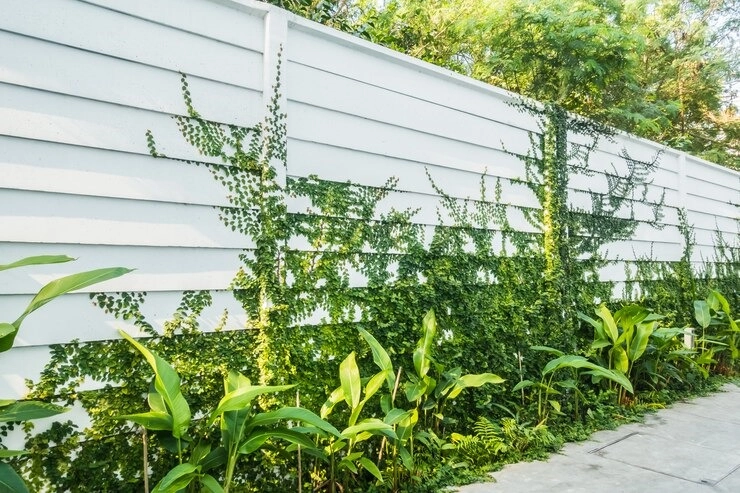
Cedar and vinyl are the two privacy fencing materials that hold up best on the Front Range: cedar for natural resistance to rot and insects at a lower cost, vinyl for near-zero maintenance against Colorado's intense sun and freeze-thaw cycles. Both need a permit check and, in most subdivisions, HOA approval before installation, and the right choice comes down to budget, maintenance tolerance and how the material handles the specific climate stresses covered below.
Cedar, vinyl and metal each perform differently under Colorado's climate of strong UV, low humidity, hail and repeated freeze-thaw cycles through the winter. Cedar and redwood resist rot and insects naturally and cost less upfront; vinyl costs more initially but needs no staining or sealing and holds its color under UV exposure better than any wood option.
UV exposure at 5,280 feet runs stronger than at sea level, and unsealed or unstained wood fencing can gray and dry out within two to three years on a south- or west-facing property line. A UV-rated stain or sealant reapplied every two to three years keeps wood fencing from splitting and extends its life significantly.
Yes. Colorado's freeze-thaw cycle, combined with expansive bentonite clay soils common across the Front Range, can heave fence posts out of alignment over a few winters if they are not set deep enough or in properly compacted concrete footings. Setting posts below the local frost line, around 30 to 36 inches on the Front Range, reduces this movement significantly.
| Material | Cost per linear foot | Maintenance |
|---|---|---|
| Cedar or redwood | $25-$45 | Restain every 2-3 years |
| Pressure-treated pine | $15-$30 | Restain every 1-2 years |
| Vinyl | $30-$55 | Occasional wash, no sealing |
| Metal (steel or aluminum) | $35-$60 | Very low; check for rust at welds |
Denver and most Front Range cities require a permit for fences above a certain height, commonly six feet in a rear or side yard and lower in a front yard, with the exact threshold varying by city and zoning district. Checking with the local building or zoning department before ordering materials avoids having to shorten or remove a fence after installation.
Most Front Range HOAs regulate fence height, material, color and sometimes even the specific style allowed on the street-facing or shared property lines, and many require a formal architectural review submission before installation begins. Getting written approval before the fence goes up, rather than after a neighbor or the HOA raises a concern, avoids a costly redo.
Six feet is the most common maximum height for a rear or side yard privacy fence across Front Range cities, with front yards capped lower, commonly three to four feet, to preserve sightlines for traffic and neighbors. Corner lots commonly carry additional setback and height rules near intersections for visibility.
In wildfire-interface areas along the foothills and parts of the Front Range, some jurisdictions restrict combustible fencing materials, particularly where a wood fence would connect directly to a home's exterior siding, since a fence can act as a fuel path for fire. Metal or vinyl sections near the home, with wood further from the structure, is a common compromise in these zones.
Solid panel designs block wind completely but take the most direct wind load, which matters given Front Range gusts that regularly exceed 50 mph near the foothills and Castle Rock. A shadowbox or alternating-panel design, with small gaps between boards, cuts wind load while still blocking direct sightlines, and it holds up better structurally in high-wind corridors.
A well-maintained privacy fence is a modest but real value-add for buyers evaluating a yard's usability and privacy, and it is one of the improvements buyers notice immediately during a showing. A fence in disrepair, by contrast, can read as deferred maintenance and prompt a buyer to negotiate on price.
Colorado has no statewide law requiring neighbors to split fence costs, so it comes down to a private agreement between property owners. Getting that agreement in writing, including which side finishes face outward, avoids a dispute later, especially if one neighbor later sells and the new owner is unaware of the informal arrangement.
Hail season runs mid-April through mid-September on the Front Range, and while hail rarely damages a fence the way it damages a roof, it can dent vinyl panels or chip paint on metal fencing during a severe storm. Wood fencing tolerates hail impact better than either material, though repeated storms accelerate the wear that eventually calls for restaining.
Many newer Front Range subdivisions, particularly in Douglas and Weld counties, sit inside a metro district with its own design standards layered on top of city or county zoning and any HOA rules. Checking with the metro district directly, not just the HOA, catches a rule that a homeowner would otherwise miss until after installation.
Condo and townhome patios cannot add a full fence since the exterior is a shared element controlled by the HOA, but many associations allow privacy screens, lattice panels or tall planters that meet a specific height and material standard. Getting the association's written approval for a patio screen before installing it avoids the same compliance issue a full fence would raise.
Beyond what an HOA requires on paper, a fence style and material that echoes what is already common on the block reads better in listing photos and to appraisers comparing the home to recent sales nearby. A homeowner who wants a distinctive design, like horizontal slats or mixed materials, can still get it approved as long as height and color stay within the association's stated range.
The Kenna Real Estate Group helps Front Range sellers understand which yard and fencing improvements are worth doing before a listing goes live, and which HOA rules to check first. Call or text 303-955-4220. A live person answers. Not a robot, not a phone tree. Ready to see what is on the market right now? Search every home for sale in Colorado.
Questions about any home in Colorado? Call or text 303-955-4220. A live person answers.
Cedar costs less upfront and resists rot and insects naturally, but needs restaining every two to three years. Vinyl costs more initially but holds up to UV and freeze-thaw with almost no maintenance.
Below the local frost line, around 30 to 36 inches on the Front Range, to resist freeze-thaw heaving in expansive clay soils.
Most Front Range cities require a permit above a set height, commonly six feet in back and side yards. Check with the local building department before ordering materials.
Most Front Range HOAs regulate fence height, material and color, and many require a written architectural review submission before installation.
Yes. Solid panels take the full wind load, so a shadowbox or gapped design holds up better in high-wind corridors near the foothills and Castle Rock.
It is a modest, real value-add that buyers notice at a showing, especially those with pets, while a fence in disrepair can prompt a price negotiation instead.