.jpg)


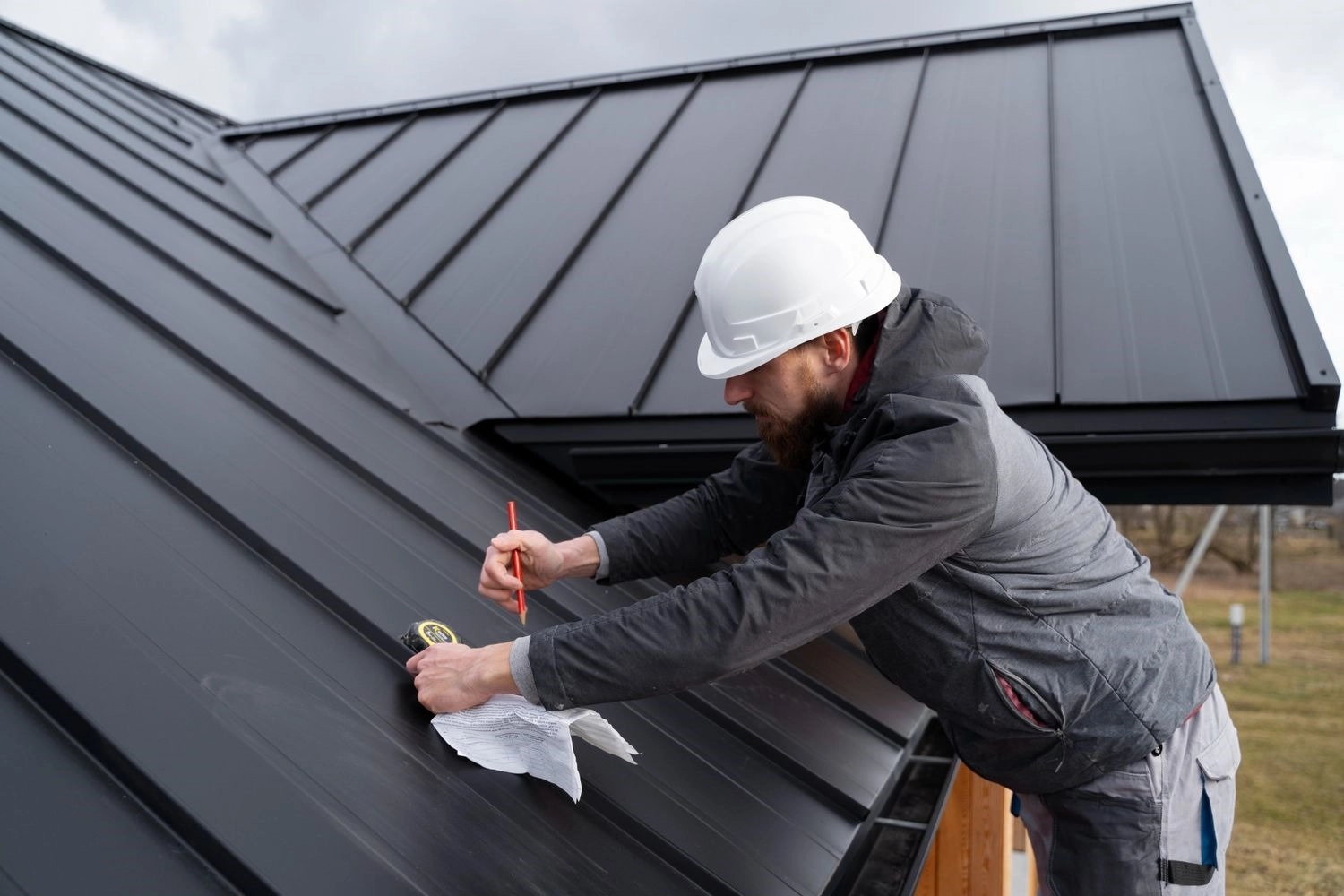
A roof replacement is one of the few home improvements in Colorado that pays back more than it costs, both at the closing table and every month before that. Front Range homeowners who replace an aging roof before listing recover 60% to 70% of the project cost directly in sale price, and they avoid the deeper discount buyers demand once a roof becomes a visible risk during inspection.
What "aging" means for a Colorado roof
Most asphalt shingle roofs in the Denver metro show real wear by year 15 to 18, faster than the 20 to 25-year manufacturer rating, because UV exposure at 5,280 feet and annual hail season both accelerate breakdown, a pattern covered in what affects roof lifespan in Colorado. Curling edges, granule loss visible in the gutters, and dark streaking are the first visible signs.
The resale math
National cost-versus-value studies consistently put asphalt roof replacement among the top-recovering projects, and Front Range agents see the same pattern locally: a $12,000 roof replacement adds roughly $7,000 to $8,500 to a sale price in a market where buyers can see and finance the improvement immediately. The bigger win is avoiding the alternative.
The alternative: a buyer-driven price cut
A buyer whose inspector flags a roof with 3 to 5 years of remaining life does not ask for a small credit. Colorado buyers and their agents price the full replacement cost into a repair request, commonly $10,000 to $16,000, and use that number to negotiate the rest of the contract too, the pattern covered in inspection red flags that kill Denver home sales. A seller who replaces the roof ahead of listing keeps that number out of the negotiation entirely.
| Path | Typical cost impact | Effect on timeline |
|---|---|---|
| Replace before listing | $9,000 - $16,000 spent; ~60-70% recovered in price | No inspection delay |
| Sell as-is, buyer negotiates | $10,000 - $16,000 off the price at objection | 5-10 day negotiation delay |
| Offer a closing credit instead | Similar dollar impact, plus buyer financing friction | Can affect loan approval on some products |
Energy bills and a new roof
A new roof with proper attic ventilation and updated underlayment cuts summer attic heat gain, which lowers cooling costs during Front Range summers that regularly hit the 90s in July and August. Homeowners who pair the roof with reflective or cool-roof shingle options see the largest bill reduction, a strategy covered in green and energy-efficient homes in Denver.
Insurance non-renewal risk
Several Colorado insurance carriers decline to renew or write new policies on roofs older than 15 to 20 years, or they require a roof certification confirming remaining life before binding coverage. A seller with an aging roof risks losing buyers whose lender requires an insurance quote before closing, because some buyers cannot get a policy at all on an older roof.
Class 4 shingles and the appraisal
Class 4 impact-rated shingles cost more upfront and qualify many Front Range homes for a Colorado insurance discount and give an appraiser a documented upgrade to note in the comparable adjustments. Keep the manufacturer certificate and the contractor's completion paperwork; both go into the listing packet.
Timeline for a Front Range replacement
A standard tear-off and replacement on a single-family home takes 1 to 3 days once material is on site, but scheduling during peak hail-season repair demand (July through September) can push a start date out 3 to 6 weeks. Sellers planning a fall listing should book the roofer by early summer and start browsing comparable homes at every home for sale in Colorado to see what a finished roof project looks like in current listing photos.
Permits and inspections
Denver and most Front Range cities require a permit for a full roof replacement and a final inspection before the job is considered complete. Keep the closed permit in the seller's disclosure packet; a buyer's title company will ask whether open permits exist.
How this shows up in a Smart Pricing Report
A Smart Pricing Report for a Front Range listing compares recent sales with and without a recent roof replacement in the same price band, because Denver metro buyers consistently pay a premium for a documented recent roof over a roof of unknown age.
What buyers notice besides the shingles
A musty attic smell, dark ceiling stains near a chimney, or curling shingles visible from the street all tell a buyer the same story before the inspector says a word. A musty attic smell specifically points buyers toward trapped moisture, which reads as a bigger problem than the roof alone.
Should a seller replace or credit at closing?
Replacing before listing keeps the seller in control of contractor choice, material grade and price, and it lets the improved roof show up in marketing photos and the comparable sales used to set the list price, part of the broader preparing and adding value before selling plan. A closing credit hands that control to the buyer and can complicate loan approval on certain mortgage products that restrict seller concessions.
Homeowners comparing quotes sometimes reference out-of-state pricing, including from a roofing company in Brentwood TN, to see how labor and material costs differ by region; Front Range pricing runs higher than the Southeast due to demand from hail-season repair volume.
What a Front Range appraiser actually checks
An appraiser notes roof material, approximate age and visible condition as part of the overall condition rating on the appraisal form, and a documented replacement with a closed permit supports a higher condition grade than an undated claim of "newer roof." Keep the contractor's invoice, the permit closure, and any material warranty together for the appraisal visit.
Financing a roof replacement before listing
Homeowners who do not want to pay cash upfront can use a home equity line, a contractor financing plan, or in some cases a renovation-focused loan product to cover the $9,000 to $16,000 cost, then repay it from sale proceeds at closing. Compare the financing cost against the 60% to 70% resale recovery before deciding; on most Front Range sales the math still favors replacing first.
Repair-only versus full replacement before listing
A roof with isolated damage and more than 8 years of remaining life is a repair candidate; patch the affected area, document the repair with photos and an invoice, and let the rest of the roof carry its remaining life into the sale. A roof nearing the end of its rated life needs the full replacement math above, since a patched repair on an old roof still reads as a liability to a buyer's inspector.
Timing the replacement around the Front Range listing calendar
Spring listings and fall listings draw the most Front Range buyer traffic, so schedule the roof replacement 4 to 8 weeks ahead of either window to leave room for weather delays and to get listing photos taken after the new roof is on, not before. A roofer booked during peak hail-season repair demand in the height of summer can push a start date out several weeks, which argues for booking early rather than waiting for a listing date to firm up.
What to put in the seller disclosure
Colorado's seller property disclosure asks directly about roof age, known leaks and repair history. List the replacement date, the contractor's name and license number, the permit number, and whether Class 4 shingles were used; a complete disclosure paired with the closed permit heads off a buyer's follow-up questions during due diligence.
Where to go next
- Get a Smart Pricing Report
- Preparing and adding value before selling
- Colorado hail and roof cost comparison
- Inspection red flags that kill Denver home sales
- Search every home for sale in Colorado
Talk to the Kenna Real Estate Group
Selling a home with an aging roof takes a different pricing strategy than selling one with a new roof, and the Kenna Real Estate Group prices both scenarios correctly before the home ever hits the market. Call or text 303-955-4220. A live person answers. Not a robot, not a phone tree. Then search every home for sale in Colorado while the roof work is fresh in mind.
Homes for sale that match this post
Guides
Questions about any home in Colorado? Call or text 303-955-4220. A live person answers.