New - 20 Hours Ago
.jpg)


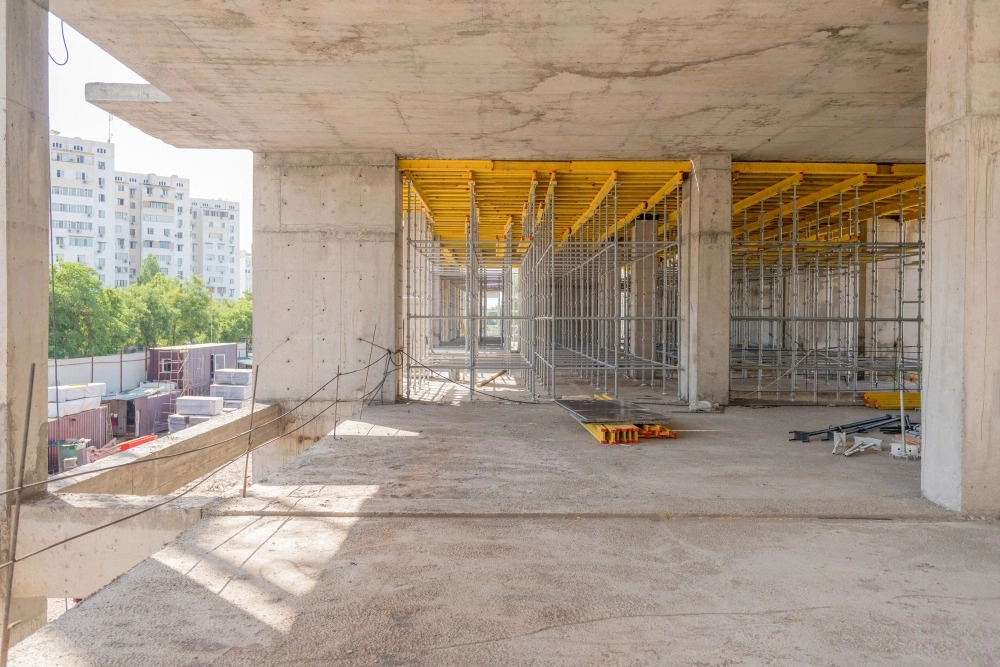
Precast concrete, poured into a mold and cured off-site before being installed, shows up across Front Range homes as retaining walls, patio pavers, foundation elements, and decorative facade panels. It costs less than natural stone, installs faster, and handles Colorado's freeze-thaw winters and intense sun better than several other common exterior materials, which is why it keeps showing up in both new construction and remodels across the Denver metro.
Precast concrete is manufactured in a controlled off-site facility, cured under consistent conditions, then transported and installed on-site. That controlled curing produces more uniform strength and finish than concrete poured and cured on-site, and it cuts installation time since the material arrives ready to place rather than needing days to cure in position.
Front Range winters put real stress on exterior materials through repeated freeze-thaw cycles, water gets into small cracks, freezes, expands, and widens the crack over years. Properly cured precast concrete resists this better than poured-in-place concrete because the controlled manufacturing process reduces the air pockets and inconsistencies that let water in. It also holds up well against hail, a real consideration given the Front Range's hail season running roughly from April through September, and against the intense UV exposure that comes with close to 300 sunny days a year at altitude.
| Material | Freeze-thaw durability | Relative cost | Maintenance |
|---|---|---|---|
| Precast concrete | Strong when properly cured and sealed | Lower than natural stone | Occasional resealing |
| Natural stone (flagstone, granite) | Strong, but mortar joints need attention | Highest | Periodic sealing, re-pointing |
| Brick | Strong with quality mortar | Moderate to high | Occasional tuckpointing |
A precast segmental retaining wall runs roughly $20 to $45 per square foot installed depending on height and site access; precast pavers for a patio run $12 to $25 per square foot, compared with $25 to $45 per square foot for natural stone in a similar footprint. The gap widens on larger projects, which is a big part of why precast shows up throughout Front Range patios and walls in place of natural stone.
Denver, Aurora, and most Front Range cities require a permit for a retaining wall above a set height, since it is a structural element with engineering requirements tied to it. Many HOAs, particularly in Highlands Ranch, Castle Rock, and Douglas County communities, also require architectural review before a homeowner installs a new patio, wall, or facade feature, even when the material itself does not require special approval. Confirm both before ordering materials.
Precast concrete surfaces benefit from resealing every two to three years given Colorado's dry winter air and UV exposure, which slows the surface wear that eventually leads to spalling (surface flaking). This is a lighter maintenance schedule than natural stone needs, which is another part of the cost advantage over the life of the installation.
Beyond patios and retaining walls, precast concrete foundation panels and structural wall sections speed construction on new Front Range builds, since the material arrives cured and ready to set rather than needing days for on-site curing before framing can continue. This matters most during Colorado's shorter building season, when a delayed foundation pour due to an early cold snap can push an entire construction schedule back by weeks. A structural engineer still needs to confirm precast is the right fit for a specific site's soil and load conditions before it replaces a poured-in-place foundation plan.
Precast concrete production happens in a controlled facility, which reduces material waste compared to on-site pours that frequently over-order to cover uncertainty. The finished material also has a long service life outdoors when properly sealed, which reduces the replacement frequency compared to lower-durability alternatives, a real factor in the total environmental cost of a hardscape or structural project over decades rather than years.
Poured-in-place concrete still makes sense for irregular shapes, curved walls, and sites where trucking large precast panels is impractical. Precast wins on projects with repeating shapes, tight construction schedules, and sites where consistent quality matters more than custom geometry, patios, standard retaining wall runs, and foundation panels among them. Many Front Range hardscape projects end up using both: precast for the structural or repetitive elements and poured-in-place or natural stone for custom transitions and finish details.
A well-installed precast retaining wall or patio protects the grading and drainage around a foundation, which matters directly to a Colorado home's structural health and shows up as a positive during a buyer's inspection. A crumbling, unsealed, or poorly draining hardscape feature does the opposite, and it becomes a repair item in the inspection objection on a Front Range sale in a meaningful share of cases. Addressing a failing precast or concrete feature before listing removes a negotiating point a buyer's inspector would otherwise raise, and the Colorado home seller's guide covers the rest of the pre-listing checklist.
Ask a prospective contractor for photos of completed Front Range precast projects at least two winters old, not just the day of installation, since Colorado's freeze-thaw cycles are what actually test a sealer and installation quality. Confirm who pulls the permit, who is responsible for the structural engineering on a retaining wall above the threshold height, and what the sealing warranty covers. A contractor who cannot answer these questions directly is a signal to keep looking before signing a contract for a structural feature that has to perform for decades.
Precast features fail early from poor drainage far more than from the material itself, in the large majority of cases. Water pooling against a retaining wall or under a patio base freezes and pushes against the structure repeatedly through a Front Range winter, which is why proper base compaction and a drainage plan, not just the precast material choice, determine how long the installation actually lasts. A contractor who skips grading and drainage to save a day of labor is setting up a callback within a few winters.
Whether you're planning a hardscape project before listing or evaluating a home with existing precast concrete features, the Kenna Real Estate Group can help weigh the cost against what it returns at resale. Call or text 303-955-4220. A live person answers. Not a robot, not a phone tree. Or search every home for sale in Colorado.
Questions about any home in Colorado? Call or text 303-955-4220. A live person answers.
Yes. Precast pavers run $12 to $25 per square foot installed compared with $25 to $45 per square foot for natural stone in a similar application, with the gap widening on larger projects.
Properly cured and sealed precast concrete handles freeze-thaw cycles better than on-site poured concrete because the controlled manufacturing process reduces the internal air pockets that let water in and expand.
Retaining walls above a set height need a structural permit in Denver and most Front Range cities because of the engineering requirements involved. Check with the city's building department before installation.
Every two to three years given Colorado's dry winter air and strong UV exposure, a lighter schedule than most natural stone requires.
Yes. Precast panels and pavers are manufactured with textures and finishes designed to mimic stone or brick, giving a similar look at a lower material and installation cost.
Many Front Range HOAs require architectural review for new patios, walls, or facade features regardless of the material, so check HOA covenants alongside any city permit requirements.