New - 30 Mins Ago

.jpg)


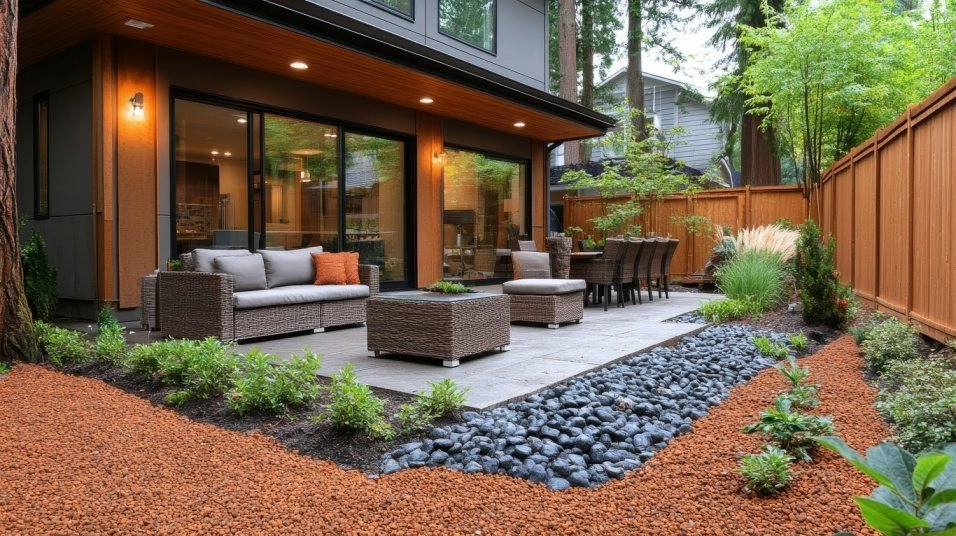
Hardscape design covers the built, non-plant parts of a yard — patios, walkways, retaining walls, fire pits and low walls — and in Colorado the material choice matters more than almost anywhere else in the country. A patio that holds up in Phoenix or Atlanta can crack in two winters here because of what's under it, not what's on top of it.
Hardscaping is anything built rather than planted: a paver or flagstone patio, a concrete or gravel walkway, a retaining wall, a dry-stack seat wall, a fire pit surround, or an outdoor kitchen slab. Landscaping is the plants, mulch and turf around it. On the Front Range, hardscape decisions are driven by two forces: the soil underneath and the temperature swing above it.
A standard concrete paver patio runs about $18 to $28 per square foot installed in the Denver metro, including excavation, base and polymeric sand joints. A 300-square-foot patio lands between $5,400 and $8,400. Flagstone runs higher, $25 to $40 per square foot, because it is cut and fitted by hand. Stamped concrete is the lowest cost per square foot at $12 to $18, but it has the highest crack risk on expansive soil because it is one continuous slab instead of individual units that can shift.
The Front Range sees 40-degree daily swings and dozens of freeze-thaw cycles between fall and spring, not one hard freeze like the Midwest. Water gets into hairline cracks in concrete, freezes, expands about 9%, and widens the crack. Add Colorado's bentonite clay soil, which swells when wet and shrinks when dry, and a slab poured directly on unprepared clay will heave and crack within a few seasons. Pavers handle this better because each unit moves independently instead of cracking as one piece.
A patio built on Front Range clay needs 6 to 8 inches of compacted road base (Class 5 or 6 aggregate) under a 1-inch bedding layer of sand, not the 4-inch base that works in stable soils. Installers who skip this step, or who backfill with the clay they dug out, are building a patio that will settle unevenly within two to three years. Ask any bid to specify base depth and material in writing.
Denver and most Front Range cities require a building permit for a retaining wall over 4 feet tall, measured from the bottom of the footing to the top of the wall, and an engineer-stamped design once it crosses that height or holds back a slope near a structure or property line. Walls under 4 feet with no surcharge load are commonly exempt from permitting, but check with your city or county building department before digging — Douglas County, Jefferson County and Arapahoe County each have their own thresholds and drainage requirements.
Most Front Range subdivisions and metro districts require an architectural review submission before a new patio, walkway, fire pit or wall goes in, even when no city permit is needed. Submit a site plan with dimensions, material and setback from the property line, and wait for written approval. Skipping this step is the single most common reason a finished hardscape project gets a violation notice and a costly redo order.
Hail season on the Front Range runs from spring through September, and hardscape surfaces take a beating from large hail same as roofs do. Concrete pavers and natural stone shrug off hail with no visible damage. Painted or stained concrete can pit or chip under large hail and needs resealing after a bad storm. If your patio sits under a pergola or a covered structure, that structure takes the hail hit instead of the surface below it, which is worth factoring into the layout.
Denver Water and most Front Range utilities limit lawn irrigation days and, in some districts, cap new turf area on new construction and major landscape permits. Expanding the hardscape footprint — trading a strip of thirsty bluegrass for a paver patio or gravel path — is one of the few landscape changes that reduces water use while adding usable outdoor space. Check your water provider's current watering schedule and any turf restrictions before finalizing a design that keeps or removes lawn area.
| Factor | Stamped Concrete | Pavers |
|---|---|---|
| Cost per sq ft (installed) | $12–$18 | $18–$28 |
| Crack risk on clay soil | Higher (one slab) | Lower (individual units) |
| Repair method | Patch and re-stain (visible) | Lift and reset single pavers |
| Resealing schedule | Every 2–3 years | Every 3–5 years |
Every retaining wall over token height needs a drain pipe or gravel backfill behind it in Colorado clay. Without drainage, water pools behind the wall, freezes, and pushes the wall forward — the single most common cause of a leaning retaining wall on the Front Range. If you're buying a home with an existing retaining wall, ask whether it has a drain system before closing.
Appraisers and Front Range buyers respond to finished outdoor living space, especially in Denver, Aurora, Lakewood, Littleton and Colorado Springs, where the outdoor season runs long thanks to roughly 300 days of sun a year. A well-built patio or hardscape upgrade commonly recovers a meaningful share of its cost at resale when it's proportional to the lot and matches the home's finish level — an oversized or over-built patio on a modest home rarely returns what it cost. For a full breakdown of which exterior upgrades pay back the most in your specific neighborhood, run a Smart Pricing Report before you spend on hardscape.
For a look at full-scope hardscape design work that combines patios, walkways and walls into one plan, see an example project online; you are free to use any licensed Colorado hardscape contractor for your own bid.
A built-in fire pit or outdoor kitchen slab is a hardscape addition, not a landscape one, and most Front Range cities and counties set a minimum setback distance from the property line, the house and any wood fence before a gas or wood-burning fire feature can go in. Gas fire pits commonly need a line run from the home's gas meter, which is a separate permit line item from the hardscape itself in many jurisdictions. Check your city's fire code setback distance before finalizing the layout, since moving a fire pit after the patio base is poured is expensive.
Concrete pavers set on a properly compacted base commonly last 25 to 30-plus years on the Front Range with periodic resealing. Stamped concrete, because it's a single slab exposed to the same freeze-thaw and clay-soil movement, more commonly needs crack repair or replacement within 15 to 20 years. Natural stone and flagstone, properly set with adequate drainage, can outlast both. Ask any bid what warranty, if any, covers cracking from soil movement specifically, since many warranties exclude it as a separate category from installation defects.
Homeowners commonly split a yard budget evenly between plants and hardscape, but on the Front Range the built elements commonly need the larger share because they have to survive freeze-thaw and clay soil movement that plants simply don't. A common approach is to build the patio, walkway and any walls first, with proper base and drainage, then fill in landscaping around the finished hardscape rather than working the other way around.
Whether you're adding a patio before listing or buying a home with hardscape already in place, the Kenna Real Estate Group can tell you what an outdoor upgrade is worth in your specific ZIP code before you spend a dollar on it. Call or text 303-955-4220. A live person answers. Not a robot, not a phone tree. Or search every home for sale in Colorado to see what finished outdoor space is worth in today's listings.
Questions about any home in Colorado? Call or text 303-955-4220. A live person answers.
A ground-level paver or concrete patio does not need a city building permit in Denver in most cases, but retaining walls over 4 feet do, and most HOAs and metro districts still require architectural review before you dig.
A basic block retaining wall runs about $25 to $45 per square face foot installed on the Front Range, with engineered walls over 4 feet costing more once drainage and an engineer stamp are added.
Concrete poured on unprepared Colorado clay without adequate base depth will crack as the soil swells and shrinks with moisture; pavers set on properly compacted base resist this because each unit can move independently.
Concrete pavers and natural stone resist hail damage far better than stamped or stained concrete, which can pit or chip under large hail.
Replacing turf with hardscape or drought-tolerant plantings commonly reduces outdoor water use significantly, and several Front Range utilities offer turf-replacement rebates worth checking before you start.
Most Front Range HOAs and metro districts require a written architectural review submission before any new patio, walkway or wall, even when the city itself does not require a permit.
A well-proportioned patio or hardscape upgrade that matches the home's finish level commonly returns a meaningful share of its cost at resale, especially in a market where outdoor living season runs long.
Front Range installers should compact 6 to 8 inches of road base aggregate under pavers set in expansive clay soil, roughly double what's needed in more stable soil types.