New - 6 Hours Ago

.jpg)


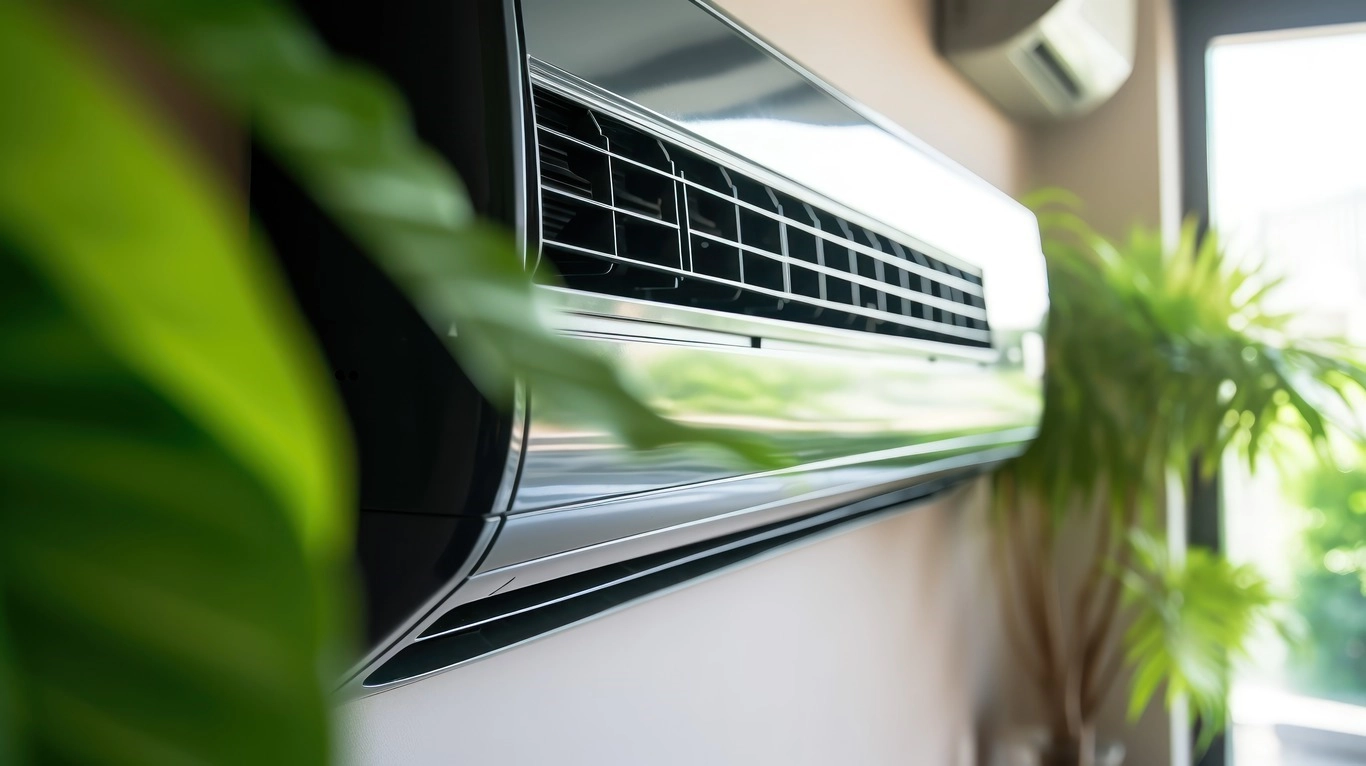
A Front Range AC system does two things most systems elsewhere do not: it works at a derated capacity because of Denver's 5,280-foot elevation, and it runs under an Xcel Energy rate structure that charges more during weekday afternoon peak hours. Maintenance that accounts for both keeps the system running through July and August without a surprise repair bill.
Thinner air at altitude means a Colorado AC system already runs closer to its capacity limit on the hottest afternoons than the same system would at sea level. A dirty filter, low refrigerant, or a clogged coil that a sea-level system tolerates for a season can push a Front Range system past its limit on a 95-degree day.
Refrigerant level checks and any recharge require an EPA-certified technician handling a regulated refrigerant, not a homeowner project. A licensed Front Range HVAC contractor checks the level, tests for leaks, and confirms pressures match the manufacturer's chart for Denver's elevation and the day's outdoor temperature; guides like this overview of a refrigerant check and recharge visit outline what the appointment covers, and a Colorado homeowner can use any licensed technician.
Replace a standard filter every 60 to 90 days through cooling season, and every 30 to 45 days in a home near construction or heavy pollen. Clean the outdoor coil at the start and middle of the season. Flush the condensate line with a cup of vinegar each spring to prevent the algae clog that causes a system to shut down mid-summer.
An evaporative cooler needs new cooling pads once a season because Colorado's mineral content scales them the same way it scales a water heater, plus a spring check of the float valve and pump. Central AC maintenance centers on refrigerant, coils, and electrical connections instead. A home with both systems, common in older Front Range houses that added central AC later, needs both maintenance calendars tracked separately.
AC equipment is rated at sea level. At Denver's elevation, thinner air changes how efficiently a condenser rejects heat, and manufacturers publish derate tables installers use to size a system correctly for the Front Range or higher foothill elevations. A system sized without that derate struggles to keep up on the hottest days even when it is clean and well maintained, which is why sizing matters as much as maintenance.
Xcel Energy runs rebates on qualifying high-efficiency AC and heat pump upgrades, and the current rebate amount and paperwork come from the installing contractor as part of the project quote, since rebate levels reset on a schedule Xcel sets each year. Ask a licensed contractor for current rebate eligibility before scheduling a replacement, not after.
Xcel Energy's time-of-use rate plan charges more per kilowatt-hour during weekday afternoon and early-evening peak hours and less overnight. A programmable or smart thermostat that pre-cools the home before the peak window starts, then lets the temperature drift a few degrees during peak hours, lowers the summer cooling bill under that rate plan without sacrificing comfort in the evening.
A well-maintained central AC system on the Front Range runs 12 to 18 years; a neglected one, especially one running without a derate-appropriate size, commonly needs replacement closer to 10 years. Annual maintenance, logged and kept with the manufacturer warranty paperwork, is the single biggest factor in which end of that range a system lands on. For a general primer on how a residential system's core components work together, see this residential air conditioning overview; a Colorado homeowner should still size and maintain the system to Front Range altitude and climate, not a generic national average.
Colorado's wildfire smoke season, overlapping with peak cooling season in late summer, pushes fine particulate into a home through the same air handler that cools it. A higher-MERV-rated filter, changed every 2 to 3 weeks during a smoke event instead of the standard interval, and a well-sealed duct system both cut down on the smoke that reaches the living space.
A logged maintenance history, filed with permit records and manufacturer warranty paperwork, is what a buyer's agent asks for during due diligence and what the Kenna Real Estate Group's Smart Pricing Report uses to factor a system's remaining life into a home's list price.
Ask for the printable seasonal AC maintenance checklist in the form below and we email it the same day.
The Kenna Real Estate Group reviews AC age, sizing, and maintenance records on every Front Range home we list or show, so cooling costs and remaining system life get priced accurately. Call or text 303-955-4220. A live person answers. Not a robot, not a phone tree. Search every home for sale in Colorado.
Questions about any home in Colorado? Call or text 303-955-4220. A live person answers.
Thinner air at Denver's elevation means a system already runs closer to its capacity limit, so a dirty filter or low refrigerant that a sea-level system tolerates can push a Front Range system past its limit on a hot day.
Replace the filter, clear debris from the condenser, test the thermostat, check the condensate drain line, and schedule a licensed technician for refrigerant and electrical checks.
Only an EPA-certified technician, since refrigerant is a regulated substance. A licensed contractor also checks pressures against the manufacturer's chart for Denver's elevation.
Yes, on qualifying high-efficiency AC and heat pump upgrades. A licensed contractor provides the current rebate amount and paperwork as part of the project quote.
A rate plan that charges more per kilowatt-hour during weekday afternoon and early-evening peak hours and less overnight. Pre-cooling before the peak window lowers the summer bill.
12 to 18 years with annual maintenance and correct altitude sizing; a neglected or improperly sized system commonly needs replacement closer to 10 years.
A higher-MERV filter, changed every 2 to 3 weeks during a smoke event, and a well-sealed duct system both reduce the smoke that reaches the living space.
Logged maintenance and permit records help a buyer's agent during due diligence and factor into a Smart Pricing Report's estimate of the system's remaining life.


