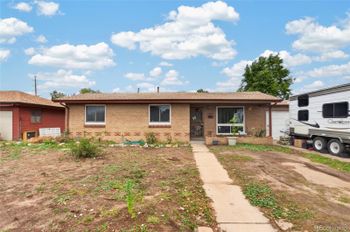
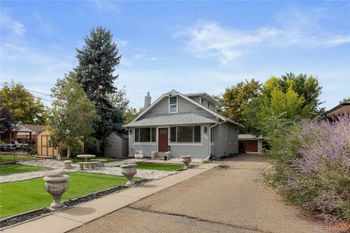
New - 6 Hours Ago

$210,000
Active
1
Beds
1
Baths
728
Sqft
0.02
Acres
4931 Garrison St #103A, Wheat Ridge, CO 80033
MLS#: IR1070848
.jpg)



Selling a Colorado home as-is means one thing: you will not make repairs, and the price reflects that. It does not remove the Seller's Property Disclosure, the federal lead paint form, the Colorado radon disclosure, or the buyer's right to inspect and terminate under the Colorado Contract to Buy and Sell. Run the checklist below before you decide. The trade-offs and the net-price math are in Selling Your Colorado Home As-Is: Pros, Cons and Net Price; this post is the list you work through first.
The Colorado Real Estate Commission's Contract to Buy and Sell Real Estate has no as-is checkbox. Sellers write "Property is sold as-is; Seller will make no repairs" in the additional provisions, or the listing states it and the buyer's offer repeats it. That sentence sets the repair position. Every other clause in the contract still runs: the inspection deadlines, the appraisal deadline, the loan deadlines, the title and survey review, and the association documents deadline.
Two facts follow from that. First, an as-is buyer in Colorado still gets an inspection and still terminates with the earnest money if the inspection findings are worse than the price already reflects. Second, the seller still owes the buyer every known adverse material fact about the property. As-is changes who pays for repairs. It does not change what you tell the buyer.
The Seller's Property Disclosure is a Colorado Real Estate Commission form. You complete it from your actual knowledge, section by section: structure, roof, water, sewer, electrical, mechanical, environmental, HOA. Selling as-is does not shorten it. A seller who checks "no" on a roof leak they patched last spring has a problem after closing, as-is or not. Answer what you know, and attach the receipts, reports and permits that back up the answer.
Write the defects you know about into the listing remarks as well. A buyer who reads "roof has 2023 hail damage, sold as-is, priced accordingly" before showing up writes an offer that already accounts for it. A buyer who finds it on inspection day writes a lower one, or walks.
The Colorado contract sets an Inspection Objection Deadline, an Inspection Resolution Deadline and an Inspection Termination Deadline. On an as-is sale the buyer still uses them. What changes is the seller's answer: the Kenna Real Estate Group tells the buyer's agent at offer time that the seller's response to any objection will be no repairs and no credits, and that the price already reflects the condition. Buyers who accept that in writing before the objection deadline close. Buyers who object anyway are asking to renegotiate, and the seller answers by the resolution deadline with a no.
The one negotiating lever an as-is seller keeps is the closing credit. A $5,000 credit that saves a $600,000 sale is a better outcome than a termination and 30 more days on market. Decide your floor for that credit before the inspection happens, not during it. The full timeline is in the how to sell a house in Colorado guide.
Three systems terminate more Denver metro contracts than everything else combined. Check each one before you choose as-is, because each one also decides which buyers are able to buy your home at all.
| System | What to check | Front Range cost to fix | What happens if you leave it |
|---|---|---|---|
| Roof | Age, hail bruising, missing granules, prior claims. Hail season runs May to September. | $12,000 to $25,000 for asphalt on a 2,000 sq ft home; more for Class 4 impact-resistant shingles | Buyer's insurer inspects roofs over 15 years old and declines or surcharges; FHA and VA appraisers call for repair |
| Electrical panel | Brand on the panel door: Federal Pacific Stab-Lok, Zinsco and Sylvania panels in 1950s to 1980s homes | $2,500 to $5,000 to replace with a 200-amp panel | Buyer's inspector flags it on page one; insurers ask about it on the application |
| Sewer line | Camera scope of the line from the house to the city main; clay tile and Orangeburg in pre-1975 homes, root intrusion, offsets | Scope $150 to $300; replacement $8,000 to $25,000 depending on depth and street cut | Nearly every Denver buyer scopes; a failed scope is the number one credit request |
A seller who knows the answers to these three before listing prices with facts instead of guesses. The fixes that return more than they cost are ranked on the preparing and adding value before selling page, and the buyer-side view of the same list is in the inspection red flags that kill Denver home sales.
An FHA or VA appraiser applies minimum property standards. Peeling paint on a pre-1978 home, a roof with under two years of remaining life, exposed wiring, a non-working furnace, a missing handrail, or a water heater without a pressure relief line each produce a required repair before the loan funds. On an as-is sale the seller has said no to repairs, so an FHA or VA buyer walks or the seller fixes it anyway. Conventional appraisals are less strict, and cash has no appraiser at all.
That is why an as-is home with a bad roof or an old panel sells to a smaller pool: cash and conventional buyers. Sellers who want FHA and VA buyers back in the pool fix the items on the appraiser's list and nothing else. For a read on which loan programs a specific home qualifies for, Mike Oswald, VP of Mortgage Lending at Rate, NMLS 261003, Equal Housing Lender, answers that question for the Kenna Real Estate Group's sellers and buyers. You are free to use any lender. The programs are explained on the Colorado home financing guide.
The Colorado contract includes a source-of-water statement, and the Seller's Property Disclosure asks whether the home is on public water or a well and on public sewer or a septic system. Well homes in Douglas, Elbert and Weld counties come with a permit on file with the Colorado Division of Water Resources; find it before listing. Septic homes in several Front Range counties, Jefferson County among them, require a county inspection and use permit before transfer. Confirm your county health department's rule before you set a closing date, because the inspection takes a licensed inspector and a few weeks.
If the home sits in a common interest community, the contract's association documents deadline still applies. The seller orders the declarations, bylaws, rules, current budget, reserve study, and the status letter from the management company, and pays the transfer and status-letter fees the association charges. The buyer reads them and terminates by the deadline if something in them is unacceptable. Special assessments for roofs and siding are the item that surprises sellers most; read the last two years of board minutes before you list. Fees and rules are covered in the Denver HOA rules and fees guide.
Bentonite clay under much of the Front Range swells when wet and shrinks when dry. Stair-step cracks in brick, doors that stick in spring and open in August, and a heaved basement slab are the signs. A structural engineer's letter costs $400 to $800 and tells the buyer whether the movement is cosmetic or active. Pier and helical-pile repairs run $15,000 to $40,000 and up. Sellers who obtain the engineer's letter before listing sell an as-is home with a known problem; sellers who skip it sell a mystery, and buyers price mysteries at the worst case.
A general inspection on a Front Range home costs $400 to $700 and takes three to four hours. On an as-is sale it does three jobs: it fills in the disclosure with facts, it lets you post the report in the listing so buyers stop guessing, and it gives you the repair list to price against. The Kenna Real Estate Group prices as-is homes with a Smart Pricing Report that starts from repaired comparable sales and subtracts contractor bids plus a discount for the buyer's hassle. Order that report on the pricing your Colorado home to sell page.
As-is fits four situations: an estate sale where the heirs live out of state, a divorce sale under a court deadline, an underwater or short-sale file where the lender approves the price and no one has repair money, and a rental with a tenant in place. In each one the calendar matters more than the last 3 to 5 percent of price. Estate sellers start with selling an estate home in Colorado; underwater sellers start with the Colorado short sales guide.
As-is is the wrong call when the only problems are paint, carpet and a 1990s kitchen. Those homes sell to regular buyers at full price after a $3,000 to $8,000 clean-up, and an as-is label on them costs more than it saves.
The Kenna Real Estate Group, Keller Williams DTC, runs this checklist with Front Range sellers before the listing goes live: the disclosure forms, the three deal-killer systems, the loan programs the home qualifies for, and a Smart Pricing Report with the as-is number and the repaired number side by side. Call or text 303-955-4220. A live person answers. Not a robot, not a phone tree. Buying next? Search every home for sale in Colorado.
Questions about any home in Colorado? Call or text 303-955-4220. A live person answers.
No. The Colorado Real Estate Commission's Seller's Property Disclosure is completed from the seller's actual knowledge on every sale, as-is included. As-is only sets the seller's repair position.
Yes. The buyer keeps the inspection objection, resolution and termination deadlines in the Contract to Buy and Sell and terminates with the earnest money if the findings are worse than the price reflects.
Since August 2023, Colorado sellers give buyers a radon warning statement, disclose known test results and any mitigation system, and provide the state health department's radon brochure.
FHA and VA buyers, because their appraisers require a roof with at least two years of remaining life and call for the repair before the loan funds. Cash and most conventional buyers close on it.
$150 to $300. A clay or Orangeburg line in a pre-1975 Denver home is the most common credit request; knowing the result first lets you price it instead of negotiating it.
Pier and helical-pile repairs on expansive-soil damage run $15,000 to $40,000 and up. A structural engineer's letter for $400 to $800 tells the buyer whether the movement is active.
Yes. The association documents deadline applies to every Colorado sale in a common interest community: declarations, bylaws, rules, budget, reserve study and a status letter from management.
An as-is MLS listing brings the higher price in nearly every Denver metro case; a direct cash offer brings the faster close. Get both numbers before you sign either.