New - 3 Hours Ago
.jpg)


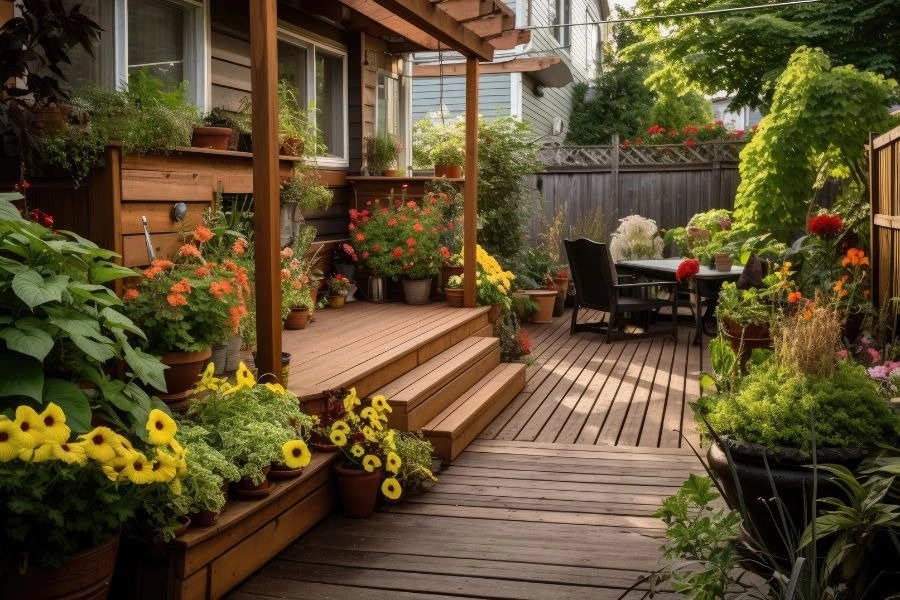
A cozy Front Range backyard starts with shade and a wind break, not furniture, because Colorado's 300 days of sun and afternoon wind gusts are what keep an open patio from feeling comfortable. Add a pergola, a few well-placed water-wise trees or a fence-line hedge, and even a small Denver metro backyard reads as an outdoor room instead of an empty slab.
The same backyard plan has to work through a short growing season, hail season from spring through September, and whatever water restrictions the local utility sets for that summer, which is why a Front Range backyard project looks a little different from the same project in a milder, wetter climate.
Shade, wind protection and a defined edge do most of the work. A backyard without any wind break feels exposed even with nice furniture in it, since Front Range gusts, especially in spring, move umbrellas and light chairs around and make conversation harder. A pergola, a section of solid fence, or a row of hardy shrubs along the windward side changes the whole feel of the space without adding square footage.
Built shade, a pergola, shade sail or covered patio, delivers immediate comfort while newly planted trees establish over their first two or three seasons in Colorado's shorter growing window with its late spring frosts. Pairing a structure with fast-establishing, hardy trees like hackberry or Kentucky coffeetree gives a yard shade this year and more of it every year after.
Yes. Placing a fire pit and seating area on the leeward side of the house or a fence, away from the prevailing wind direction, keeps smoke and heat where people are sitting instead of blowing it sideways. Heavier furniture, or furniture with a low center of gravity, stays put better than light stackable pieces during a gusty afternoon.
Many Front Range counties and cities issue temporary open-burn restrictions during dry, high-wind stretches, which can pause wood-burning fire pit use even outside the winter months. A propane or natural gas fire feature is not affected by most open-burn bans and is the more reliable option for a homeowner who wants year-round use. Check the current county fire restriction status before lighting a wood fire, especially from late spring through fall.
No. A well-designed xeriscape bed layers ornamental grasses, drought-tolerant perennials and structured hardscape the same way a traditional garden layers plantings, and it reads as intentional and lush rather than sparse once it is established. Combining a xeriscape bed with a small turf area for a defined seating spot, rather than converting the whole yard at once, is a common Front Range approach that satisfies most HOA turf limits while keeping some green lawn.
| Material | UV resistance | Hail resistance |
|---|---|---|
| Powder-coated aluminum | High | High |
| Teak or other hardwood | High with oiling | High |
| Resin wicker | Moderate, fades over time | Moderate, can crack |
| Basic plastic resin | Low, becomes brittle | Low, cracks easily |
Cushions and umbrellas fade fastest under Colorado's intense high-altitude UV regardless of frame material, so look for fabric rated for high UV exposure and plan to store or cover cushions during hail season storms.
Many Front Range HOAs require architectural review approval for a permanent fire pit, pergola or built seating wall, and some restrict wood-burning fire pits outright regardless of county fire restrictions. Submit plans before building rather than after; a structure built without required approval can trigger a removal order. Some HOAs also require a minimum setback from the property line and the neighboring fence, which affects where a fire pit or pergola can legally sit even on a large lot.
An open, freestanding pergola without a solid roof does not need a building permit in most Front Range cities, while a covered patio with a solid roof attached to the house does, since it changes the structure and load path of the home. Check with the local building department before starting, since the line between "pergola" and "covered structure" is where most permit confusion happens.
A pergola with a solid or slatted-close roof needs framing sized to carry Front Range snow load, not just wind and its own weight; an open-lattice pergola sheds most snow through the gaps and carries less structural risk. Confirm the load rating with the installer or permit office before choosing a roof style, especially for a structure attached to the house. A retractable canopy is a middle option: it provides shade in summer and closes before a heavy snow so it never has to carry that load at all.
Ornamental grasses, Russian sage, catmint, yarrow and native penstemon all thrive on Front Range rainfall plus occasional deep watering, and they fill in a bed with color and texture without the water bill of a full bluegrass lawn. Grouping plants by water need, rather than spreading thirsty and drought-tolerant species together, makes it easier to water efficiently under a utility's tiered rate schedule. Adding two or three flowering perennials that bloom at different points in the season keeps a xeriscape bed from looking static once the initial spring color fades.
Wait until the danger of a late frost has clearly passed before putting a new tree or tender perennial in the ground, since a Front Range cold snap can still hit well after a warm early stretch. Hardy, well-adapted species handle an unexpected light frost better than tropical or borderline-hardy plants, which is one more reason to lean on Colorado-adapted species for a backyard that will keep looking good through an unpredictable spring.
Yes, especially since Front Range evenings cool quickly even after a hot afternoon, and warm, low-level path and string lighting extends how late a backyard stays comfortable to use. LED fixtures rated for outdoor temperature swings hold up better than budget fixtures, and pairing lighting with the fire pit or seating area ties the whole cozy-backyard plan together.
| Project | Typical Front Range cost |
|---|---|
| Freestanding open pergola | $2,500 to $8,000 |
| Gas fire pit, built-in | $1,500 to $4,500 |
| Xeriscape bed conversion (per 500 sq ft) | $2,000 to $6,000 |
| Outdoor furniture set, weather-rated | $800 to $3,000 |
Utility turf-replacement rebates in several Front Range service areas offset part of a xeriscape conversion, which changes the real cost of that line item; check current rebate amounts with the local water provider before budgeting the project.
A backyard that already reads as a finished outdoor room, shade, defined seating, low-maintenance planting, shows better to a buyer than a bare yard the buyer has to imagine improving. It is one of the higher-return projects covered in the guide to adding value before selling, and it photographs well for listing marketing, which matters in every Front Range market from Denver to Colorado Springs.
The Kenna Real Estate Group helps Front Range sellers decide which backyard upgrades are worth doing before listing and helps buyers weigh a property's outdoor space, HOA rules and water costs before writing an offer. Call or text 303-955-4220. A live person answers. Not a robot, not a phone tree. Ready to look at homes instead? search every home for sale in Colorado.
Questions about any home in Colorado? Call or text 303-955-4220. A live person answers.
A pergola, shade sail or covered patio gives immediate comfort while newly planted trees establish over their first two to three seasons in Colorado's shorter growing window.
Counties issue temporary open-burn restrictions during dry, windy stretches from spring through fall. A propane or natural gas fire feature is not affected by most of those bans.
Many Front Range HOAs require architectural review approval for permanent structures and some restrict wood-burning fire pits outright. Submit plans before building.
No. Layered ornamental grasses, drought-tolerant perennials and structured hardscape create a lush look while using far less water than a full turf lawn.
Powder-coated aluminum and oiled hardwood resist both intense UV and hail better than resin wicker or basic plastic, which fade and crack faster at altitude.
A solid-roof covered patio attached to the house needs a building permit; a freestanding open pergola does not. Confirm with the local building department before starting.