.jpg)


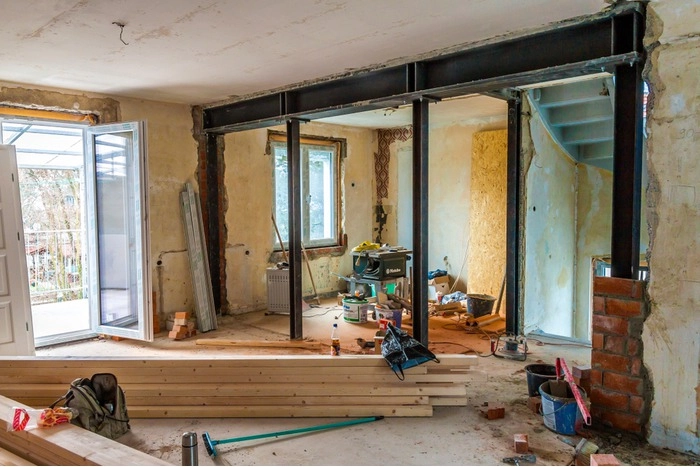
Start an old-house renovation in Colorado with the foundation, the roof and the electrical panel, not the kitchen. Expansive clay soil, decades of freeze-thaw cycles and outdated wiring cause the problems that turn a cosmetic remodel into a structural one, so a Front Range fixer-upper needs an inspection-first order of operations.
Where do I start when renovating an old house in Colorado?
Get a full inspection, foundation, roof, electrical panel, plumbing and furnace, before you touch paint or flooring. On the Front Range, structural and mechanical issues hide behind cosmetic finishes more than in most states, because expansive clay soil and altitude both stress a house in ways a sea-level inspector would not flag.
Does expansive clay soil affect an older Colorado home's foundation?
Yes. Bentonite clay soil across much of the Front Range expands when wet and contracts when dry, which cracks and heaves foundations built before modern soil-engineering standards became common. A structural engineer's foundation evaluation runs $500 to $1,500 and is worth ordering before you renovate a home built before the 1980s.
What permits does an older-home renovation need in Denver?
Any electrical, plumbing, mechanical or structural work needs a permit, and Denver requires a licensed contractor for most of that trade work; Colorado has no statewide contractor license, so verification happens at the city level. A kitchen or bathroom remodel that touches wiring or plumbing needs a permit even in a house that has never had one before.
How do I find unpermitted work in a house I already own?
Pull your property's permit history from the county or city building department's online records and compare it against what you can see, a finished basement, an added bathroom, a converted garage. A gap between what exists and what was permitted is unpermitted work, and it needs to be addressed before you build on top of it or sell the house.
What do I have to disclose about unpermitted work when I sell?
Colorado's seller property disclosure asks directly about known unpermitted work, and a seller who knows about it and does not disclose it creates legal exposure after closing. Disclose it, and expect a buyer's inspector and lender to flag it during the inspection objection period.
Does an old house need a foundation inspection before renovating?
Yes, especially before an addition, a basement finish or any project that adds weight or changes drainage around the house. A foundation issue found during renovation costs far less to fix than one found after you have finished the interior around it.
How does altitude affect a gas furnace or water heater in an old house?
Gas appliances rated for sea level need a high-altitude rating or a professional derate above about 5,000 feet, and an old furnace or water heater in a Front Range home installed without that adjustment runs inefficiently or carelessly. Replace an old gas appliance with a high-altitude-rated model, and have a licensed HVAC contractor verify the installation.
Does an old roof need to be replaced before other renovation work?
If the roof is past its service life or has hail damage, replace it before an interior remodel; a leak during construction can ruin new drywall, flooring and cabinetry. A roof replacement on a Front Range home runs $10,000 to $22,000 for architectural shingles.
What electrical issues are common in older Colorado homes?
Knob-and-tube wiring, aluminum wiring, and 60-amp or 100-amp panels undersized for modern appliance loads all show up in Front Range homes built before the 1970s. A full panel upgrade to 200 amps runs $2,500 to $5,000 and is a common requirement before insurers will write or renew a homeowner's policy.
Should I renovate room by room or all at once?
Fix structural, electrical, plumbing and roof issues across the whole house first, then renovate cosmetically room by room as budget allows. Doing cosmetic work before mechanical work means redoing finished surfaces when a plumber or electrician has to open a wall later.
Does a historic district restrict renovation in Denver?
Yes. A home in one of Denver's designated historic districts needs Landmark Preservation Commission review for exterior changes, window replacement, additions and demolition, on top of the standard building permit. Check your address against Denver's historic district map before you plan exterior work.
How do I budget for surprises in an old-house renovation?
Add 15% to 25% on top of your contractor's bid for an older home, more if the foundation, roof or electrical panel has not been inspected yet. Front Range old-house renovations routinely uncover soil movement, hidden water damage or wiring issues that were not visible before demolition started.
Does old plumbing need to be replaced before a kitchen remodel?
Galvanized steel and old cast-iron plumbing, both common in Front Range homes built before the 1960s, corrode from the inside and restrict flow long before a visible leak appears. A plumber's camera inspection before a kitchen or bathroom remodel is inexpensive compared to redoing new finishes after a hidden pipe fails.
What should I check before buying a fixer-upper in Colorado?
Order a foundation evaluation, a full home inspection, and a permit-history pull from the county before you close, and use Colorado's inspection objection deadline, negotiated in the contract, to renegotiate price or request repairs based on what you find. See our Denver fix-and-flip guide for a full pre-purchase checklist.
Where to go next
- Denver fix-and-flip guide: what to check before you buy
- Denver ADU, zoning and historic district guide
- Denver property taxes: how the bill works
- Does a general contractor need a license by state
- Preparing and adding value before selling
- Search every home for sale in Colorado
Talk to the Kenna Real Estate Group
Buying or renovating a Front Range fixer-upper, the Kenna Real Estate Group can walk the inspection report with you and pull comparable sales for renovated versus unrenovated homes on your block. Call or text 303-955-4220 A live person answers. Not a robot, not a phone tree. Or search every home for sale in Colorado to see what fixer-uppers are on the market right now.
Homes for sale that match this post
- Fixer Upper Homes in Denver
- Homes with Gourmet Kitchen in Denver
- Homes with Finished Basement in Denver
- Basement: guide
- Homes with 2 Car Garage in Denver
- All homes for sale in Denver
Guides
Questions about any home in Colorado? Call or text 303-955-4220. A live person answers.