New - 4 Hours Ago

.jpg)


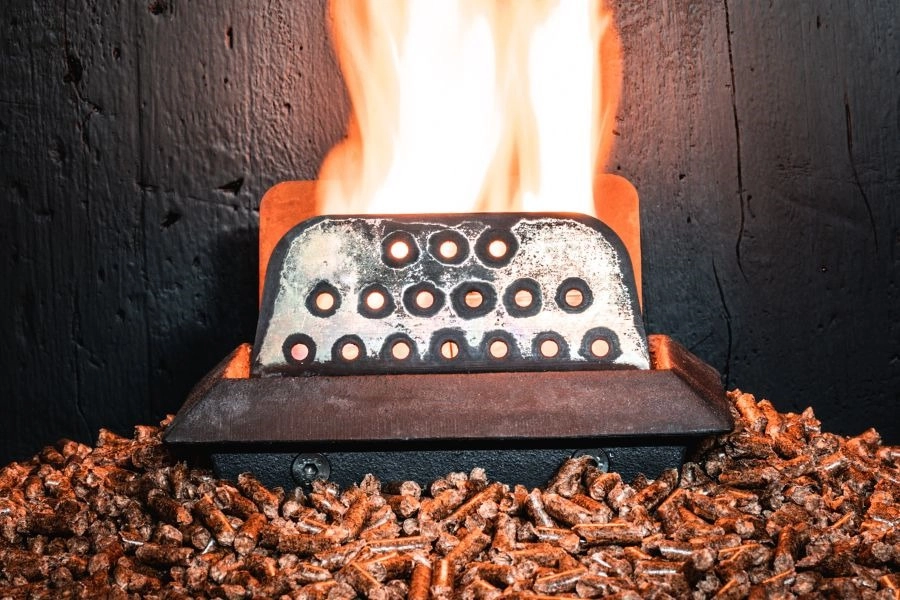
A pellet stove burns hotter and cleaner in a Colorado home once it is set up for the state's thin, dry air: run high-quality pellets, keep the burn pot and venting clean on a weekly schedule, and confirm the stove has the altitude-adjusted settings most manufacturers require above 4,500 feet. Denver sits at 5,280 feet, and a stove running factory sea-level settings will burn inefficiently and produce more soot buildup than one set up correctly for elevation.
Thinner air at altitude carries less oxygen per cubic foot, which starves a pellet stove's burn pot if the combustion air setting is left at the factory default built for sea level. Most manufacturers publish an altitude kit or a recalibrated air-to-fuel setting for installations above 4,500 feet, and Front Range homes from Denver through Colorado Springs all fall in that range. Ask the installer or a certified hearth technician to confirm the stove's air intake is set for local elevation, not shipped as-is.
Yes. An altitude kit adjusts the combustion blower speed and the auger feed rate so the stove delivers the correct fuel-to-air ratio at reduced oxygen levels. Skipping this step is the most common reason a pellet stove burns cool, produces excess smoke, or clogs the burn pot faster than the manufacturer's stated cleaning interval.
Soot and ash build up fast with regular use, and a dirty burn pot is the top reason a stove loses heat output over a Front Range winter. Clean the hopper, burn pot, air inlet, and ash tray every 1 to 2 weeks during heavy winter use, and schedule a full professional cleaning and inspection once a year, ideally in late summer before the first cold snap.
Low-grade pellets absorb moisture faster in storage and clog the auger and burn pot, cutting heat output and increasing ash residue. Buy premium hardwood or softwood pellets rated under 1% ash content, and store bags off the garage floor on a pallet, since Front Range humidity swings enough between seasons that concrete-floor moisture still reaches paper pellet bags over a full winter.
Store pellets in a dry, covered space away from any moisture source, including a humidifier vent or an exterior wall prone to condensation. A detached garage or a dedicated storage bin inside works better than an unheated shed exposed to Front Range temperature swings between day and night, which drive condensation inside a sealed bag faster than steady cold does.
Open the damper wider for a hotter, faster burn and narrow it to extend a burn at lower heat output, adjusting through the evening as the home's heat demand changes. Combined with an altitude-corrected air setting, damper adjustment gives a Front Range homeowner real control over heat output without wasting pellets on an over-fed fire.
The auger feeds pellets automatically from the hopper into the burn pot, and an empty hopper stops the fire mid-cycle, which matters most during a hard Front Range cold snap when overnight temperatures drop fast. Check the hopper level before bed on nights below freezing and keep at least one full bag on hand through the winter months.
Denver, Aurora, Lakewood, and Colorado Springs each require a mechanical permit for a new pellet stove installation and its venting, separate from the appliance purchase itself. The permit review checks vent clearance to combustible materials and termination distance from windows, doors, and property lines. An installer pulling the permit and scheduling inspection is worth the cost over a self-install that skips this step, since an unpermitted install becomes a disclosure and insurance issue later.
An exterior vent pipe through a wall or roof counts as an exterior change in most Front Range HOA and metro district communities, which means an architectural review submission before installation. Check the covenants first, since some HOAs restrict visible vent placement on street-facing walls.
Notify the insurance carrier once a pellet stove is installed, since solid-fuel appliances require disclosure and sometimes a separate inspection before the policy reflects the added coverage. A permitted install with a certified installer's paperwork on file makes that conversation faster than an unpermitted or self-installed unit.
Colorado's standard seller disclosure form covers the working order of permanent fixtures, and an installed pellet stove and its venting fall under that category. Keep the permit close-out paperwork and the last service date on file, since a buyer's inspector will flag a solid-fuel appliance without visible maintenance records during the inspection objection deadline.
Pellet fuel runs roughly $250 to $300 a ton, and a stove burning as a supplemental heat source through a Front Range winter uses 1 to 3 tons depending on square footage and how much of the heating load it carries. Compared to a full winter of natural gas furnace use through Xcel Energy, a pellet stove works best as a supplement to lower the furnace's runtime rather than as the sole heat source for an entire home, unless the home is small or the stove is sized and placed for whole-house circulation.
Dispose of ash into a metal container with a tight lid and let it cool for at least 48 hours before moving it outside, standard practice year-round but especially important during the dry stretch from late spring through fall when defensible-space rules apply in wildfire-mapped Front Range foothill communities. Keep the ash container away from dry vegetation, mulch beds, and wood decking regardless of the season.
A pellet stove rarely adds direct dollar-for-dollar value the way a kitchen or bathroom remodel does, but it does help market a home during a Front Range cold snap by showing buyers a working supplemental heat source with lower fuel cost than running a furnace alone. Sellers weighing a pellet stove against other upgrades before listing can compare return data in the Kenna Real Estate Group's post on which renovations actually add resale value.
A pellet stove runs on an electric auger and needs power to operate, while a wood stove needs no electricity and runs on split or cordwood instead of bagged fuel. Pellet stoves burn more consistently and produce less visible smoke, which matters in any Front Range county with air-quality burn restrictions during high-pollution winter days, since pellet stoves are exempt from those restrictions in most Front Range counties while wood-burning devices sometimes are not.
The Kenna Real Estate Group helps Front Range homeowners understand how a pellet stove, permit history, and other fixtures factor into a home's disclosure and resale value. Call or text 303-955-4220. A live person answers. Not a robot, not a phone tree. Or search every home for sale in Colorado to see current listings across the metro.
Questions about any home in Colorado? Call or text 303-955-4220. A live person answers.
Denver's 5,280-foot elevation reduces available oxygen, which starves the burn pot if the stove is still set to factory sea-level settings. An altitude kit corrects the air-to-fuel ratio.
Yes. Denver, Aurora, Lakewood, and Colorado Springs each require a mechanical permit for the appliance and its venting.
Clean the hopper, burn pot, air inlet, and ash tray every 1 to 2 weeks during heavy winter use, plus one full professional cleaning a year.
Premium hardwood or softwood pellets rated under 1% ash content, stored off the garage floor in a dry, covered space away from condensation.
Notify the carrier once it is installed. Solid-fuel appliances require disclosure, and a permitted install with paperwork on file speeds up that process.
Pellet fuel runs about $250 to $300 a ton, with 1 to 3 tons used per winter as a supplemental heat source alongside a natural gas furnace.
Yes. Colorado's seller disclosure form covers permanent fixtures, and buyers' inspectors check for permit and maintenance records on solid-fuel appliances.
Cool ash for at least 48 hours in a metal container with a tight lid, then keep it away from dry vegetation, mulch, and decking year-round.


