.jpg)


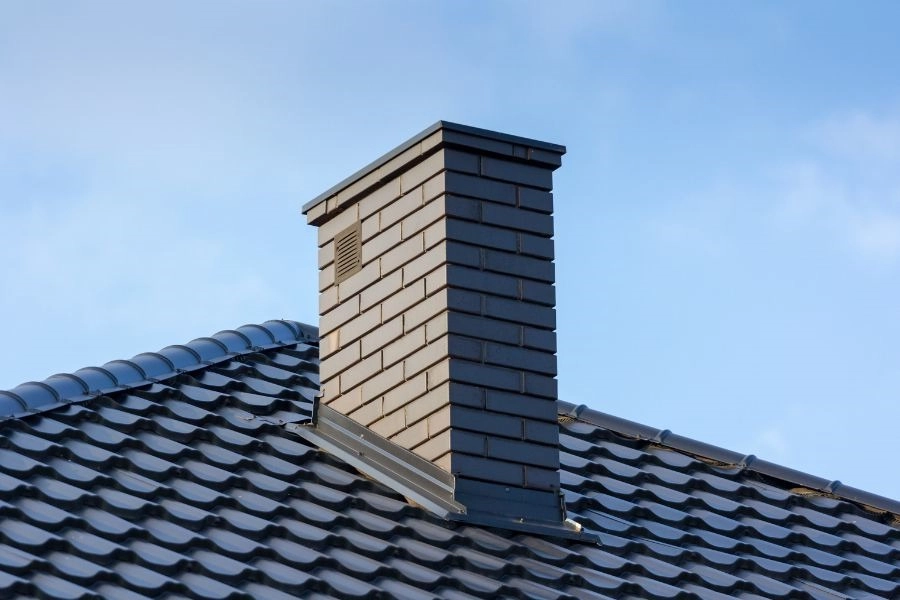
A Front Range fireplace gets more use than most people expect, cold mountain air pulling through Denver's Front Range from October through March, and every hour of use packs a little more creosote into the flue. Knowing what a real chimney cleaning service checks, and the actual cleaning schedule Colorado's climate calls for, keeps that convenience from turning into a chimney fire.
How many times a year should a Colorado wood-burning fireplace be cleaned?
Once a year for regular use, and the National Fire Protection Association recommends an annual inspection no matter how much the fireplace gets used. A Front Range household that burns wood several nights a week all winter should have the flue checked mid-season too, since creosote builds up faster with heavy use.
What does creosote buildup do inside a Front Range chimney?
Creosote is a byproduct of wood combustion that coats the inside of a flue in a flammable residue. Colorado's dry air actually helps it accumulate: dry wood burns hotter and faster, which can push more unburned particulate up the flue if the wood wasn't properly seasoned first. A thick creosote layer is the direct cause of most residential chimney fires.
How much does chimney cleaning cost in the Denver metro?
| Service | Typical Front Range cost |
|---|---|
| Standard sweep and inspection | $150 - $300 |
| Level 2 inspection (video scan, pre-sale) | $250 - $450 |
| Creosote removal (heavy buildup) | $300 - $600 |
| Chimney cap or crown repair | $300 - $1,200 |
What certifications should a Colorado chimney sweep have?
Look for CSIA certification, the national training and inspection standard for the chimney-sweep trade. A certified sweep offers a written report describing flue condition, not just confirmation that the job was done.
Does Denver restrict wood-burning fireplaces on high-pollution days?
Yes. The Regional Air Quality Council issues High Pollution Advisories on winter inversion days across the Denver metro, and on those days voluntary or mandatory burn restrictions apply to older, non-EPA-certified wood-burning fireplaces and stoves in several Front Range counties. Newer EPA-certified units are exempt. Check the current advisory status before burning on a stagnant, high-pollution winter day.
How does wildfire smoke season affect indoor air near a fireplace flue?
During wildfire smoke advisories, July through September, an open or poorly sealed flue damper lets outside smoke drift into the home even when the fireplace isn't in use. Confirming the damper seals tightly is worth checking alongside a routine cleaning.
Do HOAs restrict wood-burning fireplaces or require chimney inspections?
Some Front Range HOAs limit wood-burning units to gas or EPA-certified inserts in newer developments, and a few require proof of annual chimney inspection as part of fire prevention standards for attached townhomes. Check the covenants before assuming a wood-burning fireplace is unrestricted.
What should a chimney inspection cover before winter on the Front Range?
- Flue liner condition, checked for cracks that let heat or sparks reach combustible framing.
- Creosote thickness, measured rather than estimated, to decide whether a sweep is needed now or can wait.
- Chimney cap and crown, checked for the freeze-thaw cracking common on Front Range masonry after a hard winter.
- Damper function, confirmed to seal fully when closed, both for wildfire smoke season and for winter heat loss.
How does freeze-thaw cycling damage a chimney's exterior masonry?
Water that gets into a mortar joint or a hairline crack in the chimney crown expands when it freezes, widening the gap each cycle through a Front Range winter. Left unaddressed for a few seasons, this is how a small crown crack turns into spalling brick and a masonry repair bill several times larger than a $200 to $400 crown seal would have cost.
When should a wood-burning stove or insert be replaced instead of cleaned?
Replace a wood-burning stove once the firebox shows visible warping or cracking, the door gasket no longer seals, or the unit is old enough that it isn't EPA-certified, since newer certified units burn more efficiently and are not subject to burn restrictions on a high-pollution advisory day.
Does a home inspection in Colorado include the chimney and flue?
A standard Colorado home inspection covers the visible, accessible portions of the chimney and fireplace but stops short of a full flue video scan. Buyers of a home with a wood-burning fireplace should request a Level 2 chimney inspection separately, especially on an older Front Range home, before the inspection objection deadline closes.
What questions should you ask a chimney cleaning company before hiring?
- Are your sweeps CSIA-certified, and can I see the certification number?
- Does the service include a written inspection report, not just a cleaning?
- Do you check the cap, crown and flashing for freeze-thaw damage?
- What's included if you find a problem that needs follow-up work?
How does an unclean chimney affect a home sale on the Front Range?
A fireplace that hasn't been serviced shows up in seller disclosure and triggers a buyer's request for a chimney inspection during the objection period. A recent inspection report and sweep receipt in hand at listing removes that item from negotiation entirely.
Does altitude change how efficiently wood burns in a Front Range fireplace?
Thinner air at 5,280 feet and higher carries less oxygen per breath of draft, which can make wood burn cooler and less completely than the same fireplace would burn near sea level. Cooler, incomplete combustion produces more creosote, not less, which is one more reason a mountain or foothills home needs cleaning more than once in a heavy-use season.
What is creosote glaze and why is it more dangerous than flaky buildup?
Glazed creosote forms when repeated cool, smoldering fires coat the flue in a hardened, tar-like layer instead of the loose, flaky soot a sweep brushes out easily. Glaze burns hotter and longer than ordinary creosote and is harder to remove with a standard brush, requiring a chemical treatment or mechanical rotary cleaning. A household that regularly burns unseasoned or wet firewood is the most common candidate for glaze buildup.
Do gas fireplaces need the same annual service as wood-burning units?
Gas fireplaces don't produce creosote, but they still need an annual check of the burner, venting and gas connections. A Front Range gas insert that sits unused for months over summer benefits from a pre-season check to confirm the pilot, igniter and venting are still working correctly before the first cold night.
How does an older, pre-1970 Front Range home change chimney maintenance needs?
Older Denver metro homes more commonly have unlined or clay-tile-lined flues that were never upgraded to a modern stainless liner. These older liners crack more easily after decades of freeze-thaw cycling and heat stress, so a Level 2 video inspection matters even more before buying or selling a pre-1970 home with an original chimney.
Where to go next
- Weatherproofing Your Home for the Colorado Climate
- Colorado Hail and Roof Costs: What to Compare
- Preparing and Adding Value Before Selling
- The Colorado Home Seller's Guide
- The Colorado Home Buyer's Guide
Talk to the Kenna Real Estate Group
Buying a home with a wood-burning fireplace, or getting one ready to list? The Kenna Real Estate Group can tell you what Front Range buyers and inspectors expect to see documented. Call or text 303-955-4220. A live person answers. Not a robot, not a phone tree. Or search every home for sale in Colorado to see what's listed near you.
Homes for sale that match this post
Guides
Questions about any home in Colorado? Call or text 303-955-4220. A live person answers.