.jpg)


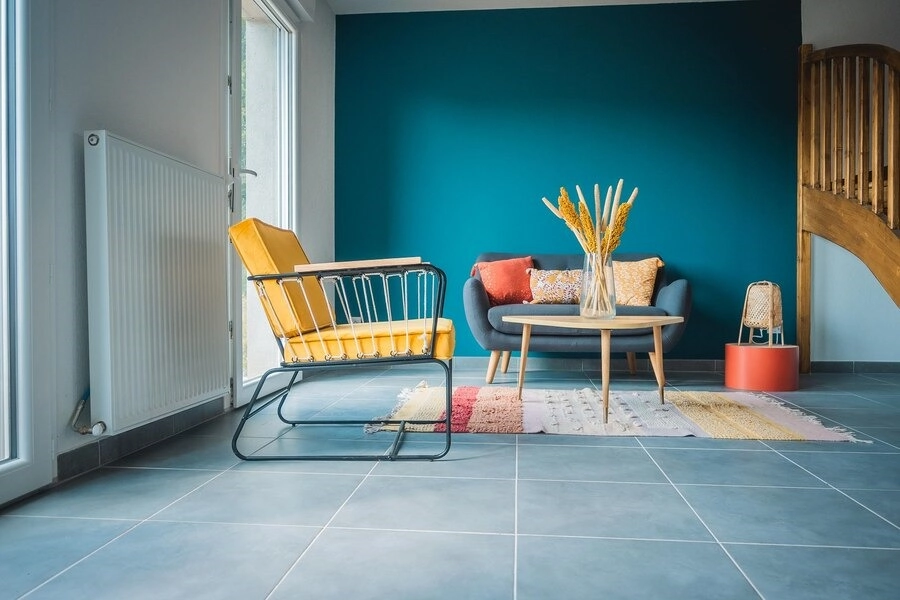
The flooring trend worth doing in a Colorado home in 2026 is the one that survives this climate: 300 days of sun a year, humidity that sits in the teens and twenties most of the winter, and a spring mud season that tracks grit across every entry. Style matters, but in Denver, Aurora, Fort Collins and Colorado Springs the material has to survive the air before it gets to matter for resale.
What flooring trends hold up in a Colorado home in 2026?
Wide-plank white oak, engineered hardwood, and large-format porcelain tile are the three trends actually built for this climate. All three resist the wood movement that Colorado's low humidity causes, and all three photograph well for a listing. Checkerboard tile and patterned wood inlays are having a moment nationally, but they cost more to install and repair, so treat them as a design choice for a home you plan to keep, not a resale play.
Does solid hardwood work in Colorado's dry climate?
Solid hardwood moves. Denver's indoor humidity drops into the 15% to 25% range for months at a time once the furnace runs, and solid wood planks shrink across the grain when the air dries out, opening gaps between boards each winter and closing them again in summer. The boards themselves are not damaged by this, but the gaps bother a lot of owners enough that they regret the choice. Engineered hardwood, which is a hardwood veneer over a plywood core, moves less and is the more stable pick above grade in a Front Range home. A whole-house humidifier tied to the furnace narrows the swing for either product.
What flooring handles Front Range freeze-thaw and mud season best?
Entries and mudrooms take the worst of it: mag chloride de-icer tracked in on boots, snowmelt, and grit from unpaved trails. Porcelain tile, sealed concrete, and waterproof luxury vinyl plank (LVP) are the three materials that shrug this off. Carpet and solid hardwood in a front entry are the two choices that show wear fastest in a Colorado winter.
Is luxury vinyl plank worth it for a Denver metro home?
For a rental, a basement, or a household with kids and pets, yes. Waterproof LVP runs roughly $6 to $12 per square foot installed in the Denver metro, resists the grit and moisture of a Colorado winter, and looks close enough to wood in photos that most buyers cannot tell from a listing photo. It is not a step up from real hardwood in a home over $700,000, where buyers expect solid or engineered wood on the main floor.
What flooring works with radiant floor heat?
Radiant heat is common in Front Range basements and in newer Colorado builds, and it changes the flooring math. Tile and engineered hardwood (rated for radiant use by the manufacturer) transfer heat well and stay stable. Solid hardwood and thick carpet pads insulate against the heat they are meant to deliver, so they are the two worst matches for a radiant slab.
Which flooring upgrades add the most resale value in Denver?
Replacing worn carpet with hardwood or a convincing engineered wood on the main floor is the single flooring upgrade Denver buyers respond to fastest, because most search filters and agent tours treat "hardwood floors" as a checkbox. Refinishing existing hardwood instead of replacing it returns more per dollar spent than almost any other flooring project. New carpet in bedrooms only, paired with hard surface everywhere else, is the combination Front Range buyers expect at most price points.
| Flooring | Installed cost (Denver metro, per sq ft) | Best use in a Colorado home |
|---|---|---|
| Waterproof LVP | $6 to $12 | Basements, rentals, entries, mudrooms |
| Engineered hardwood | $9 to $16 | Main floor, radiant heat, resale |
| Solid hardwood | $10 to $18 | Main floor above grade, older homes with existing wood to match |
| Porcelain tile | $10 to $20 | Entries, bathrooms, kitchens, mud season traffic |
| Carpet | $4 to $8 | Bedrooms, basements without radiant heat |
What does new flooring cost per square foot installed in Denver?
See the table above for a starting point. Expect the low end of each range for a straightforward tear-out and install on a flat subfloor, and the high end once the crew has to level an old subfloor, remove existing tile, or work around cabinetry. Get quotes from at least two Front Range installers before signing; labor pricing varies more than material pricing across the metro.
Do HOAs restrict flooring types in Colorado condos and townhomes?
Many do, and it is one of the most common renovation surprises in Highlands Ranch, downtown Denver lofts, and other attached-home communities. HOAs that share a building structure frequently require sound-dampening underlayment under any hard-surface flooring on an upper level, and some restrict hardwood or tile on upper floors entirely. Read the Denver HOA rules and fees guide and pull your community's architectural guidelines before you order material, not after.
What flooring holds up best with pets in a Colorado home?
Waterproof LVP and porcelain tile are the two most scratch- and moisture-resistant choices for a household with dogs tracking in mud season grit. Solid hardwood scratches under claws faster than either, though a matte or hand-scraped finish hides wear better than a high-gloss finish.
How does high-altitude sun fade flooring, and which materials resist it?
UV exposure at 5,280 feet and higher is stronger than at sea level, and a room with south- or west-facing windows fades wood and vinyl flooring unevenly over a few years if the light hits the same strip of floor every afternoon. Tile does not fade. Engineered and solid hardwood do, especially unfinished-look and light natural finishes. Rotating rugs and adding UV window film on the sunniest exposures slows the fade on wood floors more than any flooring choice does on its own.
Is tile practical for a Colorado entryway during mud season?
Yes. A tiled entry with a durable mat catches the grit and moisture each spring, when unpaved trails and yards turn to mud across the Front Range, and it wipes clean in a way carpet and unsealed wood cannot.
What flooring trends should a seller skip before listing?
Skip anything a buyer reads as a maintenance flag: patterned tile in a small bathroom, dark stained hardwood in a low-light basement, and carpet tile squares anywhere on the main floor. A neutral engineered wood or a well-refinished existing hardwood floor photographs better and appraises more predictably than a bold trend piece.
How long does new flooring take to install in an occupied Front Range home?
Plan on one to three days for LVP or engineered wood in a typical room, two to four days for a full main-floor hardwood refinish (plus time for the finish to cure before furniture moves back), and three to five days for a tile entry or kitchen once demo and leveling are included.
Does carpet still make sense anywhere in a Colorado home?
Bedrooms, mainly. Carpet muffles sound in a two-story home, adds warmth in a Front Range winter, and costs less than any hard-surface option. In a basement without radiant heat or reliable drainage, skip it in favor of LVP; a sump pump failure or a slow leak ruins carpet fast.
Engineered or solid hardwood for Colorado's humidity swings?
Engineered hardwood, for most Front Range homes. The plywood core resists the seasonal shrink-and-swell cycle that solid wood goes through here, and it costs about the same installed. Solid hardwood still makes sense when you are patching or extending an existing solid floor in an older Denver home, so the new boards match the old ones exactly.
Should I match a trend or match what buyers expect in my Denver suburb?
Match the suburb. A mid-century home in a Denver bungalow neighborhood sells on refinished original hardwood; a 2010s build in Stapleton or a new-build community in Parker sells on wide-plank engineered wood and large-format tile. Pull recent comparable sales for your block through the Smart Pricing Report before choosing a finish, so the flooring matches what buyers on your street already expect.
What flooring is easiest to maintain with Colorado dust and pollen?
Hard surfaces win here too. Denver's dust, cottonwood fluff in June, and wildfire smoke ash in late summer settle into carpet fibers and stay there between vacuum passes. LVP, tile and sealed hardwood wipe or mop clean in minutes.
Are wide-plank floors a good fit for an older Denver home?
Sometimes. Wide planks (7 to 10 inches) show subfloor irregularities more than narrow strip flooring does, and a lot of Denver homes built before the 1960s have subfloors that have moved over the decades. Have an installer check the subfloor before committing to wide planks; narrower engineered planks are the more reliable choice over an uneven original subfloor.
What flooring should a rental property in Colorado skip?
Skip carpet in common areas and solid hardwood everywhere. Both cost more to repair between tenants than waterproof LVP, which survives moves, pets and turnover cleaning without refinishing. See the rental property checklist for the full walk-through on what to budget for between tenants.
Where to go next
- Preparing and adding value before selling
- Pricing your Colorado home to sell
- The Colorado Home Seller's Guide
- Top flooring choices that help boost home value in Denver's competitive market
- Explore Denver
- Search every home for sale in Colorado
Talk to the Kenna Real Estate Group
The Kenna Real Estate Group tells Front Range sellers which flooring project actually moves their number before they spend a dollar on it, using recent comparable sales on their street, not a national trend list. Call or text 303-955-4220. A live person answers. Not a robot, not a phone tree. Or search every home for sale in Colorado to see what buyers are paying for right now.
Homes for sale that match this post
- Basement: guide
- Homes with Wood Floors in Colorado Springs
- Homes with Gourmet Kitchen in Colorado Springs
- Mid-Century Modern Style Homes in Colorado Springs
- All homes for sale in Colorado Springs
Guides
Questions about any home in Colorado? Call or text 303-955-4220. A live person answers.