.jpg)


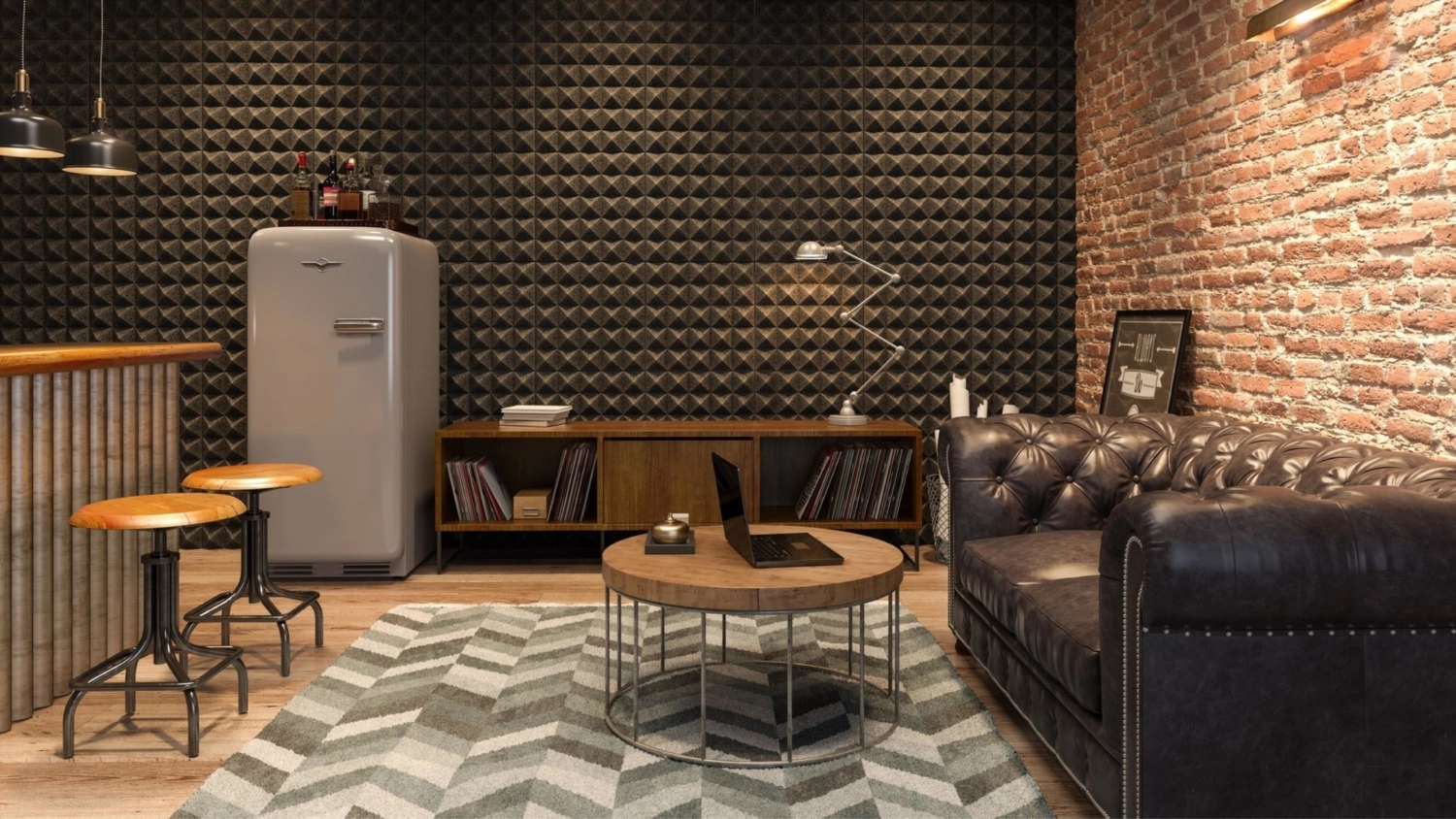
The luxury flooring trends worth paying for in a Colorado home are the ones engineered for a dry, high-altitude climate first and a look second: wide-plank engineered hardwood, large-format porcelain tile, and natural stone in low-traffic areas. Solid hardwood and unsealed natural materials can still look stunning here, but they need more maintenance against the Front Range's swing between bone-dry winters and hail-heavy summers than the same floor would need at sea level.
Here is what is trending, what actually holds up, and what it costs to install along the Front Range.
What flooring gives a Colorado home a luxury look?
Wide-plank engineered hardwood in white oak, large-format porcelain tile that mimics natural stone, and honed natural stone in entries and bathrooms are the three finishes showing up most in Front Range luxury remodels and new construction right now. The shift away from narrow strip hardwood and small tile toward fewer, larger pieces reads as more expensive because it reduces visible grout lines and seams.
Does wide-plank hardwood work with Colorado's dry climate?
Solid wide-plank hardwood is the highest-risk flooring choice for Colorado's climate, since wider boards show gapping more visibly than narrow strip flooring when indoor humidity drops in winter. Engineered wide-plank hardwood, with a stable multi-ply core under a real wood wear layer, handles the same look with far less movement and is what most Front Range installers now recommend over solid wood for anything wider than 5 inches.
How much does luxury flooring cost to install in Denver?
| Flooring type | Installed cost per sq ft |
|---|---|
| Engineered wide-plank hardwood | $9 - $18 |
| Solid hardwood, site-finished | $10 - $22 |
| Large-format porcelain tile | $10 - $20 |
| Natural stone (marble, travertine) | $15 - $35 |
| Luxury vinyl plank (high-end lines) | $6 - $12 |
Does engineered hardwood handle Front Range humidity swings better than solid wood?
Yes. Engineered hardwood's cross-layered core resists the expansion and contraction that solid wood goes through as Denver's indoor humidity swings from single digits in a January cold snap to 40 percent or higher during a wet spring. A quality engineered product with a thick wear layer can still be sanded and refinished once or twice over its life, closing most of the gap with solid wood's main advantage.
What flooring holds up best against expansive clay soil movement?
No flooring surface fixes movement caused by Colorado's expansive bentonite clay soils; that is a foundation issue, not a flooring one. Floating floor systems, engineered hardwood with an underlayment, and large-format tile set with a flexible membrane tolerate minor, stable seasonal movement better than a rigid, fully adhered solid hardwood or natural stone floor, which telegraphs cracks faster if the slab beneath it shifts.
Does luxury flooring increase resale value in the Denver metro?
New flooring is one of the most consistently requested upgrades from Front Range buyers touring listings, and worn carpet or dated tile is one of the fastest ways a home reads as dated in photos. See our post on interior upgrades that help luxury homes stand out in Colorado markets for how flooring ranks against other interior projects.
What flooring works in a Colorado home with radiant heat?
Large-format tile and natural stone conduct radiant heat efficiently and are unaffected by dry air, making them the top choice for a radiant-heated primary bathroom or mudroom. Engineered hardwood also works over radiant heat within the manufacturer's temperature limit; solid hardwood is the riskiest pairing for the reasons above.
Does high-altitude UV fade hardwood or natural stone floors?
Yes, hardwood is the more vulnerable of the two. Colorado gets roughly 300 days of sun a year, and UV intensity at 5,280 feet and higher is measurably stronger than at sea level, which fades unprotected hardwood unevenly near large west- and south-facing windows over a few years. UV-filtering window film or window treatments over sun-facing hardwood slow this considerably; natural stone and porcelain tile do not fade from UV exposure.
What flooring trends are Front Range luxury buyers asking for?
- White oak, wide-plank engineered hardwood in a matte, low-sheen finish across main living areas.
- Large-format porcelain tile that mimics honed stone in entries, mudrooms and bathrooms.
- Herringbone and chevron patterns in entries and primary bathrooms as an upgrade accent.
- Consistent flooring throughout the main level, replacing the mixed carpet-tile-hardwood combinations common in older Front Range homes.
Should I refinish existing hardwood or replace it before selling?
If the existing hardwood is solid wood with at least 1/8 inch of wear layer left, refinishing runs $3 to $8 a square foot and reads as new in listing photos for a fraction of replacement cost. See what refinishing your floors adds to your sale price before deciding to replace.
Does large-format tile work well in Colorado's freeze-thaw climate?
Indoors, yes, freeze-thaw is not a factor. Outdoor large-format tile on a Front Range patio or entry needs a porcelain rated for freeze-thaw exposure and a properly drained substrate, since standing water that freezes under an improperly set outdoor tile can crack or lift it within one winter.
How do I keep hardwood floors from gapping during a Colorado winter?
A whole-home humidifier tied to the furnace, keeping indoor relative humidity between 30 and 50 percent, is the single most effective fix for Front Range hardwood gapping. Acclimating new hardwood in the home for at least a week before installation, and choosing engineered over solid wood for wide planks, both reduce the problem before it starts.
What flooring is easiest to maintain in a dusty, high-altitude climate?
Large-format porcelain tile and luxury vinyl plank show dust and pet hair the least and clean up fastest, which matters in a Front Range home with dirt roads nearby, xeriscaped yards, or a lot of foot traffic in and out during a dry, windy season.
Is natural stone flooring practical for Front Range homes?
In entries, primary bathrooms and low-traffic accent areas, yes. Across a full main level, natural stone's porosity requires periodic sealing and is more prone to chipping than porcelain tile that mimics the same look at a lower cost and with less upkeep, which is why most Front Range designers reserve real stone for smaller, high-impact areas.
How does flooring direction and pattern change the feel of a Colorado room?
Plank flooring run parallel to the longest wall or toward the main window makes a room read larger, a trick Front Range designers use in the narrower, formal living rooms found in older Denver bungalows. Herringbone and chevron patterns, now common in primary bathrooms and entries, read as custom work even on a mid-range engineered product, which is part of why they show up repeatedly in current luxury remodels.
What are Front Range luxury buyers avoiding in flooring right now?
Glossy, high-sheen hardwood finishes and small mosaic tile in large areas are both falling out of favor in current Denver metro luxury listings, replaced by matte finishes and larger-format material. Wall-to-wall carpet outside of bedrooms has also fallen out of favor at the upper end of the Front Range market, even in formal living and dining rooms where it was once standard.
Where to go next
- Porcelain Tile vs Hardwood: Which Flooring Is Better?
- Refinish Your Floors Before You List
- Interior Upgrades That Help Luxury Homes Stand Out
- How to Evaluate Luxury Homes in Colorado
- Preparing and Adding Value Before Selling
- Search every home for sale in Colorado
Talk to the Kenna Real Estate Group
The Kenna Real Estate Group helps Front Range sellers choose flooring upgrades that photograph well and hold up to Colorado's climate before listing. Call or text 303-955-4220. A live person answers. Not a robot, not a phone tree. Or search every home for sale in Colorado right now.
Homes for sale that match this post
Guides
Questions about any home in Colorado? Call or text 303-955-4220. A live person answers.