New - 4 Hours Ago

.jpg)


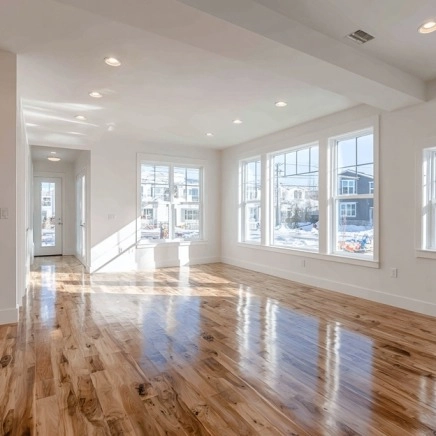
Finish flooring, paint, electrical and any HVAC replacement before the moving truck unloads. Kitchen and bathroom remodels are the two projects worth delaying until after you are living in a Denver metro home, because they take longer than planned and a homeowner living through them controls the sequence better than one racing a moving truck. Sequencing the wrong way round is the most expensive mistake Front Range homeowners make on a pre-move renovation, since redoing new flooring after a delayed kitchen project runs far more than getting the order right the first time.
Four projects belong before the truck shows up: flooring, interior paint, electrical work behind walls, and any furnace or AC replacement. Each one is faster, cheaper and less damaging to do in an empty house than around furniture, and each one creates dust or fumes better handled before your belongings and any pets are in the rooms.
Before. Installers move faster without furniture to work around, and an empty room lets hardwood and tile crews finish a typical main level in 2 to 4 days instead of the week or more it takes moving furniture room to room mid-project. Front Range homes with forced-air heat also need flooring to acclimate for 3 to 5 days at normal indoor humidity before installation, which is easier to manage without moving boxes stacked against the walls.
Paint right after flooring and before movers arrive. An empty room paints in a single day per coat with no furniture to mask or move, and Colorado's dry climate means a coat applied in the morning is dry enough for a second coat that afternoon in most seasons, though winter jobs with the furnace running need an extra few hours because forced-air heat keeps humidity low enough to slow paint curing on thick trim coats.
Yes, for anything behind drywall: added circuits, panel upgrades, or rewiring. Denver metro jurisdictions require a permit and inspection for this work, and an electrician needs open access to walls and attic space that furniture and boxes block. Surface-level work like swapping fixtures or outlets can wait, and a licensed Front Range electrician turns around a same-day inspection in most cases once rough-in work is complete, which keeps a tight pre-move schedule from stalling on city review.
Before, if the inspection flagged the unit's age or condition. A Front Range furnace works through roughly 150 heating days a year between October and April, and a failure in January with a house full of belongings costs more in emergency service fees than a scheduled replacement before move-in. Replacing it empty also protects new flooring and paint from installer traffic.
No, in most cases. These projects run longest, carry the highest odds of a permit delay, and leave a home without a working kitchen or bathroom for weeks. Move in first, live with the space for a season, and then remodel with a clear list of what the layout actually needs. A season in the house also reveals real storage and traffic-flow problems a showing never surfaces, which produces a tighter, cheaper remodel scope than guessing from a pre-purchase walkthrough.
| Project | Best timing | Typical Denver metro duration |
|---|---|---|
| Flooring | Before movers | 2 - 5 days |
| Interior paint | Before movers | 1 - 3 days |
| Electrical (behind walls) | Before movers | 1 - 2 weeks with inspection |
| Furnace or AC replacement | Before movers, if flagged | 1 - 2 days |
| Kitchen remodel | After move-in | 6 - 12 weeks |
| Bathroom remodel | After move-in | 3 - 6 weeks |
Denver, Aurora, Lakewood and most Front Range cities issue permits for straightforward electrical and mechanical work in 1 to 3 weeks; a kitchen remodel with structural or plumbing changes runs 4 to 8 weeks depending on the jurisdiction's current queue. Build permit lead time into your renovation schedule before you set a moving date around it, and call the jurisdiction's permitting office directly for a current queue estimate, since posted timelines online run behind the office's real turnaround during the busy spring and summer construction season in many jurisdictions.
Many Front Range HOAs and metro districts require written approval for exterior changes and sometimes for interior work that affects shared systems, such as plumbing stacks in a townhome. Submit your renovation plan to the association before scheduling contractors, since approval can take 2 to 4 weeks on its own.
Do not schedule them on the same day. Give contractors a hard finish date with a buffer of at least 2 to 3 days before a trusted local moving company licensed in your departure city arrives, and walk the home yourself to confirm paint is dry and flooring is cured before the truck backs up to the door. If your move includes an office or commercial space alongside the home, officefinder.com's guide on coordinating tenant improvements with moving crews lays out the same buffer logic for a lease-end timeline.
Flooring and paint show the biggest cost gap. Movers and furniture pads protect belongings, but crews still work slower and more carefully around them, which shows up as higher labor hours on the invoice. Refinishing hardwood floors in an occupied Denver home runs 20 to 30 percent more than the same job in an empty one because of the extra masking and multi-day access scheduling.
Before listing, focus on the projects buyers notice at showings: paint, flooring and curb appeal, detailed on the Kenna Real Estate Group's guide to preparing and adding value before selling. Before moving into a home you just bought, focus on the four projects above and save cosmetic upgrades for after you have lived in the space.
Denver requires a building permit for structural changes, a mechanical permit for gas line or ventilation work, and an electrical permit for new circuits, each reviewed separately through Denver's permitting office. Confirm requirements for your specific project before signing a contractor, since starting work without a required permit can delay a future sale.
HGTV's home improvement guidance covers project-by-project how-tos once you have the order set, and the Kenna Real Estate Group at KennaRealEstate.com keeps a current list of Front Range contractors and inspectors agents refer buyers and sellers to before a renovation.
The Kenna Real Estate Group helps Denver metro buyers and sellers sequence renovation timing around a move so nothing sits half-finished on closing day. Call or text 303-955-4220. A live person answers. Not a robot, not a phone tree. Then search every home for sale in Colorado while you plan.
Questions about any home in Colorado? Call or text 303-955-4220. A live person answers.
Finish flooring, interior paint, electrical work behind walls and any furnace or AC replacement before movers arrive; these go faster and cost less in an empty home.
Kitchen and bathroom remodels. They take the longest, carry the most permit risk, and are easier to plan once you have lived in the layout.
Straightforward electrical or mechanical permits clear in 1 to 3 weeks in most Front Range cities; kitchen remodels with structural or plumbing changes run 4 to 8 weeks.
Many require written approval for exterior work and some interior work affecting shared systems, and approval can take 2 to 4 weeks, so submit plans before booking contractors.
Before. Crews work faster without furniture in the way, and refinishing hardwood in an occupied home can run 20 to 30 percent more due to masking and access.
No. Leave a buffer of at least 2 to 3 days between the contractors' finish date and moving day so paint and flooring fully cure.
A building permit for structural changes, a mechanical permit for gas or ventilation work, and an electrical permit for new circuits, each reviewed by Denver's permitting office.