New - 5 Hours Ago

.jpg)


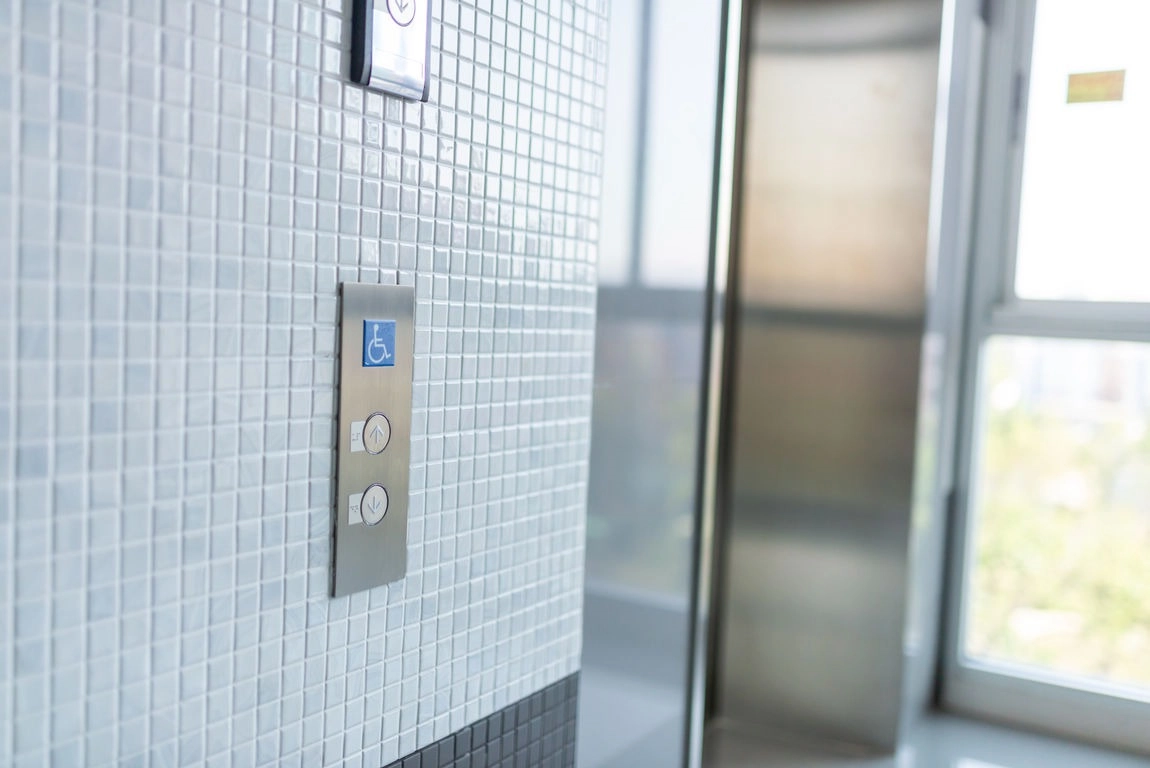
A residential lift moves people and belongings between floors on a fixed track inside a home, and on the Front Range it adds resale appeal to a multi-level property without the footprint of a full elevator shaft. Denver-metro installed costs run $15,000 to $45,000 depending on the number of stops and the drive type, and most jurisdictions along the Front Range require a building permit before work starts.
A residential lift is a compact, code-rated platform or cab that travels a vertical track between two or more floors of a house. A full elevator uses a permanent shaft built into the structure; a residential lift installs into an existing stairwell footprint, a closet-sized shaft, or an exterior addition, which cuts construction time and cost against a full elevator retrofit.
Most residential lifts sold today fall into three drive types: hydraulic, pneumatic (vacuum), and cable-driven (traction). Each has a different footprint, cost, and maintenance schedule, laid out below.
| Drive Type | Typical Installed Cost (Denver Metro) | Best Fit |
|---|---|---|
| Hydraulic | $20,000 - $45,000 | Homes with a basement mechanical room for the pump unit |
| Pneumatic (vacuum) | $28,000 - $45,000 | Retrofits where running hydraulic lines is not practical |
| Cable-driven (traction) | $15,000 - $30,000 | New construction or additions where a shaft is built in from the start |
Beyond the unit itself, budget $2,000 to $6,000 for electrical work to bring a dedicated circuit to the lift location, and $1,500 to $4,000 for framing or finish carpentry if the lift lands inside an existing closet or stairwell footprint. A two-stop lift (main floor to a second story) costs less than a three-stop lift that also reaches a basement or walkout level, which is common on Front Range lots with a grade change.
Denver, Aurora, Lakewood, Centennial, Littleton, and Colorado Springs each require a building permit for a residential lift installation, plus a separate electrical permit for the dedicated circuit. The permit reviews structural support, the electrical disconnect, and travel clearances against the adopted building code. Plan on a 2- to 6-week review window before the installer schedules the work, longer in Denver during peak building-permit season in spring and summer.
Most Front Range HOAs and metro districts review exterior changes, so a lift that adds a bump-out or changes the roofline needs an architectural review committee submission before the permit application. An interior lift that stays inside the existing footprint skips HOA review, but check the covenants first. Highlands Ranch, Green Valley Ranch, and other HOA-governed communities post their submission forms on the community website.
A residential lift cab runs 15 to 20 square feet of floor space per landing, roughly the footprint of a closet. The unit draws a dedicated 20- to 30-amp circuit, which matters in an older Front Range home on a 100-amp panel: an electrician needs to confirm remaining capacity before the lift order goes in, and a panel upgrade adds $2,000 to $4,000 to the project.
Hydraulic lifts need a small mechanical room for the pump and reservoir, which fits a basement mechanical space common in Front Range homes with a full or walkout basement. Pneumatic lifts skip the mechanical room and the hydraulic lines, which fits a retrofit where running new lines through finished floors is not practical. Cable-driven lifts cost the least per stop and fit best in new construction or an addition where the shaft is designed in from the start rather than cut into an existing house.
Most current-generation residential lifts include a battery backup that lowers the cab to the nearest floor and opens the door during a power loss, which matters on the Front Range where a spring hailstorm or a heavy wet snow can take out power for hours. Ask the installer to confirm the backup runtime and whether it lowers automatically or needs a manual release.
A working, code-compliant lift widens the buyer pool for a multi-level home, because it removes the stairs objection that eliminates a two-story or hillside property from a buyer's search. It does not add dollar-for-dollar value the way a kitchen remodel does; instead it shortens time on market by keeping the home in front of more buyers. Sellers deciding between a lift and other upgrades can compare return data in the Kenna Real Estate Group's post on which renovations actually add resale value.
Front Range lots carry a grade change from street to backyard, which is why walkout and daylight basements are common from Golden through Castle Rock. A three-story home with a walkout basement is exactly the layout where a lift earns its cost back fastest, because it turns a basement level that many buyers write off into fully usable square footage.
Plan on an annual service visit that checks the drive mechanism, door interlocks, and backup battery, running $200 to $500 depending on drive type. Skipping the annual visit is the most common reason a lift stops working and needs an emergency repair call instead of routine upkeep.
Compare these features across quotes before signing a contract:
A home inspector notes the lift as a mechanical system and flags any missing permit paperwork, so keep the final permit sign-off and the installer's documentation with the home's records. An appraiser treats the lift as a feature that supports marketability rather than a line-item value add, which lines up with how it affects resale described above.
Colorado's standard seller disclosure form covers the working order of mechanical systems, and a residential lift falls under that category. Note the install date, the last service date, and whether the permit closed out with the city, because a buyer's lender or inspector will ask for that paperwork before closing. A lift installed without a permit is a repair item a buyer's agent will raise during the inspection objection deadline, so pulling the permit file before listing avoids a last-minute price reduction.
Notify the homeowners insurance carrier once a lift is installed, since it adds a mechanical system to the policy's coverage list. Most Front Range carriers treat it the same as a home elevator for coverage purposes, and a permitted, professionally installed unit is easier to insure than one added without inspection sign-off. Ask the installer for a copy of the manufacturer's compliance certificate to keep with the insurance file.
The Kenna Real Estate Group helps Front Range sellers weigh a lift, a ramp, or another accessibility upgrade against a straight sale, and helps buyers find multi-level homes that already have one installed. Call or text 303-955-4220. A live person answers. Not a robot, not a phone tree. Or search every home for sale in Colorado to see current multi-level listings across the metro.
Questions about any home in Colorado? Call or text 303-955-4220. A live person answers.
Most installations run $15,000 to $45,000 depending on drive type and the number of stops, plus $2,000 to $6,000 for a dedicated electrical circuit.
Yes. Denver, Aurora, Lakewood, Centennial, and Colorado Springs each require a building permit and a separate electrical permit before installation begins.
An exterior addition or roofline change needs architectural review committee approval in most Front Range HOA and metro district communities. An interior lift inside the existing footprint does not, but the covenants govern the exact rule.
Hydraulic lifts need a small mechanical room for a pump, pneumatic (vacuum) lifts skip that room and fit tighter retrofits, and cable-driven lifts cost the least per stop but work best when the shaft is designed in from the start.
Most current models include a battery backup that lowers the cab to the nearest floor and opens the door automatically, which matters during a Front Range storm outage.
It widens the buyer pool for a multi-level home by removing the stairs objection, which tends to shorten time on market more than it adds a direct dollar value.
Plan on 15 to 20 square feet of floor space per landing, close to the footprint of a closet, plus room for the mechanical unit if the model is hydraulic.
An annual service visit checking the drive mechanism, door interlocks, and backup battery runs $200 to $500 and prevents most unplanned repair calls.


