.jpg)


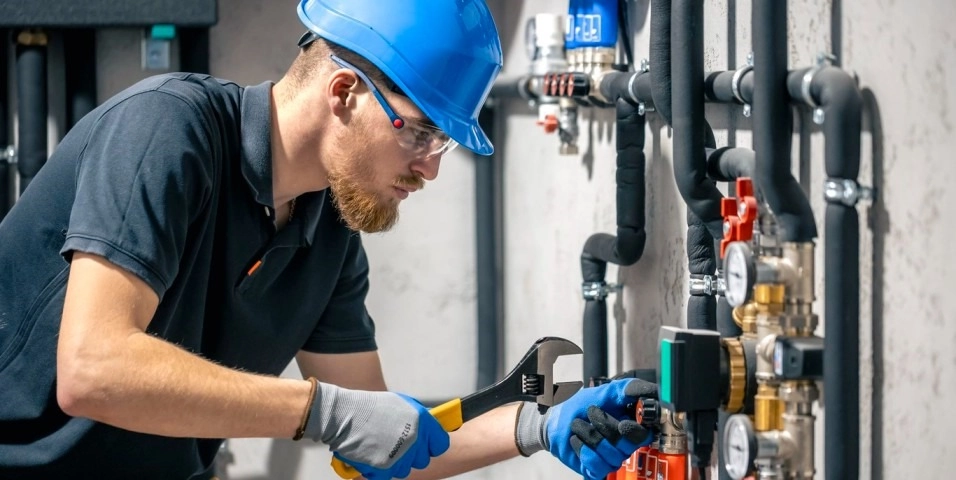
Front Range plumbing has two things working against it that most of the country does not deal with together: moderately hard water that scales a water heater faster than soft water does, and hard freezes that split an uninsulated pipe overnight. The fixes are specific, not general plumbing advice borrowed from a wetter, warmer climate.
Hard Water on the Front Range and What It Does to a Water Heater
Water hardness varies by provider across the metro area; Denver Water, Aurora Water, and Colorado Springs Utilities each test differently, and most Front Range tap water falls in the moderately hard to hard range. Mineral content builds scale inside a water heater's tank, insulating the burner or element from the water and shortening the unit's service life while raising the energy cost to heat the same gallon.
How Frequently to Flush Sediment From a Water Heater in Colorado
Flush a tank water heater once a year on the Front Range, twice the every-other-year interval that works in a soft-water region. Draining a few gallons from the bottom valve until the water runs clear removes settled sediment before it hardens into scale that a hose can no longer clear.
Frozen Pipes: Prevention Before the First Hard Freeze
Pipes running through an exterior wall, garage, or crawlspace need foam pipe insulation before temperatures drop below 20 degrees, which happens most winters on the Front Range from December through February. Keep cabinet doors open under sinks on exterior walls during a cold snap, and never let a vacant home drop below 55 degrees.
Finding and Testing Your Home's Main Water Shutoff Valve
Every Colorado homeowner should know the location of the main shutoff valve before a leak happens, not during one. It sits in the basement or crawlspace near where the water line enters the home, or in a utility box near the street. Test it once a year by turning it fully closed and back open; a valve that has not moved in years can seize.
Slow Drips and Colorado's Dry Climate: Why a Small Leak Costs More Here
A slow drip under a cabinet in a humid climate shows up fast as visible mold. In Colorado's dry air, the same drip can evaporate for months without visible mold, hiding a worn seal or a hidden pipe leak while it wastes water and, eventually, damages the cabinet or subfloor underneath. A dripping fixture that seems minor is worth fixing the week it starts, not the season it gets noticed.
Low-Flow Fixtures and Colorado Water Conservation
Denver Water and most Front Range providers promote low-flow fixtures as part of ongoing conservation programs, and modern low-flow toilets and showerheads perform close to full-flow fixtures. Older low-flow models from the 1990s earned the reputation for weak pressure; current fixtures from reputable brands do not carry that trade-off.
Sewer Scopes: What a Front Range Plumber Checks Before You Buy
A sewer camera inspection, run $125 to $400 on the Front Range, checks for root intrusion, bellies, and cracked joints in the line between the house and the street connection. It matters most on a home built before 1970, when clay pipe was standard. Add it to the same purchase-inspection window covered in the Colorado Home Buyer's Guide.
Essential Plumbing Tools for a Front Range Homeowner
- Pipe wrench for gripping and turning threaded pipe fittings.
- Plunger, both cup and flange style for sinks and toilets.
- Basin wrench for reaching faucet nuts under a sink.
- Pipe insulation sleeves for exposed lines before the first freeze.
- Water meter key to shut off service at the curb if the interior valve fails.
When a Plumbing Problem Needs a Licensed Colorado Plumber
A clogged drain or a running toilet is a reasonable DIY fix. A gas line, a water heater installation, a sewer line repair, or any work behind a wall calls for a licensed Colorado plumber, both for the permit requirement and because the work touches the home's next inspection. For a specific technique walkthrough, guides like this step-by-step licensed-plumber overview show what a professional visit includes; Colorado homeowners are free to use any state-licensed plumber they trust.
Permits for Plumbing Work in Denver and Surrounding Counties
Denver and most Front Range cities require a permit for water heater replacement, sewer line work, and any new gas line run. A licensed plumber pulls the permit as part of the job, and that permit record is what a home inspector and a future buyer both look for.
Financing a Major Plumbing Repair Before You Sell
A repiping job or a sewer line replacement is a real number to plan around before listing. General home-improvement financing guides, like this overview of contractor and home-improvement financing options, explain how a renovation loan works; a Colorado homeowner can also ask about mortgage-readiness options through Kenna Credit Care.
Plumbing Myths That Cost Colorado Homeowners Money
Baking soda and vinegar clear a minor clog, not a real blockage; a severe clog needs a plumber, not another round of home remedies. Slow drips are never nothing: a constant drip signals a worn seal or hidden damage and wastes gallons every month it goes unfixed.
Ask for the printable plumbing maintenance checklist in the form below and we email it the same day.
Where to go next
- Englewood Plumbing & Heating: Yearly Maintenance Tips
- How to Prepare Plumbing Before Selling Your Denver Home
- Preparing and adding value before you sell
- The Colorado Home Buyer's Guide
- Search every home for sale in Colorado
Talk to the Kenna Real Estate Group
The Kenna Real Estate Group at Keller Williams DTC flags plumbing age, permits, and sewer scope results on every Front Range home we help buy or sell, so nothing surfaces as a surprise at inspection. Call or text 303-955-4220. A live person answers. Not a robot, not a phone tree. Search every home for sale in Colorado.
Homes for sale that match this post
Guides
Questions about any home in Colorado? Call or text 303-955-4220. A live person answers.