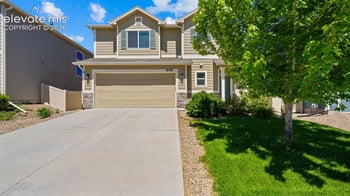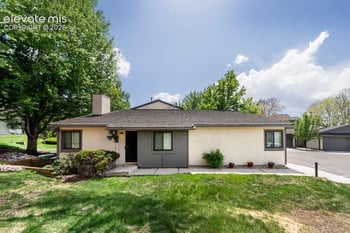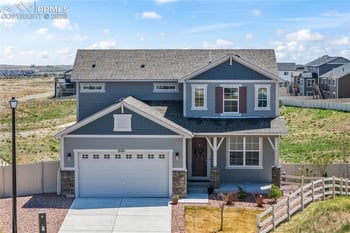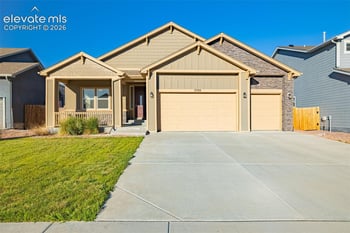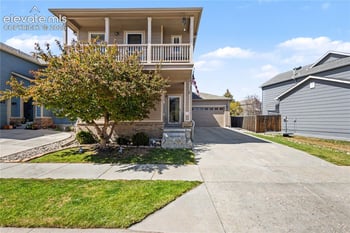
$450,000
Pending
4
Beds
4
Baths
2305
Sqft
0.1062
Acres
6450 Silverwind Cir, Colorado Springs, CO 80923
MLS#: 1731433
.jpg)



Denver metro's real estate market moves on the same core levers as every market nationally, interest rates, inventory and buyer demand, but each one plays out differently on the Front Range than it does in Phoenix or Atlanta. Here's what's actually shaping prices and pace right now for Denver, Aurora, Lakewood, Littleton, Centennial, Colorado Springs and Fort Collins buyers and sellers.
Three forces matter most: how many buyers a given mortgage rate can qualify, how much inventory sits on the market at any given price point, and how many people are moving into or out of Colorado. When rates rise, fewer buyers qualify for the same price, which cools demand at the top of a budget range faster than at the entry level. When inventory climbs, sellers compete on price and condition instead of buyers competing on offers.
Yes, because a rate move of even half a percentage point changes a buyer's monthly payment enough to shift their max purchase price by tens of thousands of dollars. A buyer qualified for a $500,000 home at one rate can see that ceiling drop or rise significantly with a rate swing, without their income changing at all. That's why rate movement shows up in showing traffic within days, well before it shows up in closed-sale data a month later.
It depends heavily on price point and property type. Entry-level and mid-range single-family homes in good condition in Denver, Aurora and the southern suburbs still see multiple showings and can move quickly when priced correctly. Homes needing significant work, or listed above what recent comparable sales support, sit longer and need a price adjustment within the first thirty days in most cases. Condos and higher-end listings above typical local price bands have favored buyers more than the detached single-family segment.
More active listings at a given price point give buyers room to negotiate on price, closing costs or repairs. Fewer listings at a price point put sellers in a stronger position, especially when a home is priced accurately from day one. Inventory levels differ block by block and price band by price band across metro Denver, which is why a market report for your specific neighborhood matters more than a national headline.
It still matters, though less dramatically than in the years right after 2020. Buyers with fully remote jobs continue to look further out, into Elizabeth, Parker, Erie and Windsor, where a larger lot or lower price per square foot buys more house. Buyers with hybrid schedules requiring a commute into downtown Denver or the Tech Center weigh drive time and transit access more heavily than fully remote buyers do.
Colorado has consistently drawn new residents from other states over the past decade, and that steady demand is one reason Front Range prices have held up better through rate cycles than in some other metros. In-migration doesn't move prices evenly across every neighborhood though; it concentrates around job centers, outdoor access and specific submarkets that buyers research independently before making an offer.
In growth corridors like Commerce City, Brighton, Castle Rock and parts of Colorado Springs, active new-construction communities compete directly with resale listings, sometimes offering rate buydowns or closing-cost credits that a resale seller can't easily match. A resale seller in one of these corridors should check what builder incentives are currently active nearby before setting a list price, since buyers are comparing the two side by side.
Colorado's hail season, roughly spring through September, has pushed homeowners insurance premiums up across the Front Range and Colorado Springs in recent years, and that added monthly cost now factors into how much house a buyer can actually qualify for, separate from the mortgage payment itself. A buyer comparing two similar homes should ask for a current insurance quote on each before assuming the mortgage payment tells the whole affordability story.
A meaningful rate drop brings buyers who were sitting on the sidelines back into the market within weeks, increasing competition for well-priced listings before inventory has time to catch up. Sellers who have been waiting for "the right time" tend to list at the same moment, which offsets some of the pricing benefit for sellers even as buyer demand increases.
There's no single right answer, and it depends on your timeline and whether you plan to refinance later. Waiting for a lower rate means competing with more buyers if rates do drop, while buying now in a market with more negotiating room can mean a better purchase price offset by a higher rate you can refinance later. This is a conversation to have with a lender who can run both scenarios against your actual numbers, not a guess based on headlines.
Colorado property tax assessments and mill levies vary by county and by special district, and a reassessment can change a monthly escrow payment noticeably even when a buyer's mortgage rate stays the same. Ask for the current assessed value and mill levy on any home you're seriously considering, and factor in whether the county is due for a reassessment cycle before locking in a monthly payment estimate.
Well-maintained, move-in-ready homes priced in line with recent comparable sales see the strongest buyer interest across price bands, while homes needing significant repairs or priced above what recent sales support sit longer regardless of the price tier. Condition and accurate pricing, not price point alone, are the two variables that most reliably predict how fast a Front Range listing moves right now.
Most Front Range sellers do better listing on the open market with accurate pricing, but a seller facing a fast relocation, a job change or a distressed situation sometimes looks at options to sell a house fast for cash instead. That route trades a faster closing for a lower net price, so compare a cash offer against a realistic market-listing timeline before deciding; a market comparison from a local agent takes a day, not a commitment, and costs nothing to request.
Every market cycle brings real trade-offs, and there are also challenges that come with timing a purchase or sale around rate movement rather than around your own life timeline; a lender and agent working together can model there are also challenges specific to your situation rather than a generic forecast.
Whether you're deciding when to buy, when to list, or what your specific neighborhood's inventory and pricing actually look like right now, the Kenna Real Estate Group tracks Front Range market data neighborhood by neighborhood, not just metro-wide headlines. Call or text 303-955-4220. A live person answers. Not a robot, not a phone tree. Or search every home for sale in Colorado to see current listings and pricing in your target area.
Questions about any home in Colorado? Call or text 303-955-4220. A live person answers.
It depends on your timeline and financing; run the numbers on both waiting and buying now with a lender rather than timing the market on headlines alone.
A rate move changes a buyer's monthly payment and maximum qualifying price immediately, which shifts showing traffic within days.
It varies by price point and property type; accurately priced entry-level and mid-range single-family homes still move quickly.
Steady in-migration has helped support Front Range demand through rate cycles, though the effect concentrates around specific job centers and submarkets.
Yes; hail-season-driven premium increases add to monthly housing costs and should be quoted separately from the mortgage payment before you shop.
Check what rate buydowns or closing-cost credits nearby builders are currently offering, since buyers comparing resale and new construction weigh both directly.