.jpg)


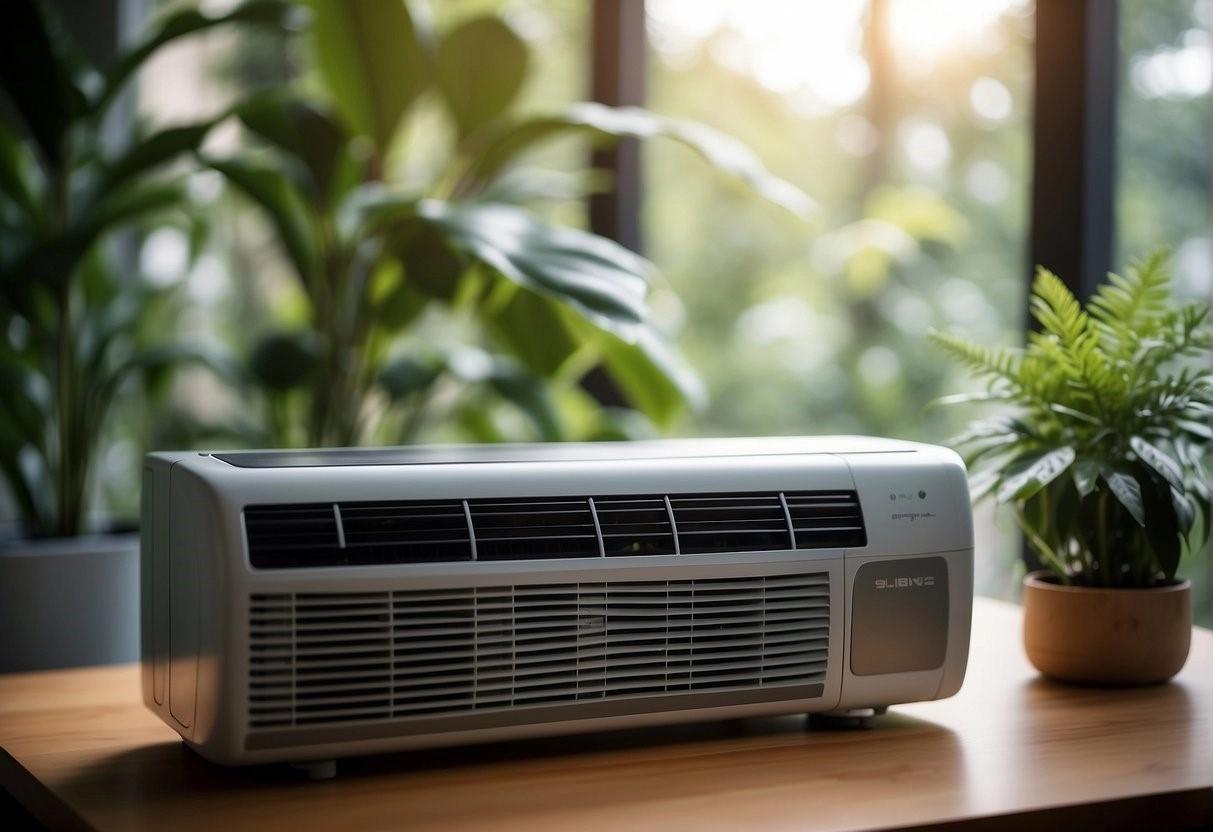
An AC or furnace warranty in Colorado is worth exactly what the fine print says it is, and the fine print changes at altitude. A manufacturer warranty covers the compressor, condenser, and evaporator coil for parts; it does not cover labor, and it does not survive an installer who skipped the altitude derate the equipment manual requires.
What a Manufacturer AC Warranty Covers in Colorado
A standard manufacturer warranty covers defects in the compressor, condenser coil, and evaporator coil for materials and workmanship, for a term of 5 to 10 years from installation. Labor to diagnose and replace a failed part is not included unless the installing contractor sold a separate labor warranty. Filters, refrigerant top-offs, and routine cleaning are maintenance items, not warranty claims, on every AC system regardless of elevation.
What Voids an AC or Furnace Warranty in Colorado
Three things void coverage on the Front Range more than in lower-elevation states: a homeowner or unlicensed handyman doing the install, a missing or incomplete annual maintenance record, and equipment sized without an altitude derate applied. Manufacturers ask for proof of licensed installation and, on some product lines, proof of annual service by a licensed contractor before honoring a parts claim.
Why Colorado Installers Must Apply an Altitude Derate
AC and furnace equipment is rated at sea level. At Denver's elevation of 5,280 feet, and higher in the foothills, thinner air changes how a gas furnace burns fuel and how a compressor rejects heat. The industry standard derate for a natural-draft gas furnace runs about 4% of input capacity per 1,000 feet of elevation, which is why a furnace sized for a Kansas home at the same square footage does not perform the same way in Golden or Evergreen. A licensed Colorado installer sizes the equipment to the site's actual elevation; skipping that step is one of the most common reasons a Front Range HVAC warranty claim gets denied.
Labor Warranty vs Manufacturer Parts Warranty
The manufacturer's warranty covers parts. The installing contractor's labor warranty, sold separately, runs 1 to 2 years standard or up to 10 years extended, covers the technician's time to diagnose and replace a failed part under the parts warranty. A homeowner who assumes the manufacturer warranty covers labor still gets a $150 to $300 service call bill even on a covered part.
Does an AC or Furnace Warranty Transfer When You Sell in Colorado
Most manufacturer warranties transfer to a new owner within 30 to 90 days of closing, but the new owner has to register the transfer directly with the manufacturer using the original installation paperwork and permit record. A seller who cannot produce that paperwork leaves a buyer with a shorter effective warranty than the listing implies. Keep HVAC install records with the rest of the file covered in the Colorado Home Seller's Guide.
Permits Required for AC and Furnace Replacement in Denver and the Front Range
Denver and most Front Range cities require a mechanical permit for a full AC or furnace replacement, along with an inspection. A permit record is also what a manufacturer and a home inspector both look for to confirm the install was done by a licensed contractor, which keeps the warranty intact and keeps the equipment out of a Colorado seller's disclosure as an unpermitted item.
Xcel Energy Rebates and Warranty Paperwork
Xcel Energy runs rebates on qualifying high-efficiency AC and heat pump installs, and the rebate application requires the same licensed-contractor paperwork the manufacturer warranty requires. A contractor pulls the current rebate amount and forms as part of the installation quote, since rebate levels reset on a schedule set by Xcel each year. Ask for the rebate paperwork and the manufacturer warranty registration in the same folder.
Gas Furnace Warranties and Colorado's Heating Season
A Front Range furnace runs from roughly October through April, and a furnace that fails in a January cold snap without an intact warranty is an emergency repair bill, not a scheduled one. An annual fall tune-up, performed by a licensed contractor and logged, is the single most common condition manufacturers set for keeping a furnace warranty active through a Colorado winter.
How Registration Deadlines Work
Most manufacturers set a registration window, commonly 60 to 90 days from installation, to activate the full warranty term; missing it can shorten coverage from 10 years to a 5-year base term. A licensed installer registers the equipment as part of the job. A homeowner who financed or self-installed equipment should confirm registration happened and get the confirmation number in writing.
What a Home Inspector Checks About an AC/Furnace Warranty
A Colorado home inspector notes the equipment's age, the permit record, visible service tags, and any signs of an amateur install, then leaves warranty verification to the buyer. A buyer who wants to know what is actually still covered should call the manufacturer directly with the serial number before the inspection objection deadline closes.
Extended Warranties: When They Pay Off on the Front Range
An extended parts-and-labor warranty, priced from $300 to $800 depending on the system, pays off when a homeowner plans to stay in the home past the standard term and wants to budget a flat cost instead of an open-ended repair bill during a Colorado winter or a July heat spell.
What Happens After a Repair by an Unlicensed Contractor
A single repair performed by an unlicensed technician can void the remaining manufacturer warranty on that component, even if the original install was done correctly and permitted. Keep every service visit with a licensed, insured Colorado HVAC contractor and save the invoice.
Does an Active Warranty Affect a Colorado Home's List Price
Documented, transferable warranty coverage on a 2-to-5-year-old system reads to a buyer the same way a documented roof warranty does: one less unknown to price into an offer. The Kenna Real Estate Group's Smart Pricing Report factors remaining HVAC warranty term into a home's list price alongside the system's age and condition.
Where to go next
- Why a High-Efficiency HVAC System Is the Secret Weapon for Colorado Home Sellers
- How Platinum HVAC Is Raising the Standard for Heating and Cooling in Colorado
- Preparing and adding value before you sell
- The Colorado Home Buyer's Guide
- Search every home for sale in Colorado
Talk to the Kenna Real Estate Group
The Kenna Real Estate Group checks HVAC permit and warranty records as part of every Front Range listing and every buyer's offer, so a system's remaining coverage gets priced correctly instead of guessed at. Call or text 303-955-4220. A live person answers. Not a robot, not a phone tree. Search every home for sale in Colorado.
Homes for sale that match this post
Guides
Questions about any home in Colorado? Call or text 303-955-4220. A live person answers.