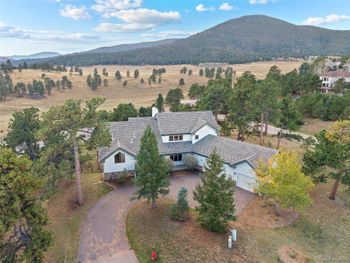
New - 3 Hours Ago

$1,075,000
Coming Soon
5
Beds
4
Baths
3256
Sqft
4.76
Acres
10464 E Pinewood Dr, Parker, CO 80138
MLS#: 8215498
.jpg)


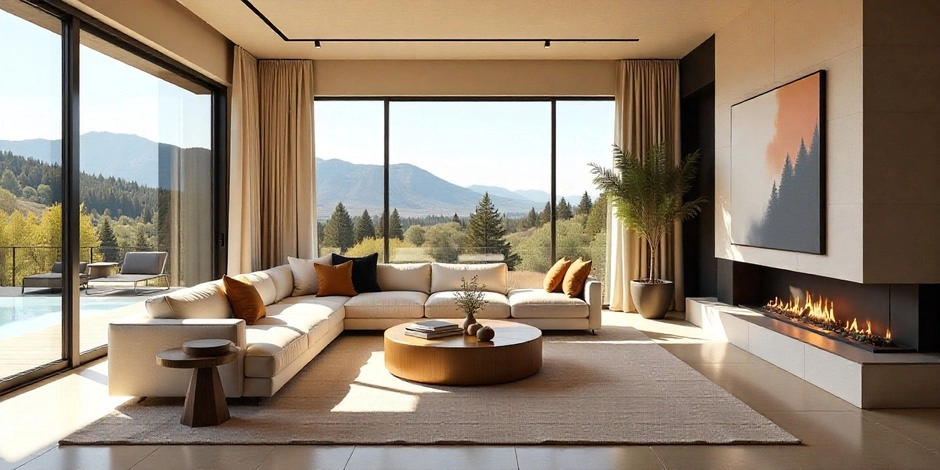
A luxury home in the Denver metro sells on more than square footage. Buyers touring a $1 million-plus listing expect quality materials, deliberate lighting, and finishes that hold up to Colorado's dry air, intense sun, and wide seasonal swings. The decorating choices that photograph well and last through a Front Range winter are not always the ones from a national design blog.
Clutter is the fastest way to make a large home feel smaller in photos and in person. Curate instead of fill.
Denver's altitude and dry winter air (10% to 25% indoor humidity is common from November through March) pull moisture out of wood, leather, and natural fiber rugs, which can cause cracking, shrinking gaps in millwork, and static in fabrics. A whole-home humidifier tied to the furnace protects fine furniture and wood floors far more reliably than surface treatments. Natural stone and metal accents are largely unaffected by the dry air, which is one reason they show up throughout Front Range luxury interiors.
Colorado gets close to 300 sunny days a year, and UV intensity at altitude fades unprotected rugs, upholstery, wood floors, and artwork faster than in a lower-elevation market. UV-filtering window film, rotating rugs seasonally, and keeping statement art out of direct south- or west-facing light protect an investment piece for decades instead of a few years.
Luxury interiors along the Front Range lean toward a quiet, neutral palette, cream, beige, taupe, warm gray, so the architecture and the view do the work. With color pulled back, texture becomes the design element: silk, wool, velvet, leather, and natural-fiber rugs layered together read as considered rather than plain.
Front Range luxury buyers use their patios, decks, and outdoor kitchens for most of the year given the region's sunshine. Match the quality of outdoor furniture to the interior: outdoor-grade teak and all-weather wicker hold up to freeze-thaw cycles and UV far better than budget outdoor furniture, which fades and cracks within a season or two. For large properties, architectural accents like PVC gables add durability and curb appeal without the maintenance of painted wood trim, and professional drone photography captures the scale of a large lot or mountain view that ground-level photos miss.
In a luxury home, lighting does more than illuminate a room. Oversized fixtures, a tiered chandelier, or a sculptural pendant become a focal point the way a piece of art would. Layered lighting, ambient, task, and accent, matters even more in a Colorado winter, when daylight hours are shorter and the difference between a well-lit and flat-lit room shows up clearly in listing photos.
Custom millwork, one-off cabinet finishes, and motorized window treatments separate an extraordinary home from a simply expensive one. These details are worth documenting for an appraiser and for marketing, since a buyer comparing several luxury listings will notice the difference between builder-grade trim and custom millwork almost immediately.
Decorating decisions do not appraise the way a kitchen remodel does, but a well-decorated luxury home sells faster and photographs better, which matters at a price point where buyers are comparing a smaller pool of listings side by side. Curated, well-lit, well-maintained interiors reduce the days on market for luxury inventory across Denver, Highlands Ranch, Cherry Hills Village, and Greenwood Village. For an ad hoc cost comparison across upgrade types, review how to run an ad hoc analysis of which improvements matter most before spending on a full redesign.
| Upgrade | Scope | Cost range |
|---|---|---|
| Custom millwork and trim | Primary living areas | $15,000 - $60,000 |
| Statement lighting package | Entry, dining, primary suite | $8,000 - $35,000 |
| Full professional decorating | Whole-home, furnishings included | $50,000 - $250,000+ |
| Whole-home humidifier and smart climate controls | Furnace-integrated system | $2,500 - $6,000 |
Buyers touring luxury inventory across Cherry Hills Village, Greenwood Village, and Castle Pines expect integrated lighting scenes, motorized shades, and climate zoning as a baseline rather than a bonus. A system that lets a homeowner dim the entry chandelier, close the motorized silk curtains, and adjust the whole-home humidifier from one panel reads as considered design, not just added technology, and it protects the fine materials discussed above from Colorado's dry air and direct sun.
For an owner-occupied luxury home going up for sale, a full re-decoration is rarely worth the cost right before listing. Editing down existing furnishings, rotating in a few investment pieces, refreshing paint in a neutral palette, and running a professional photography and lighting pass gets most of the resale benefit without months of lead time. Save the deeper, personal decorating investment for after closing, once the home is no longer headed to market. Review the full guide to showing a Colorado home to buyers for the staging steps that matter most in the final weeks before photos.
Solid wood furniture, leather upholstery, and natural-fiber rugs face their hardest stretch from November through March, when indoor humidity along the Front Range drops fastest. A whole-home humidifier set to a consistent target, keeping furniture a few inches off exterior walls where cold radiates through, and avoiding placement directly over floor vents all reduce the cracking and warping that shows up after a first Colorado winter in an unprotected home. Leather conditioner applied every few months keeps upholstery from drying and cracking the way it does in a more humid climate without any special care at all.
Cherry Hills Village, Greenwood Village, Castle Pines, and Boulder each carry a distinct luxury character. Cherry Hills Village favors large, private lots with an equestrian and estate feel; Greenwood Village leans toward newer construction with resort-style amenities; Castle Pines combines golf-course frontage with mountain views; Boulder's luxury inventory tends toward architect-designed homes that lean into the Flatirons backdrop rather than a formal, traditional look. Decorating decisions should take cues from the specific submarket a home sits in, since a buyer touring Cherry Hills Village expects a different feel than one touring a Boulder architectural showcase.
The Kenna Real Estate Group works with luxury buyers and sellers across the Denver metro and knows which decorating and staging investments pay off at this price point. Call or text 303-955-4220. A live person answers. Not a robot, not a phone tree. Or search every home for sale in Colorado.
Questions about any home in Colorado? Call or text 303-955-4220. A live person answers.
Solid hardwoods like walnut and white oak, natural stone, and metal accents such as brushed brass hold up best against the region's dry winter air and intense sun. Softer woods and veneers crack faster without added humidity control.
Yes. Indoor humidity along the Front Range can drop to 10% to 25% in winter, which pulls moisture from solid wood and leather. A whole-home humidifier reduces cracking in millwork, floors, and furniture.
For homes above roughly $1.5 million, a professional stager or decorator familiar with the local buyer pool pays for itself in faster showings and stronger offers at this price point, where buyers compare listings closely.
Close to 300 sunny days a year and strong UV at altitude fade unprotected rugs, upholstery, and artwork faster than in a cloudier climate. UV window film and rotating pieces out of direct light slow the fading.
Yes. Front Range buyers use covered patios, decks, and outdoor kitchens most of the year. Outdoor-grade materials that handle freeze-thaw cycles and UV hold their value better than budget outdoor furniture.
Many Front Range HOAs require architectural review for exterior changes, including trim, gables, and permanent outdoor lighting. Check HOA covenants before ordering custom exterior details.