New - 2 Days Ago

$5,750,000
Active
6
Beds
5
Baths
7468
Sqft
0.93
Acres
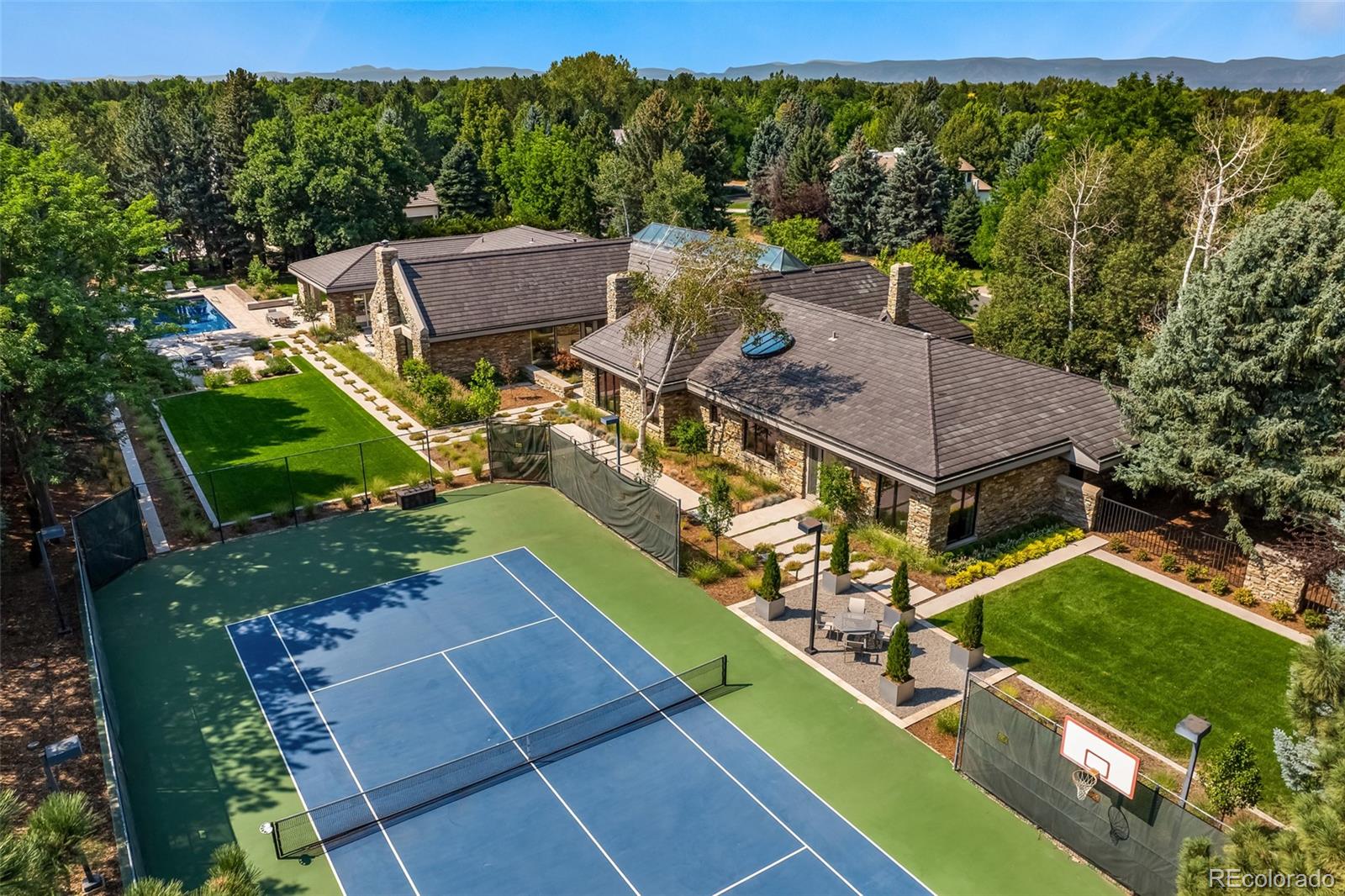
52 Charlou Cir, Cherry Hills Village, CO 80111
MLS#: 7538252
.jpg)


A sustainable luxury home on the Front Range means high-performance building systems paired with high-end finishes, not a trade-off between the two. Solar, efficient mechanical systems, and defensible-space landscaping now show up in listings across Cherry Hills Village, Boulder, and the mountain-adjacent luxury market as standard expectations, not upgrades.
Three systems drive most of the performance gain: the building envelope (insulation, windows, air sealing), the mechanical system (heat pumps, solar, high-efficiency HVAC), and the site (native, drought-resistant landscaping and defensible space against wildfire). A luxury build layers premium finishes on top of those systems rather than instead of them — a stone exterior and a high-efficiency envelope are not mutually exclusive.
Owned solar helps; leased or financed solar with a transferable loan attached can slow a sale if a buyer has to qualify to assume the payment. Colorado gets roughly 300 sunny days a year, which makes solar output strong relative to many other states, and buyers in the luxury tier increasingly ask about it directly. Confirm the ownership structure before you list, and disclose it clearly either way.
Xcel Energy runs rebate programs for solar, heat pumps, high-efficiency water heaters, and insulation upgrades that apply regardless of home price, though a larger home qualifies for a larger dollar rebate on square-footage-based programs. Rebate amounts and eligible equipment change year to year, so check Xcel's current program list before you finalize equipment specs on a build or renovation.
| System | Typical cost, large Front Range home | Notes |
|---|---|---|
| Solar array (owned, 10–15 kW) | $28,000 – $50,000 before rebates/credits | Sized to offset a larger home's usage |
| Timber frame structural package | 15% – 30% premium over conventional framing | Cost varies with span and joinery detail |
| Defensible space landscaping (0.25–1 acre) | $8,000 – $30,000+ | Required within 100 ft of structure in many wildfire-zone counties |
| High-efficiency HVAC/heat pump system | $15,000 – $35,000 | Sized for altitude and larger square footage |
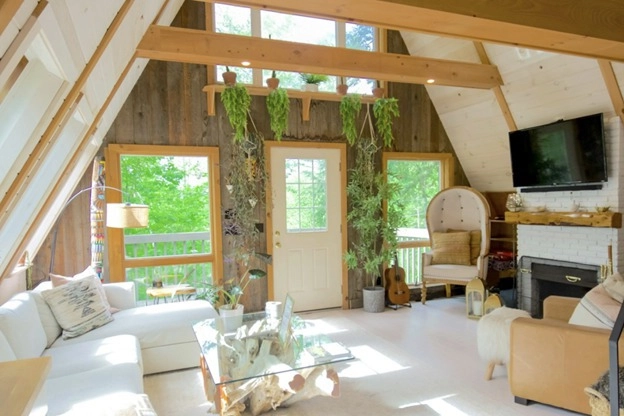
Exposed timber framing carries fire risk considerations that a builder and a local fire authority should review together on any lot inside a wildfire-hazard zone; exterior cladding, roofing material, and the defensible-space buffer around the structure matter as much as the frame itself for a home's fire risk profile. Many Front Range mountain-adjacent luxury builds pair a timber frame interior with non-combustible exterior siding and roofing to balance the look with the site's wildfire exposure.
Defensible space — keeping the zone within roughly 5 to 30 feet of the structure clear of dense vegetation, and thinning the zone beyond that — does not require a bare, unlandscaped yard. Native Colorado plantings (Gambel oak spaced apart, ornamental grasses, rock and gravel beds close to the foundation) create a designed, high-end landscape that also meets defensible-space guidance from county wildfire authorities. Check your specific county's requirements before finalizing a landscape plan on a wildfire-zone lot.
Expect a 10% to 25% premium over a comparable conventional luxury build, concentrated in the envelope, mechanical systems, and any structural timber work. Rebates and federal tax credits offset part of that premium on solar and high-efficiency equipment; the remainder is a long-term operating-cost trade rather than a one-time cost. How to Evaluate Luxury Homes in Colorado covers how appraisers and buyers weigh that premium against comparable sales.
Colorado law limits how much an HOA can restrict solar installation, but many HOAs and metro districts still regulate panel placement, screening, and exterior appearance through their architectural review process. Submit plans to the HOA or metro district before ordering equipment; a design that clears review the first time avoids a costly change order later.
Expect separate permits for building, electrical (solar interconnection), mechanical (HVAC/heat pump), and grading if the landscape plan changes drainage. Requirements and review timelines differ between Denver, Douglas County, Arapahoe County, Jefferson County, and Boulder County; confirm the specific process with the jurisdiction your lot sits in before you set a construction timeline.
Low humidity and intense high-altitude UV accelerate the fade and wear on exterior wood, paint, and some composite materials faster than in more humid climates. Specify UV-rated finishes and stains, and budget for more frequent exterior maintenance cycles than a comparable home at lower elevation and higher humidity would need.
Payback varies with system size, usage, and current utility rates and incentives, landing in the 7-to-12-year range for an owned system on a large home before accounting for any resale value bump. Run the numbers with a solar contractor using your actual usage and current Xcel rate structure rather than a generic estimate.
Geothermal (ground-source heat pump) systems work at Front Range elevation and can outperform air-source heat pumps in Colorado's cold, dry winters, but the upfront cost — $25,000 to $45,000 or more depending on loop field type and lot size — is higher than most other mechanical upgrades on this list. It fits best on larger lots where the ground loop can be installed without major landscape disruption.
Native and xeric landscaping cuts outdoor water use by 50% or more compared to a traditional Kentucky bluegrass lawn of the same size, which matters directly on a large luxury lot where irrigation is a meaningful share of the water bill. Denver Water and other Front Range utilities publish current water-restriction schedules that affect how much traditional turf a large property can realistically maintain each summer.
Appraisers rely on comparable sales, and green features without enough comparable green-featured luxury sales nearby can be harder to fully credit in a formal appraisal, even when the market clearly values them. Keep documentation — solar production records, Xcel rebate paperwork, permits for efficiency upgrades — so an appraiser has a paper trail to support the value, not just a verbal claim.
A green renovation retrofits an existing envelope and mechanical system, which is less expensive per efficiency point gained but constrained by the existing structure. A green new build lets you optimize orientation, envelope, and mechanical sizing from the ground up, at a higher total cost. Both paths qualify for Xcel rebates and most federal efficiency credits; the right choice depends on whether you already own the lot or the structure.
Jumbo and construction loans for Front Range luxury properties carry their own qualification requirements, and a lender familiar with Colorado's luxury market and green-building line items moves faster through underwriting. Mike Oswald at Rate (NMLS 261003, Equal Housing Lender) works with Front Range buyers on jumbo and construction financing — and you are free to use any lender. Start at the Colorado Home Financing Guide.
The Kenna Real Estate Group works with Front Range buyers and sellers on high-performance luxury properties — from documenting a solar system's value at resale to sourcing a lot that fits a green-build plan. Call or text 303-955-4220. A live person answers. Not a robot, not a phone tree. See what's currently listed at search every home for sale in Colorado.
Questions about any home in Colorado? Call or text 303-955-4220. A live person answers.
It can, when the appraiser has comparable sales with solar to reference and documented production history; without comparables, appraisers credit it conservatively even when buyers value it more.
Most large Front Range homes need a 10 to 15 kW system to offset typical usage, though the right size depends on the home's actual electrical load and roof or ground-mount area available.
Requirements vary by county and fire district; many wildfire-hazard-zone counties require a defensible-space buffer as a condition of a building permit or as a wildfire mitigation plan for existing homes.
Many solar, heat pump, and efficiency upgrades qualify for federal tax credits; confirm current eligibility and amounts with a tax professional since credit programs change.
Exposed timber framing needs periodic finish maintenance to protect against Colorado's dry air and UV exposure, while conventional framing hidden behind drywall needs none.
Summer watering schedules set by Denver Water and other Front Range utilities limit turf irrigation days; native and xeric landscaping reduces exposure to those restrictions on a large lot.
No, Colorado law limits an HOA's ability to prohibit solar outright, though HOAs can still regulate placement and appearance through architectural review.
Keep permits, Xcel rebate confirmations, solar production data, and contractor invoices for every efficiency upgrade; this paper trail supports both appraisal value and insurance underwriting later.