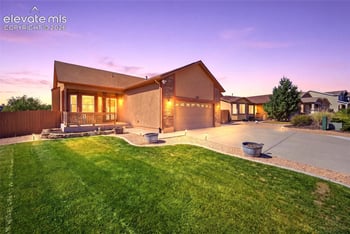
New - 15 Mins Ago
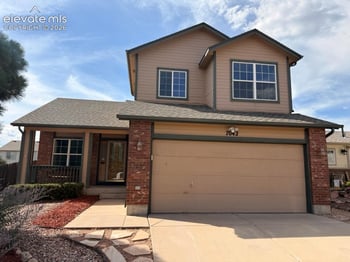
$435,000
Active
4
Beds
4
Baths
2453
Sqft
0.1041
Acres
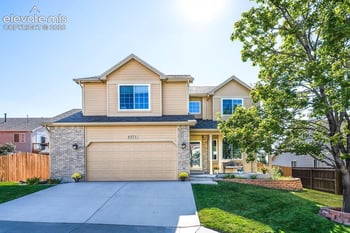
7042 Grand Prairie Dr, Colorado Springs, CO 80923
MLS#: 5026069
.jpg)


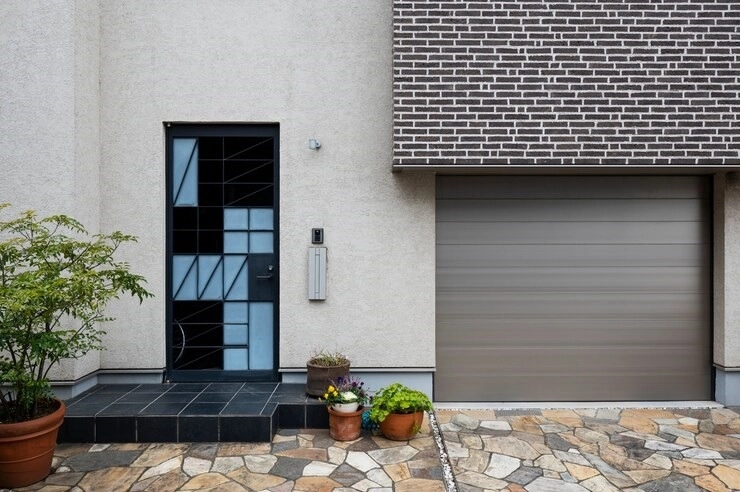
A Front Range shed door has to survive things a shed door in a milder climate never sees: sustained wind gusts along the base of the foothills, hail season from spring through September, intense UV at 5,280 feet that breaks down cheap vinyl and paint fast, and a concrete pad or gravel base that can shift as expansive clay soil swells and dries through the year. Picking the right material and installing it square solves most of that in one project.
Along the base of the foothills, from Golden and Morrison north through Boulder and south past Colorado Springs, sustained wind and downslope gusts put more sideways load on a shed door than most manufacturers design for out of the box. A solid-core wood door with full-length hinges and a slide bolt at the top and bottom holds better than a hollow, single-hinge panel. Double doors need a drop pin or center astragal so both leaves lock independently; a single center latch is the most common failure point in a wind event.
Replacing an existing door in the same opening, on an existing shed, does not require a building permit in Denver or most Front Range cities, since it is a repair, not new construction or a structural change. That changes if the replacement enlarges the opening, changes the framing, or is done as part of a larger shed rebuild.
Most Front Range cities exempt small, one-story accessory structures under a set size, around 120 square feet, from needing a building permit, though electrical work inside a shed almost always needs its own permit regardless of the shed's size. Denver, Aurora, Lakewood, Littleton and Colorado Springs each publish their own accessory-structure size threshold, so check the exact number with the local permit office before assuming a shed is exempt.
Yes, in most Front Range HOA communities. Architectural covenants commonly specify shed color, material, roofline and placement, and some HOAs require review before any exterior door replacement that changes the shed's appearance. Highlands Ranch, Castle Rock and many Douglas County communities enforce this closely; read the covenants and, where required, submit a simple architectural review request before ordering a door.
| Door type | Materials | Installed cost |
|---|---|---|
| Basic wood panel, single | $120 to $300 | $250 to $500 |
| Solid-core wood, double | $300 to $700 | $500 to $1,000 |
| Steel or aluminum, single | $200 to $450 | $350 to $700 |
| Custom or oversized | $500 and up | $800 to $1,500 |
A homeowner comfortable with a level, a drill and basic framing tools can install a standard replacement door in an afternoon. A shed with a shifted foundation, a rotted jamb, or an opening that needs to be reframed is a job for a carpenter, since a door hung slightly out of square fights the wind instead of shedding it.
Metal and fiberglass hold paint and color better under the Front Range's intense UV than raw wood, which needs a fresh coat of exterior finish every two to three years to keep from checking and warping. Vinyl trim and cheap composite panels become brittle and crack the fastest in a hard hailstorm; a primed steel door with a factory finish is the most consistent performer across UV, hail and temperature swings between a hot afternoon and a cold night at altitude.
Snow load mostly affects the roof, but a header over a shed door opening still needs to carry that roof load without sagging, and a sagging header is the most common reason a shed door starts binding or won't latch after a few winters. Check the header for level before installing a new door frame, and shim it square rather than forcing a new door into an opening that has already settled.
A straight swap, same size opening, same door type, is a reasonable DIY project for most homeowners. Reframing an opening, adding a second door, or working on a shed with electrical service inside is worth hiring a licensed contractor for, both for code compliance and because a poorly framed opening undermines the whole structure in a Front Range wind event.
Front Range expansive clay soil swells when it absorbs moisture and shrinks as it dries, and a shed on a simple gravel or paver base without proper drainage can shift enough over a few seasons to throw a door out of square. Regrading so water drains away from the shed, and shimming the door frame level before final installation, prevents most of the binding and gapping homeowners see after a wet spring followed by a dry summer.
A level, a drill, exterior-rated screws, a pry bar for the old jamb, and hardware sized for wind, not just weight, are the short list. Use three hinges instead of two on a solid-core door, add a slide bolt at the top of each leaf on a double door, and set the strike plate with long screws that reach the framing behind the trim, not just the thin jamb material. Skimping on hardware is the most common reason a Front Range shed door fails within a year or two of installation.
A shed close to a house in a foothills wildfire mitigation zone counts as an attached fuel source if it sits within the defensible space perimeter, so county wildfire programs in Jefferson, Douglas and El Paso counties sometimes flag a shed for clearance or fire-resistant siding recommendations during an assessment. A homeowner in the wildland-urban interface should mention the shed when scheduling a defensible-space review rather than treating it as separate from the house.
A functional, weathertight shed reads as one more usable outbuilding to a buyer touring a Front Range property, while a shed with a broken or hanging door reads as deferred maintenance. It is a small, inexpensive fix relative to its effect on a buyer's first impression of the whole backyard. The guide to adding value before selling covers which small exterior projects are worth doing before listing and which ones do not move the number.
Colorado's standard seller disclosure form asks about the condition of structures on the property, including outbuildings, so a shed with known issues, a rotted sill, a door that won't lock, water intrusion, belongs on that form. A buyer's inspector checks accessory structures during the general inspection, and unresolved issues can surface during the inspection objection period.
The Kenna Real Estate Group walks Front Range sellers through which small exterior fixes, sheds included, are worth doing before a home goes on the market, and helps buyers read what a property's outbuildings and HOA rules actually mean before they write an offer. Call or text 303-955-4220. A live person answers. Not a robot, not a phone tree. Ready to look at homes instead? search every home for sale in Colorado.
Questions about any home in Colorado? Call or text 303-955-4220. A live person answers.
Not for a straight swap in the same opening on an existing shed in most Front Range cities. A permit is needed if the opening is enlarged or the shed is being rebuilt.
Many Front Range HOAs, especially in Highlands Ranch, Castle Rock and other Douglas County communities, set rules for shed color, material and appearance and require review before a visible change.
A primed steel door with a factory finish holds paint and shape better than raw wood or cheap vinyl trim under intense high-altitude UV and repeated hail seasons.
A basic single wood or steel door runs $250 to $700 installed on the Front Range; a solid double door or custom size runs $800 to $1,500.
A same-size swap is a manageable weekend project with basic tools. Reframing the opening or working near electrical service is worth hiring a licensed contractor for.
Yes. Clay soil that swells and shrinks seasonally can shift a shed's base enough to throw the door out of square over a few years, which shows up as binding or gapping.