New - 16 Hours Ago
.jpg)


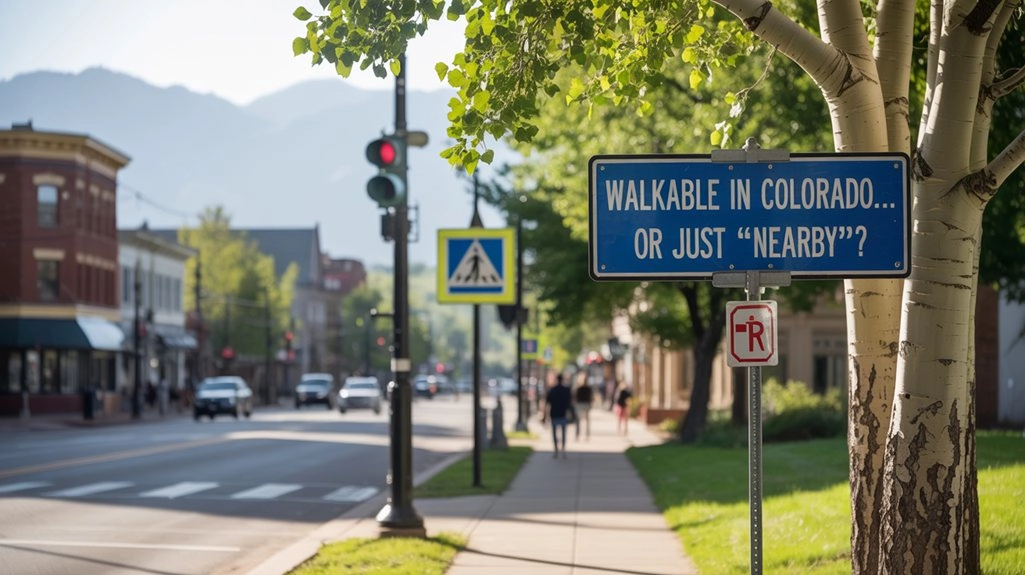
Real estate listings love words like “walkable” and “minutes away.” Sometimes that’s accurate. Sometimes it’s just map math. Along the Front Range, a place can look close and still feel like a hassle on foot once you factor in crossings, missing sidewalks, and the way wind and sun hit an exposed stretch. Out here, walkable is often a micro-climate question—ten minutes can feel easy or annoying depending on sun exposure and wind.
If you’re right-sizing—buying for fewer stairs, less upkeep, and a daily life that stays comfortable—walkability isn’t a trend. For a lot of buyers, it’s an aging-in-place decision: can I keep an easy routine on foot even if my pace slows down, or I’m recovering from something for a few weeks? Genuine walkability is the ultimate backup plan for independence—if you’re not in the mood to drive, your week still stays on track.
“A lot of buyers think ‘walkable’ is a feature. I see it as a lifestyle lever—if the path feels easy, you actually use it. If it feels annoying, you don’t.”
In Colorado real estate, “walkable” gets used for two different things: trail access and errand access. Both are valuable—but they’re not the same. A home can be close to a great path and still require driving for the basics. If your goal is to drive less and feel more independent, you want the errand version.
The simplest way to keep this positive is to focus on your routine. You’re not chasing perfection. You’re looking for a home where walking feels normal enough that you’ll keep doing it after the novelty wears off.
You don’t need a scoring system. You need a quick, repeatable way to validate a real estate listing claim during a showing. Think of this as a short field test you can run on any home—patio homes, townhomes, condos, or a low-maintenance single-family setup.
Look for a cluster: one essential (small grocery run or pharmacy—think King Soopers, Sprouts, or a Walgreens-style stop), one routine (coffee/tea), and one “nice” stop (park, library, easy lunch). Bonus points for a clinic, dentist, or hardware stop that doesn’t require a parking chess match.
Along the Front Range, the distance often isn’t the issue—the crossing is. If reaching basics requires one big “car-first” intersection, many people quietly stop walking and start driving again. You’re looking for crossings that feel straightforward, not like you’re timing gaps or bracing for fast right turns.
The sneaky dealbreaker is the sidewalk that disappears mid-block, slopes awkwardly at driveway cuts, or drops you into a noisy edge. This isn’t about being picky—if the first few minutes feel irritating, most people stop doing it.
Colorado is bright and open. But an exposed stretch with no shade and steady traffic noise can make a short walk feel longer. Pleasant walking is repeatable walking, especially when you’re buying a home for comfort.
Keep this practical. Look at corners and curb cuts: do they look consistently cleared? Do you see packed footprints suggesting people regularly use the route? Are curb ramps usable, or do snow windrows pile up right where you need to step off the curb? Winter is where “nearby” and “walkable” separate quickly.
Front Range-specific check: the ice shadow. If your main route runs on the north side of a tall fence, wall, or building, that stretch can stay slick long after a storm—while the sunny side is back to dry pavement.
If you’re buying in an HOA community or condo building, ask: what’s the snow removal responsibility—HOA, city, or individual owners? That answer often predicts whether winter walking stays easy.
Walkability is lifestyle, but it also ties into real estate comfort: how your week runs, how a street feels at different times, and how flexible the home is if your needs change. These checks are calm and practical—meant to help you feel confident, not anxious.
This is where Colorado real estate language gets slippery. Trail access can absolutely improve daily life, and for many buyers it’s a top priority. But it’s different from being able to walk to essentials. Knowing which one you mean keeps “walkable” from turning into a quiet annoyance later.
Great for daily movement and a calmer evening stroll—especially when the path is set back from traffic. If you picture yourself walking mainly for fresh air, this might be your best version of “walkable.”
Great for real life: coffee, pharmacy, quick groceries, meeting a friend, or walking to transit. This is the version that can reduce driving and make the week feel simpler.
Map apps are good at distance. They’re not great at comfort. A listing can say “walkable,” and a map can show a short route, but neither can tell you how it feels to cross that corner or whether the sidewalk stays usable the entire way.
One quick trick: in Street View, “walk” the route from the front door to the first big intersection. If you see long curb radii, slip lanes, or a sidewalk that drops out near a driveway-heavy stretch, you just learned more than a walkability score can tell you.
The best real estate decisions often feel simple in hindsight. Not because you got lucky, but because you verified the right things. If you can run the errand chain, if the crossing feels straightforward, if the sidewalk stays usable, and if the route feels pleasant in normal conditions, you’re not just “nearby.” You’ve found the version of walkable that quietly improves daily life.
So if you’re touring homes for sale and you hear “walkable,” don’t argue with the word. Just test it. You’re not shopping for a label—you’re shopping for a home that supports you.
“The best ‘walkable’ neighborhoods aren’t the ones with the best marketing. They’re the ones where the walk feels so normal you stop thinking about it.”
Questions about any home in Colorado? Call or text 303-955-4220. A live person answers.
.png)
“Low-maintenance” is one of those phrases that sounds reassuring until you live with it for a full year in Colorado. You see it in listing descriptions, community brochures, and casual conversations with friends, usually paired with words like easy, simple, or carefree. But once you’ve dealt with your first snowstorm, spring hail, or surprise exterior repair, you realize the phrase means very dif
.png)
People moving to Colorado often ask about the weather. Locals tend to think about something else entirely: whether the house works with the weather or ends up fighting it. Along the Front Range, climate isn’t just a background detail. It shows up in driveways, utility bills, roof wear, and how confident you feel stepping outside on a winter morning.This isn’t about forecasts or averages. It’s abo
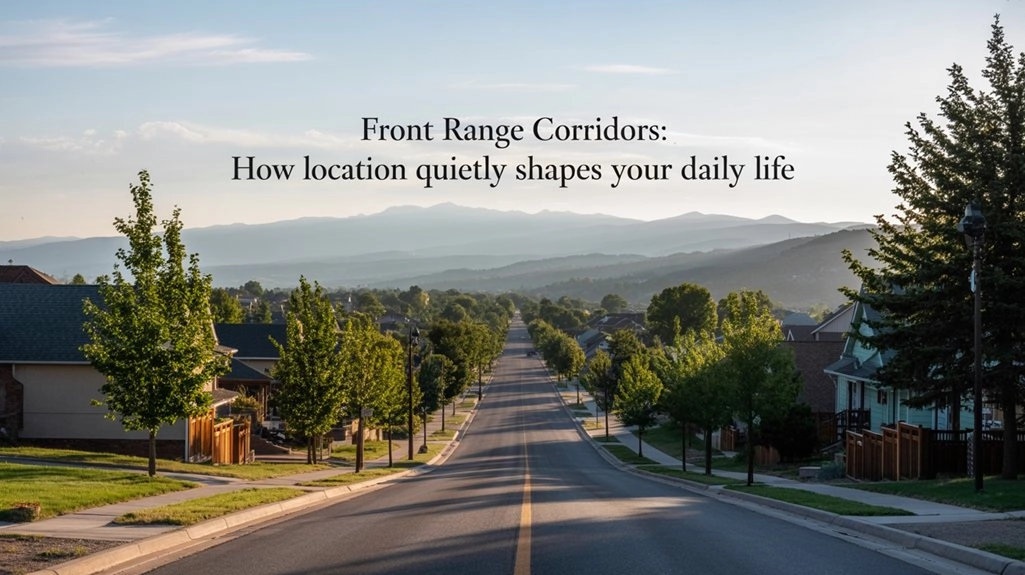
Most people relocating to Colorado start by making a shortlist of city names. That’s natural. But after you’ve lived along the Front Range for a bit, you notice something: daily life is shaped less by the name on your mailing address and more by where you sit in the metro—how you move on I-25, which routes you rely on (US-36, C-470, I-70), where your errands naturally happen, how the wind hits yo
_0001.jpg)
A neighborhood tests as "easy" when three ordinary stops, groceries, a pharmacy and one extra errand, fit into a loop of about 12 minutes without backtracking through the same intersection twice. That single test predicts more about daily satisfaction with a Front Range home than square footage or a listing photo ever does.It is not raw distance. It measures how many turns, lights and route choic