New - 30 Mins Ago

.jpg)


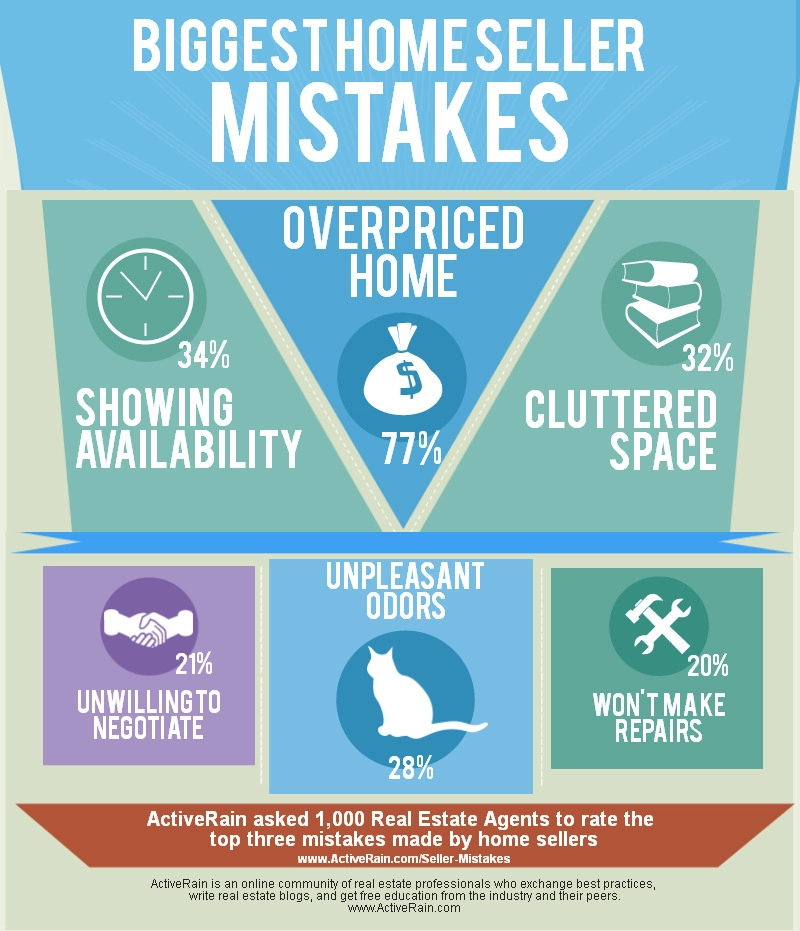
The ten mistakes that cost Colorado sellers the most money are the same ten the Kenna Real Estate Group has watched since 2002, and every one is inside the seller's control. Each is priced below on a $600,000 Denver metro home with a $400,000 mortgage, where carrying the home runs about $3,000 to $4,500 a month in payment, taxes, insurance and utilities. That monthly number is the hidden cost behind half of the list: every mistake that adds 30 days adds a mortgage payment.
The process the mistakes interrupt is laid out in how to sell a home in Colorado, start to finish.
A home comped at $600,000 and listed at $630,000 gets the first-week showings and no offers. The cut to $599,000 lands on day 14 or later with buyers who saw the higher number, and the offer that finally comes after 45 days on market sits 2% to 3% under list because the buyer knows the home has sat. Cost: $12,000 to $25,000 on the price, plus $3,000 to $4,500 for each extra month. The fix is the price band from closed sales in the Smart Pricing Report and the day-10 rule in the first 14 days on market for a Denver home.
"24-hour notice, no showings before 10 or after 6, no weekends" turns a 12-showing first week into a 5-showing first week. Fewer showings mean one offer instead of two, and one offer negotiates from the buyer's side. Cost: the second offer that never arrived, worth $5,000 to $15,000 in price and terms on a $600,000 home, and a second week on market. Lockbox, 8 a.m. to 8 p.m., one hour of notice, seller and pets out.
The buyer's inspector orders all three at day 8 of the contract. A sewer line break on a pre-1980 Denver, Littleton or Arvada home costs $5,000 to $25,000 to repair; found under contract it becomes a repair demand at the buyer's contractor's price, or a terminated contract and a relist marked "back on market". Radon at or above 4.0 pCi/L costs $800 to $2,500 to mitigate before listing and a $3,000 to $5,000 credit demand after. Cost: $2,000 to $10,000 more than the same repair done first, plus three to five weeks when the contract dies. The three tests total $300 to $550 in the pre-listing week for Colorado sellers.
Buyers' agents write "pet odor" in feedback and never say it to the seller. A home that smells at the door loses the showing in two minutes and the buyer prices a new carpet and pad ($4,000 to $8,000) into any offer they do make. Cost: $5,000 to $10,000 in price, against $300 to $800 for enzyme and ozone treatment, or $1,500 to $4,000 to fully clear a smoked-in home. The room-by-room fix is in why a spotless home sells faster in Colorado.
Buyers price space. A home with all its furniture, full closets and a gallery of personal photos shows 10% smaller than the same home half-emptied, and the photos show it too. Cost: $5,000 to $10,000 in perceived size on a $600,000 home, against $100 to $250 a month for a storage unit and a free donation pickup. The full under-$2,000 prep list is in the under-$2,000 prep list for Front Range sellers.
The Colorado contract gives the buyer an Inspection Objection Deadline and both sides an Inspection Resolution Deadline; no signed resolution and the contract ends with the buyer's earnest money returned. A seller who answers a $2,500 repair list with "no" on principle gets a terminated contract, a relist as back on market, and the next buyer's inspector finding the same items. Cost: three to five weeks of carrying ($3,000 to $7,000) plus a smaller buyer pool the second time, over a $2,500 credit. The rule: answer every item with repair, credit, price or a documented no, inside 48 hours.
A $45,000 kitchen in a $600,000 Centennial home returns a fraction of its cost at the closing table, takes three months, and picks finishes the buyer would not have chosen. The same is true of new flooring throughout ($8,000 to $12,000) and a full staging contract on a lived-in home. Cost: $15,000 to $30,000 of improvement money that does not come back, plus the months. What does return is on preparing and adding value before selling: paint, light, clean, and the repairs an inspector will find.
Colorado's Seller's Property Disclosure asks about water intrusion, roof, sewer, radon, structure, mechanical and HOA items, and it asks what the seller knows. A basement that took water in 2023, a roof claim, a sewer backup, a cracked foundation wall on bentonite soil: disclosed, each is a price conversation before the contract; hidden and found later, each is a claim after closing, with the repair plus attorney fees on the seller's side. Cost: the repair the seller would have priced anyway, plus $5,000 and up in legal fees, plus the months. Confirm any specific situation with a Colorado real estate attorney; the disclosure walk-through is in how to sell a house in Colorado.
The Colorado contract sets an Association Documents Deadline. Management companies in the Denver metro take 5 to 15 business days to produce the status letter and documents, and a seller who orders them after the contract is signed pushes closing or hands the buyer an exit. Worse is the special assessment in the minutes that the seller never read: a $6,000 to $15,000 roof or paving assessment on a townhome or condo that the buyer demands the seller pay at the resolution deadline. Cost: a two- to three-week closing delay ($1,500 to $3,500 in carrying) and the assessment itself. Order documents the day the listing contract is signed and read the minutes; the fee side is in the Denver HOA rules and fees guide. Newer Parker, Aurora and Castle Rock subdivisions add the metro district mill levy, which the buyer's lender prices into the payment; state it in the listing.
The Colorado contract has a Property Insurance Termination Deadline, and Front Range insurers now quote roofs by age. A roof past 15 to 20 years draws actual-cash-value coverage or a decline, and the buyer terminates at that deadline through no fault of their own. A new asphalt roof on a 2,000 square foot Denver metro home runs $12,000 to $25,000; hail damage inside the claim window from any storm between May and September replaces it for the deductible ($1,500 to $5,000). Cost: a terminated contract plus a $12,000 to $25,000 buyer demand, against a free roofer's inspection and a claim filed before listing. What the buyer's inspector checks is in the roof report for Colorado homes.
| Mistake | What it costs on a $600,000 home | What the fix costs |
|---|---|---|
| Overpricing | $12,000 to $25,000 plus a month or more of carrying | $0 (Smart Pricing Report) |
| Hard to show | $5,000 to $15,000 and a week | $0 (lockbox and pet boarding) |
| No pre-listing tests | $2,000 to $10,000 more, or a dead contract | $300 to $550 |
| Odors | $5,000 to $10,000 | $300 to $4,000 |
| Clutter | $5,000 to $10,000 | $100 to $250 a month |
| Inspection standoff | $3,000 to $7,000 and three to five weeks | A $2,500 credit |
| Over-improving | $15,000 to $30,000 unrecovered | $2,000 of paint, light and clean |
| Incomplete disclosure | Repair plus $5,000 and up in legal fees | $0 (an honest form) |
| Late HOA documents | $1,500 to $3,500 plus any assessment | The manager's document fee |
| Old roof, no plan | $12,000 to $25,000 and a dead contract | $0 to a $5,000 deductible |
Sellers lose proceeds to wire fraud when an emailed "updated" wire instruction arrives from an address that looks like the title company's. The title company takes the seller's account details in person or by a call the seller places to a known number, and never changes them by email. A seller who wires or confirms by reply to an email has no recourse. Cost: the entire net proceeds. The Colorado version of the scam is in real estate and identity theft in Colorado.
Every mistake on the list is prevented before the listing goes live: the price from closed sales, the three tests, the clean and the storage unit, the disclosure filled from the test results, the HOA order and the roofer's letter on day 1, and showing rules written into the listing. What buyers respond to once it is live is in what helps Colorado listings sell faster right now, and the whole schedule for a seller on a deadline is in the 30-day plan to sell a Colorado house fast.
The Kenna Real Estate Group at Keller Williams DTC walks every Colorado seller through this list before the listing contract is signed, prices the home from closed sales, and runs the tests, the documents and the showing rules so none of the ten reach the closing table. Call or text 303-955-4220. A live person answers. Not a robot, not a phone tree. You can also search every home for sale in Colorado to see the competition in your price band.
Questions about any home in Colorado? Call or text 303-955-4220. A live person answers.
Overpricing. On a $600,000 Denver metro home, listing at $630,000 leads to a day-14 cut and an offer 2% to 3% under list after 45 days: $12,000 to $25,000 plus $3,000 to $4,500 for each extra month of carrying.
About $3,000 to $4,500 a month on a $600,000 home with a $400,000 mortgage, counting payment, property tax, insurance and utilities. Every mistake that adds 30 days adds that amount.
Without a signed Inspection Resolution by its deadline the contract ends and the buyer's earnest money goes back. The home relists as back on market and the next inspector finds the same items. Answer every item with repair, credit, price or a documented no inside 48 hours.
No, but you need a plan for the buyer's Property Insurance Termination Deadline. A free roofer's inspection and a hail claim inside the window replace the roof for the deductible; without one, a roof past 15 to 20 years draws declines and a $12,000 to $25,000 demand.
A pending $6,000 to $15,000 assessment found in the HOA minutes becomes a buyer demand at the resolution deadline. Order the documents the day the listing is signed and read the minutes before a buyer does.
No. It returns a fraction of its cost, takes three months, and chooses finishes the buyer did not pick. Paint, light, clean and inspector repairs for about $2,000 return more.
By acting on an emailed change to wire instructions. Give account details to the title company in person or by a call you place to a known number, and never confirm a change by replying to an email.