.jpg)


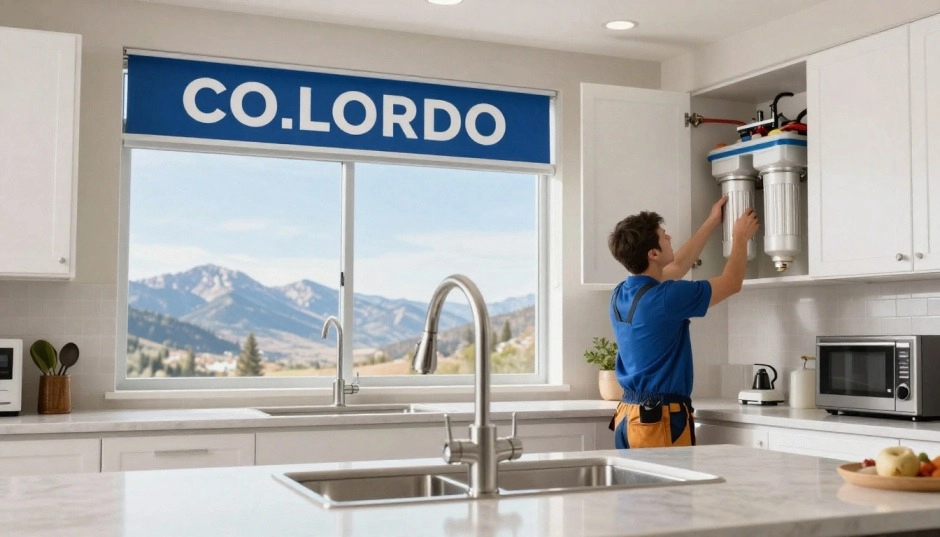
Front Range tap water runs hard enough, 7 to 15 grains per gallon in most municipal systems, to scale a water heater, dull a dishwasher's performance, and leave spots on every glass surface in the home within a year of a fresh install. A softener or filtration system is a documented, priced fix, not a lifestyle upgrade.
Why Colorado Tap Water Is So Hard
Front Range water sources draw from mountain snowmelt and groundwater that passes through mineral-rich rock, picking up calcium and magnesium along the way. Denver Water, Aurora Water, and most other Front Range municipal utilities deliver water in the moderately hard to hard range; none of the major metro utilities soften water at the treatment plant, which leaves conditioning up to the homeowner.
What Hard Water Does to Colorado Plumbing and Appliances
Mineral scale builds up inside pipe walls, water heater tanks, and appliance components, reducing flow and efficiency over time. A tank water heater in hard water without maintenance commonly needs replacement at 8 to 10 years instead of the 12 to 15 years a maintained or softened-water unit reaches. Dishwashers and washing machines show the same pattern: reduced performance and a shorter working life.
Signs Hard Water Is Affecting a Colorado Home
- White or chalky spots on glassware, faucets, and shower doors that reappear soon after cleaning.
- Reduced water pressure at fixtures as mineral scale narrows the inside diameter of supply lines over time.
- Soap and detergent that lathers poorly, leaving skin and hair feeling filmed rather than clean.
- Faster wear on faucet cartridges and showerheads, needing replacement well ahead of their rated life.
- A water heater that takes longer to reach temperature as scale builds up on the heating element or burner.
Water Softener vs. Water Filter: The Difference
A water softener uses an ion-exchange resin to remove the calcium and magnesium that cause hardness, protecting pipes and appliances. A water filter, by contrast, targets taste, odor, chlorine, and sediment but does not address hardness. Many Front Range homes install both: a softener at the main line and a filter at the kitchen tap for drinking water quality.
What a Whole-Home Water Softener Costs on the Front Range
A whole-home softener runs $1,500 to $4,000 installed, depending on system size and water hardness level, plus $10 to $25 a month for salt. A plumbing business quote is a paid partner of this site, and you are free to get quotes from any licensed Colorado plumber for installation.
What a Whole-Home Filtration System Costs in the Denver Metro
A whole-home carbon or sediment filtration system runs $800 to $2,500 installed, and a reverse-osmosis system at the kitchen sink for drinking water adds $300 to $700. A combined softener-and-filtration setup covers both the mineral scale problem and taste or chlorine concerns in one project.
Radon in Water on a Private Colorado Well
A home on a private well outside Denver Water's or Aurora Water's municipal system can carry a second radon source: radon dissolved in groundwater releases into the air during a shower or when a dishwasher runs. A radon-in-water test through a certified lab runs $50 to $100. When the result comes back elevated, an aeration or granular activated carbon system treats it at the point the water enters the home.
Do Denver Water and Aurora Water Already Treat for Hardness
No. Front Range municipal utilities treat for clarity and chlorination but do not soften water at the treatment plant. Hardness stays consistent across a service area, so a homeowner in Denver, Aurora, or a surrounding suburb needs a point-of-entry softener to change hardness at the household level.
How Homeowners Can Improve Water Quality
- Install a whole-home softener to protect pipes, water heaters, and appliances from scale buildup.
- Add a carbon filter at the point of entry or the kitchen tap for taste and chlorine reduction; a softer water supply also makes filter cartridges last longer between changes.
- Test well water annually for bacteria, nitrates, and radon if the home is not on a municipal system.
- Flush the water heater yearly to clear sediment even after a softener is installed, since some mineral content still passes through.
Salt-Based vs. Salt-Free Water Conditioners in Colorado
A traditional salt-based softener removes hardness minerals outright and is the more effective choice for Front Range water in the 7-to-15 grains per gallon range. A salt-free conditioner alters mineral structure to reduce scale buildup without removing hardness from the water, which appeals to a homeowner on a low-sodium diet or a septic system sensitive to salt discharge, but it performs less consistently at the higher end of Colorado's hardness range than a full softener does.
Does Denver Home Buying Involve a Water Quality Check
A general home inspection does not test water quality directly; a buyer on well water commonly orders a separate water test during the inspection window, and a buyer on municipal water can ask about existing softener or filtration equipment and its service history. Both belong in the same conversation as the rest of the plumbing system, covered in the Colorado Home Buyer's Guide.
City Water vs. Well Water Treatment Cost in Colorado
| Water Source | Typical Treatment Need | Typical Cost |
|---|---|---|
| Municipal (Denver Water, Aurora Water, etc.) | Softener for hardness; optional filter for taste | $1,500 to $4,000 softener; $800 to $2,500 filtration |
| Private well | Softener, filtration, plus annual bacteria/nitrate/radon testing | $1,500 to $5,000 combined system; $50 to $150 annual testing |
How to Test Water Hardness in a Colorado Home
A drugstore test strip, $10 to $20 for a multi-use kit, gives a rough hardness reading in grains per gallon within a minute and is enough to confirm whether a home falls in the Front Range's typical 7-to-15 range. A licensed plumber's lab-grade test, run as part of a softener quote, gives an exact number along with iron, pH, and sediment readings that a homeowner test strip does not capture.
Does a Water Softener Need a Permit in Colorado
Most Front Range jurisdictions do not require a separate permit for a standard water softener installation, since it does not alter the home's main plumbing configuration, though a licensed plumber pulls one when the install involves rerouting supply lines. Check with the local building department before installation if the project expands beyond a straightforward softener swap.
Does Documented Water Treatment Affect a Colorado Home's Value
A documented softener and filtration system with service records reads as a maintained home to a buyer, particularly one comparing homes across different Front Range water hardness levels. The Kenna Real Estate Group's Smart Pricing Report factors water treatment equipment into a home's list price alongside the rest of the plumbing system's condition.
Where to go next
- How to Prepare Plumbing Before Selling Your Denver Home
- Denver Plumbing & Heating Company Shares Inspection Tips
- Essential Home Maintenance Tips for Colorado Homeowners
- Preparing and adding value before you sell
- The Colorado Home Buyer's Guide
- Search every home for sale in Colorado
Talk to the Kenna Real Estate Group
The Kenna Real Estate Group factors water treatment equipment and hard-water wear into every Front Range pricing conversation, for a seller documenting upgrades and a buyer comparing homes on different water systems. Call or text 303-955-4220. A live person answers. Not a robot, not a phone tree. Ready to compare homes on today's market? Search every home for sale in Colorado.
Homes for sale that match this post
Guides
Questions about any home in Colorado? Call or text 303-955-4220. A live person answers.