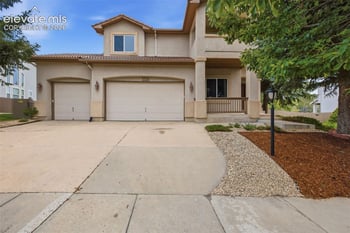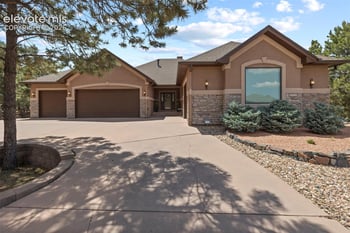
$1,150,000
Active
5
Beds
5
Baths
4524
Sqft
0.93
Acres
18330 Bakers Farm Rd, Colorado Springs, CO 80908
MLS#: 3216048
.jpg)



A Colorado home needs an indoor air quality system for three reasons a coastal or humid-climate home does not face the same way: wildfire smoke season from roughly June through September, indoor air that runs drier than most furnace filters were designed for, and radon, since most of the state sits in the EPA's highest radon potential zone. The right system depends on which of those three problems your home actually has, not on buying the most filtration available.
Yes. Wildfire smoke carries fine particulate matter (PM2.5) small enough to work through standard window and door seals and through a home's normal air exchange. Front Range smoke events, driven by fires anywhere in the state or drifting in from neighboring states, can push outdoor air quality into unhealthy ranges for days at a time. A HEPA-rated portable unit or a high-MERV filter (MERV 13 or higher) in the home's HVAC system meaningfully cuts indoor particulate levels during those weeks; a standard MERV 8 furnace filter does not.
| MERV rating | What it filters | Fits most residential HVAC systems? |
|---|---|---|
| MERV 8 | Dust, pollen, larger particles | Yes, standard |
| MERV 11 to 13 | Smoke particulate, smaller allergens, pet dander | Check static pressure with an HVAC tech first |
| MERV 14+ | Fine smoke and combustion particles | Needs a dedicated system, not a drop-in filter, in most homes |
Jumping straight to the highest-rated filter without checking your furnace's static pressure rating can restrict airflow and shorten the blower motor's life; an HVAC technician can confirm what your system supports before you buy.
Yes, in two ways. Low humidity, commonly under 20% indoors during winter heating season, dries sinuses and skin and makes airborne dust and particulate feel worse even at normal levels, which is why many Colorado homes pair filtration with a whole-house humidifier tied into the HVAC system. Dry air also means a home's natural air exchange through seals and gaps is lower than in a humid climate, which is good for keeping smoke out but means stale indoor air, cooking byproducts, and off-gassing from new materials can build up without mechanical ventilation.
Most of Colorado sits in the EPA's highest radon potential zone, and the Colorado Department of Public Health and Environment recommends every home be tested, regardless of age or construction type, since radon comes from the ground beneath the house, not the building itself. A radon test is standard practice during a Colorado home purchase; if levels come back high, a sub-slab depressurization mitigation system is the typical fix and is separate from a general indoor air quality or filtration system.
Facilities teams evaluating IAQ for office and commercial buildings ask three questions: does the building perform measurably better, does it help with tenant or occupant retention, and can the choice be documented if someone asks later. The same discipline applies to a home purchase or sale: a documented filtration upgrade, radon test result, or ventilation system is something a buyer can verify, not just take on faith during a showing. Ask a Colorado HVAC contractor to document exactly what filtration and monitoring equipment they installed and when, the same way a commercial building manager would, before you list or close.
Yes, if the work involves new ductwork, an HRV/ERV tied into the home's mechanical system, or electrical work for a UV-C unit. Denver, Aurora, Lakewood, Littleton, Colorado Springs, and Fort Collins each require a mechanical or electrical permit for this kind of installation, pulled by the HVAC contractor doing the work. A simple filter upgrade or portable HEPA unit needs no permit.
A documented radon mitigation system, a recently replaced high-MERV filtration setup, or an HRV/ERV in a newer home is a selling point buyers increasingly ask about directly, especially after a smoky summer. It won't carry the same dollar-for-dollar return as a kitchen or bath remodel, but it removes a question mark from a buyer's inspection process. See our guide to preparing and adding value before selling for how to document mechanical upgrades for a listing.
Start with a radon test, since it's inexpensive and answers a question every Colorado home has. Then evaluate your existing HVAC system's filter capacity before buying add-on equipment; our guide to Colorado heating and cooling standards is a useful starting point for that evaluation. Ask for the printable indoor air quality checklist in the form below and we email it the same day.
Whether you're testing for radon before you list or asking about a home's HVAC and filtration setup before you buy, the Kenna Real Estate Group can point you to what actually matters in a Colorado inspection. Call or text 303-955-4220. A live person answers. Not a robot, not a phone tree. Or search every home for sale in Colorado right now.
Questions about any home in Colorado? Call or text 303-955-4220. A live person answers.
Yes. Fine particulate matter (PM2.5) works through standard seals and normal air exchange. A high-MERV HVAC filter or HEPA portable unit meaningfully reduces it; a standard filter does not.
It's not legally required statewide, but it's standard practice, since most of Colorado sits in the EPA's highest radon potential zone and the Colorado Department of Public Health and Environment recommends testing every home.
It intensifies how dust and particulate feel and commonly prompts pairing filtration with a whole-house humidifier, while also lowering a home's natural air exchange, which is why some newer homes add mechanical ventilation.
MERV 13 or higher meaningfully reduces smoke particulate, but check your furnace's static pressure rating with an HVAC technician before installing one; it can restrict airflow in some systems.
Yes, if it involves new ductwork, electrical work, or an HRV/ERV tied into the mechanical system. A simple filter swap or portable HEPA unit needs no permit.
It's more common in newer, tightly sealed construction. Older, leakier homes already exchange more air naturally, though filtration still matters during smoke season regardless of the home's age.